
Dacia announces expansion with four electric vehicles and urban model for less than US$21,000 By Jeronimo Santos
5 min read
 |
Dacia, the Romanian automotive brand part of Grupo Renault, has revealed an ambitious future plan, known as the “futuREady” program, which aims to accelerate the electrification of its vehicle range and significantly expand its presence in the European market. The automaker’s strategy includes the launch of four new electric vehicles by 2030, in addition to the progressive electrification of its entire portfolio, reinforcing its commitment to sustainable and accessible mobility. The initiative is accompanied by the confirmation of an entry-level urban electric model, which promises to revolutionize the segment by being offered at a price below 21 thousand dollars, seeking to democratize access to zero-emission technology for a wider audience.
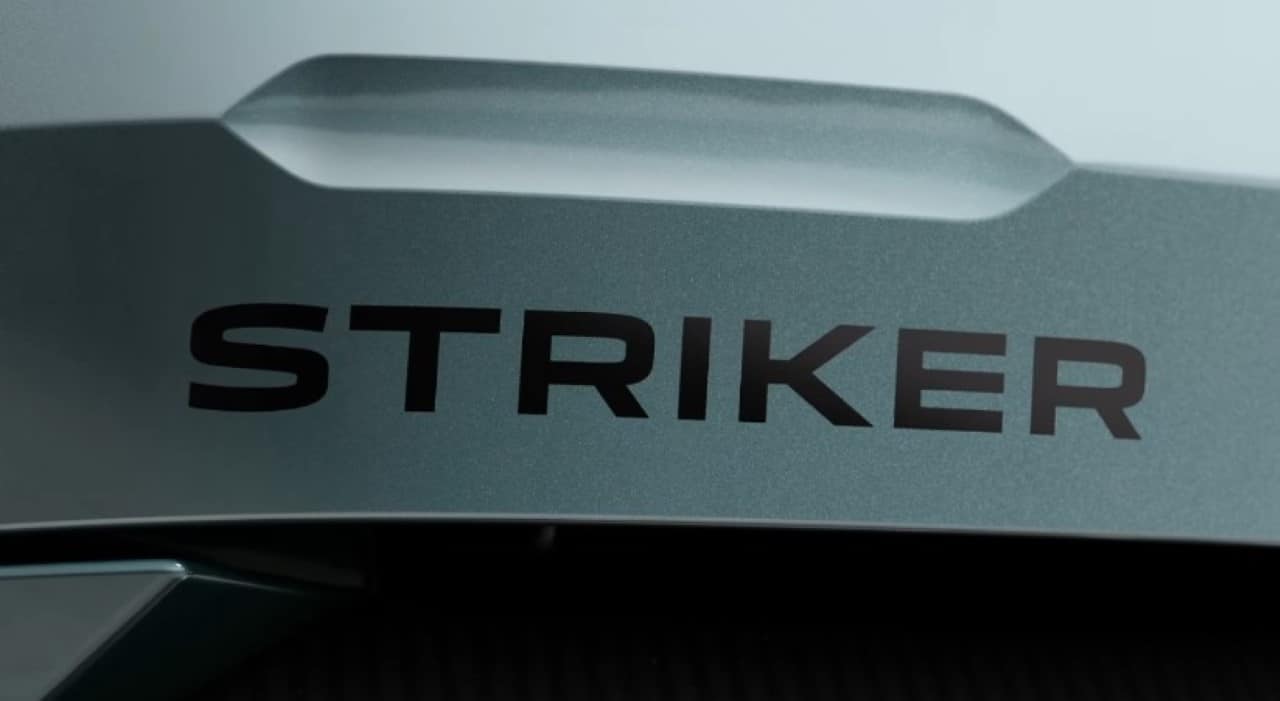
This strategic move also includes the strengthening of Dacia in the compact segment, with the introduction of new models such as the Striker crossover station wagon, which will join the already well-known Bigster SUV. The company also remains focused on the next generation of its best-seller, the Sandero, a vehicle that consistently leads private customer sales at Europa. Este plan demonstrates a comprehensive vision for the future, reconciling innovation and accessibility, hallmarks of Dacia.
The expansion of the line is not just limited to electric vehicles, but also the diversification of engines and bodies. With the Striker and Bigster, the Dacia seeks to meet the growing demands for versatile and robust vehicles, while maintaining the value proposition that characterizes it. The brand plans to ensure that its future launches continue to be benchmarks in cost-benefit, even in the midst of the energy transition.
New urban and affordable electric vehicle
One of the most anticipated points of the Dacia plan is the launch of a new entry-level urban electric vehicle, scheduled for this year. With an estimated price of under €18,000, or approximately US$21,000, this model is positioned to be one of the most affordable electric cars on the market. Ele was designed to coexist with the Dacia Spring, which is currently manufactured at China, despite both having a similar size and positioning in the market.
The development of the vehicle, which has not yet had its official name released, took place over a remarkably short period of less than 16 months. Ele will use the RGEV architecture, which is a new designation for the AmpR Small platform, already used in the Renault Twingo E-Tech. Production of the new electric model is scheduled to take place at the Dacia factory located in Novo Mesto, at Eslovênia, which underlines the company’s local integration strategy.
The arrival of this vehicle represents a significant step for Dacia in the democratization of electric mobility, offering a viable and economical option for consumers looking for a car for daily use in urban environments. The brand aims to attract new customers to the electric vehicle segment by providing a low-cost alternative without compromising functionality and practical design.
The future of Sandero and the expansion of the line
The Dacia Sandero has been a pillar of success for the brand, establishing itself as the best-selling passenger vehicle in the the dynamic life cycle of the model. However, the automaker is already dedicating efforts to developing its successor, with rumors pointing to a launch in 2028.
The next generation of the Sandero will be presented with a range of multi-energy engines, in line with the Dacia’s electrification strategy. Isso implies the availability of hybrid and fully electric variants, which will complement the combustion engine option, compatible with gasoline and Gás Liquefeito of Petróleo (LPG). The Essa approach aims to offer flexibility to consumers and maintain the Sandero as a reference in cost-benefit in the subcompact segment.
In addition to the Sandero, Dacia did not provide specific details about the other three electric vehicle launches scheduled for 2030. Outra possibility that has generated discussions in the automotive sector is a production version of the Hipster concept, which could explore an even more compact segment, complementing the brand’s urban vehicle offering.
The Striker crossover station wagon, in turn, reinforces the presence of the Dacia in the compact and utility vehicle segment. Este model, which should be launched with a competitive price, below 25 thousand euros, will also offer hybrid and LPG engines, consolidating the brand’s strategy of offering low acquisition and maintenance cost options, aligned with the needs of different consumer profiles. The diversification of the line reflects Dacia’s ability to adapt to market trends and customer expectations.
Sustainability and cost efficiency
Dacia has demonstrated remarkable resilience and evolution over the last few decades, transforming itself from a company with a regional focus to a highly relevant European brand. Desde its relaunch in 2004, under the management of Grupo Renault, the Romanian automaker surpassed the mark of 10 million units sold last year, a milestone that attests to its consistent growth and the acceptance of its products by the public.
Expanding electrification across its vehicle lineup is a central component for Dacia to achieve its future sales projections. The company estimates that electrified vehicles, including hybrids and all-electrics, will represent approximately 67% of its new car sales, a considerable increase from the current approximately 25%. Essa ambitious target is reinforced by the continued offer of LPG-powered models, which are fundamental to its strategy focused on costs and to serve specific markets.
Customer loyalty and brand growth
One of the pillars of Dacia’s success lies in its exceptional cost efficiency. The automaker has a business model that gives it a 15% advantage over the market average. Essa competitive advantage is attributed to several factors, including local integration of components, high utilization rates of its factories and an optimized distribution model, which operates at less than half the average cost of competitors in Europa Ocidental.
The loyalty of its customer base is another crucial factor in Dacia’s continued growth. Estatísticas indicate that more than 70% of buyers of Dacia and Europa vehicles remain loyal to the brand in their next purchases, while another 10% choose to migrate to Renault vehicles, demonstrating the strength of the Grupo. Além In addition, approximately 65% of customers purchasing a Dacia for the first time come from outside the Grupo Renault, which highlights the brand’s ability to attract new consumers and expand its market penetration.
Electrified sales goals and focus on LPG
The trajectory of the Dacia illustrates a remarkable capacity for adaptation and innovation, transforming it into an essential player in the European automotive scene. With the intensification of electrification across its product range, the automaker foresees a substantial change in its sales profile. The projection is that electrified vehicles will account for around 67% of new car sales, significantly exceeding the 25% mark currently observed.



