
Induction cookers are sold out in stores in India due to a crisis in the supply of cooking gas

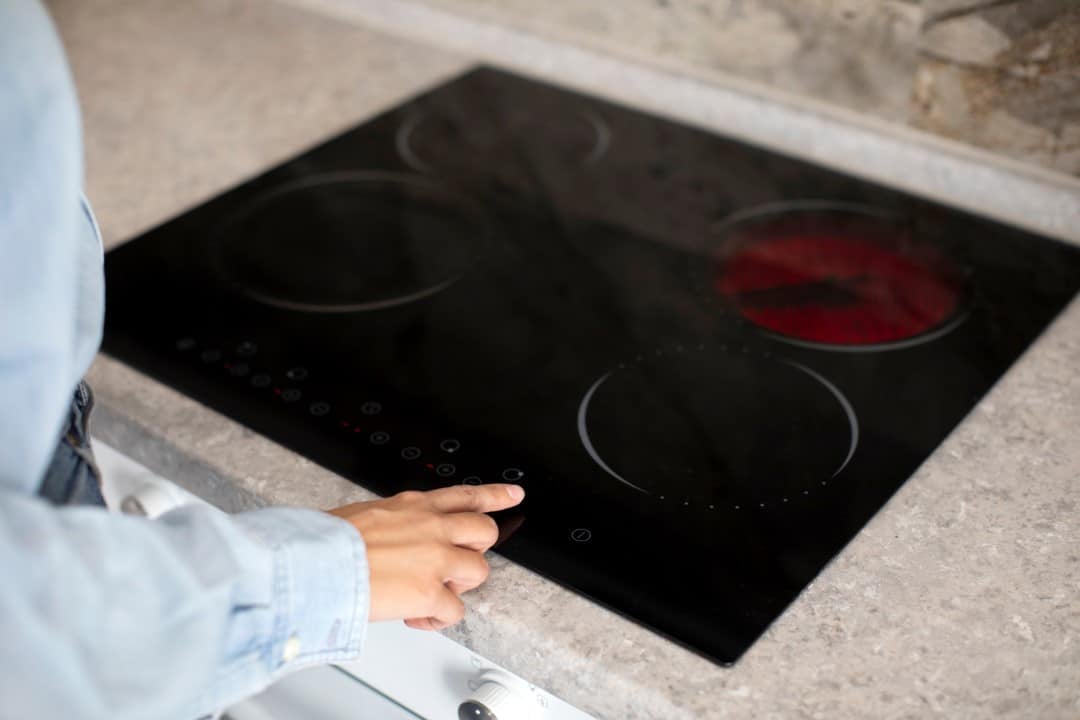
The crisis in the supply of liquefied petroleum gas (LPG) in Índia has sparked a rush for electric cooking alternatives. Fogões induction models recorded a significant increase in sales on online platforms and physical retailers, with many models going out of stock within hours. The situation arises from interruptions in global supply linked to geopolitical tensions in the Oriente Médio, which affect Indian imports of the fuel.
Millions of homes and commercial establishments depend on LPG to prepare food every day. With uncertainty about the availability of cylinders, consumers in cities such as Delhi-NCR, Mumbai and Bengaluru sought immediate options. Varejistas observed that many buyers purchase more than one unit, aiming to maintain reserves at home.
Sudden increase in sales of electrical appliances
E-commerce platforms have seen unprecedented spikes in orders for induction cooktops. Sales grew up to 30 times compared to normal days in just two days. Outros equipment, such as electric pressure cookers and kettles, also increased by up to four times.
Physical stores felt the same impact. Clientes attended in greater numbers to purchase the products directly. Alguns establishments are already facing difficulties in replenishing stock quickly.
Statements from major retailers about the phenomenon
Executives from chains specializing in electronics highlighted the speed of change in consumer behavior. Demand for induction cooktops tripled on a daily average. Clientes buy multiple units, which indicates concern about the continuity of gas supply.
Representatives of online marketplaces confirmed that demand is concentrated in large urban centers. Fast delivery facilitated urgent acquisitions in several regions.
Reasons for the shortage of LPG cylinders
The world’s second largest importer of LPG faces disruptions caused by conflicts in the Oriente Médio region. The country largely depends on external supplies, with propane and butane coming mostly from that area. Refinarias locations received guidance to maximize internal fuel production.
Emergency measures were adopted to prioritize domestic use. The government directed stocks to essential sectors and limited commercial supplies in some cases. Preços rose in parallel markets, with reports of a doubling in value in some locations.
Electric alternatives gain space in Indian kitchens
Induction cookers attract with their energy efficiency and speed of preparation. Eles convert electricity directly into heat in the pan, reducing losses. Muitos consumers see technology as a practical solution to overcome dependence on gas.
Other electrical appliances complement the use, such as oil-free fryers and multifunctional cookers. The trend reflects rapid adaptation to current supply conditions.
Impact on commercial establishments
Restaurants and hotels face restrictions on the use of commercial gas. Alguns limited menus or resorted to electrical equipment to maintain operations. The transition helps avoid total shutdowns in kitchens.
Appliance retailers adjust inventories to meet growing demand. Empresas manufacturers increase production to supply the market.
Preventative purchasing trend
Consumers make advance purchases to avoid future shortages. The practice spread quickly after the first reports of shortages. Plataformas express delivery companies saw spikes in orders for products related to electric cooking.
The combination of factors such as high cost and supply uncertainty drives change. Famílias seek greater autonomy in preparing meals.
Challenges for stock replenishment
Some specific cooktop models are already unavailable on several platforms. Varejistas work to replace items, but the sales pace exceeds the immediate distribution capacity. The situation remains dynamic amid the crisis.
The phenomenon highlights the vulnerability of the country’s cooking energy supply system.



