
Google Maps unleashes generative AI for smarter navigation, personalized travel planning, and enhanced visual guidance
Google Maps is poised for a significant transformation with the introduction of new artificial intelligence-powered features, fundamentally reshaping how users interact with GPS navigation. This technological leap aims to provide a more intuitive and personalized travel experience, moving beyond mere route directions to offer comprehensive assistance.
These innovations, spearheaded by functionalities like “Ask Maps” and advanced visual enhancements, promise to make planning and executing journeys remarkably simpler and more insightful. The integration of AI aims to predict user needs and offer proactive guidance, setting a new standard for digital mapping services.
The company’s announcement details a shift towards a conversational and visually rich interface, empowering users with unprecedented control and understanding of their surroundings. This marks a pivotal moment in how mapping applications serve as essential tools for daily commutes and ambitious explorations alike.
“Ask Maps” Transforms Trip Planning
A cornerstone of the new AI suite is the “Ask Maps” feature, designed to answer complex inquiries related to navigation and trip planning. This tool goes beyond basic route suggestions, allowing users to pose intricate questions and receive detailed, context-aware responses.
For instance, travelers can ask, “I’m heading to the Grand Canyon; any recommendations for stops along the way?” The AI will then leverage its vast database to suggest points of interest, rest areas, or scenic detours, complete with an explanation of potential pros and cons for any route adjustments.
Advanced Visual Navigation Enhancements
Beyond conversational AI, Google Maps is rolling out substantial visual upgrades to its mobile application. Users will experience enhanced 3D visualizations that intricately display buildings, overpasses, and the surrounding terrain, offering a more realistic and comprehensible view of their environment.
This visual fidelity is complemented by an integration with Gemini, Google’s advanced AI language model. Gemini will provide highly precise, real-time instructions regarding lane guidance, identifying crosswalks, traffic lights, and even stop signs, dramatically improving in-car navigation safety and clarity.
Personalized Journeys and Local Insights
The “Ask Maps” feature is designed to delve deeper into the user’s journey, providing localized insights that were previously difficult to access. It can offer estimated arrival times, insider tips from those familiar with specific locales, directions to hidden trails, or even advice on how to secure free admission to attractions.
This intelligent assistant also simplifies practical aspects of travel, enabling users to reserve tables at restaurants directly within the application. Additionally, it streamlines the process of sharing locations and travel plans with friends, fostering a more connected and social navigation experience.

The system constantly updates its information about the world, ensuring that the recommendations and guidance provided are always current and relevant. This dynamic adaptability ensures that users receive the most accurate and useful information at any given moment.
By explaining the advantages and disadvantages of suggested detours, the application empowers users to make informed decisions about their routes. This transparency builds trust and gives individuals greater agency over their travel choices, optimizing their journeys according to personal preferences and priorities.
Gemini’s Role in Precision Guidance
The integration of Gemini is pivotal for the granular detail now available in navigation instructions. By analyzing imagery from Street View, which offers panoramic 360-degree views at street level, and combining it with high-resolution aerial photos, Gemini generates remarkably precise guidance. This fusion of visual data allows the system to identify and articulate specific road features—such as which lane to be in for an upcoming turn or the exact location of a crosswalk—with unparalleled accuracy. The goal is to minimize driver confusion and enhance overall road awareness, especially in complex urban environments, transforming the driving experience into a more relaxed and confident one through intelligent visual and verbal cues.
Rollout Schedule and Global Ambition
The initial phase of these groundbreaking AI features began implementation in the United States. This marks the start of a broader deployment strategy aimed at making these innovations widely accessible.
In the coming months, the availability of these advanced tools will expand significantly. Compatible devices and platforms include iOS and Android mobile devices, CarPlay, Android Auto, and vehicles with integrated Google systems.
This phased rollout ensures a stable and robust expansion of the technology, gradually reaching a global audience. The company aims to integrate these AI capabilities seamlessly into diverse user ecosystems.
While the initial focus is on the U.S. market, specific dates for the technology’s arrival in other regions, such as Brazil, have not yet been disclosed. Users worldwide anticipate the global availability of these transformative features.
Future of GPS Navigation
The introduction of these AI-driven features in Google Maps signals a profound shift in the utility of GPS navigation, evolving from a simple directional tool into a sophisticated travel companion. This evolution promises to redefine how individuals explore, commute, and connect with the world around them.
Veja Tambem em Últimas Notícias

Novas diretrizes do bolsa família: governo federal reforça apoio social e qualificação
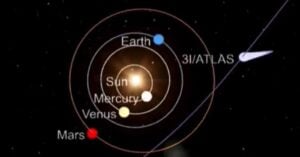
NASA revela novas informações sobre o cometa interestelar 3I/Atlas e sua trajetória única

Deadly protests erupt in western Kenya over proposed US-backed Ebola quarantine center
Hezbollah’s drone arsenal significantly reshapes Israel’s military strategy in Lebanon
Government expenditure on CFMEU administrator security reaches $3.8m, Minister Watt also protected

Governo federal reforça programa de transferência de renda com novas diretrizes para famílias
NASA desvenda segredos do cometa interestelar 3I/Atlas, fascinando a comunidade científica
Myanmar president’s india visit bolsters diplomatic ties amid isolation challenges
Deadly Russian missile and drone attacks hit Kyiv and Dnipro, claiming at least 10 lives
Unearthing pirate legends: Nassau harbor shipwrecks reveal musket balls and burnt hulls
Novo ciclo do Bolsa Família em 2026 detalha regras e benefícios complementares aos cidadãos