Legendary solid aluminum Xbox prototype reappears at GDC, revealing early ambition

One of the most curious and symbolically powerful artifacts in video game history, the original Xbox prototype constructed from solid aluminum, made a notable reappearance at the 2026 Game Developers Conference (GDC). The piece, which embodies Microsoft’s pure ambition to enter the console market, was the highlight of a broader company exhibition that charted the evolution of the Xbox brand since its beginnings.
This unique device captivated the attention of visitors, who were able to observe up close the technological audacity and the initial investment that the software giant was willing to make to compete with established players. Sua’s presence at the conference served as a powerful time capsule, connecting the company’s visionary past with its future aspirations in the gaming landscape. The exhibition provided a rare glimpse into how great ideas begin, often in grand and experimental ways, before being refined for mass consumption.
GDC 2026 thus became a stage for reflection on the trajectory of one of the most influential brands in the industry, celebrating both the milestones achieved and the seeds that were planted long before the first console reached consumers’ homes. The robustness of the prototype and the story behind its creation continue to inspire discussions about innovation and hardware design.
The Genesis of a Giant: Presentation in March 2000
The initial concept of the Xbox was presented to the world in March 2000, during that year’s Game Developers Conference, a pivotal moment for the Microsoft. The company was on the verge of a bold move to enter the competitive console market, dominated by the likes of Sony and Nintendo. The presentation was led by emblematic figures such as Bill Gates, then CEO of Microsoft, and Seamus Blackley, one of the “fathers” of Xbox.
On stage, what they revealed wasn’t a retail-ready console, but a statement of intent. The prototype was a huge “X” carved from a single block of aluminum, which shined brightly like a mirror. In the center, a small bright green light subtly highlighted the DirectX brand, which would be the graphical and software backbone of the future console.
Naturally, the engineers at Microsoft came to refer to this concept as the “DirectX Box”, in recognition of the fundamental technology it represented. Essa’s imposing machine not only symbolized the computational power that Microsoft wanted to bring to gaming, but also its seriousness in challenging the standards of the time. Era a clear demonstration that the company wasn’t messing around when entering this new territory.
Engineering details and high cost
Building the prototype in solid aluminum was a strategic decision to make a visual and technological impact. Weighing an impressive 40 pounds, the piece was impractical for mass production, but it served its purpose to impress. Seu manufacturing cost at the time was estimated at US$18,000, a significant amount that, adjusted for inflation, would be equivalent to approximately US$34,158 today.
This decision reflected Microsoft’s priority on demonstrating capability and ambition, rather than focusing on the viability of an immediate commercial product. The goal was to present a bold vision of the future, a device that embodied the robustness and cutting-edge technology that the company wanted to associate with its gaming brand. The grandeur of the prototype contrasted sharply with the final product that would reach stores.
In 2001, when the original The transition from the heavy aluminum prototype to the elegant and functional final design illustrates the complex process of transforming a bold vision into a mass-market accessible product. The contrast between the two designs highlights the engineering and design journey that the Microsoft has taken in just over a year.


Nostalgia and future at GDC 2026
The prototype review at GDC 2026 was a moment of deep nostalgia for many industry veterans and a point of curiosity for new generations of developers and enthusiasts. Posicionado strategically at the beginning of an expository timeline detailing the evolution of console gaming, the “X”-shaped design quickly became a focal point. The exhibition highlighted not only the history, but also the bridge to the future, with mentions of “Project Helix”, the codename for the next generation of Xbox consoles.
Visitors described the experience of reviewing the prototype as a powerful reminder that the path to developing an iconic product rarely begins with something already polished and ready for launch. Instead, the journey is often marked by bold experimentation and concepts that test the limits of the possible. Este aluminum “X” is a testament to the “think big” mentality that propelled Microsoft in its first steps into the gaming industry.
The presence of the prototype at GDC 2026 generated a series of valuable conversations and discussions about:
The legacy of a design that was never produced
Although the aluminum prototype never reached store shelves, its appearance at GDC 2026 generated the exact kind of engagement and reflection that justifies holding such grand events. Vinte and five years after its first reveal, the “X”-shaped box continues to provoke thought about what might have been, had that initial design progressed to mass production.
This unique piece is not just a historical curiosity, but a symbol of the boldness and vision that characterized Microsoft’s entry into the video game sector. Ele represents the embryonic phase of a brand that is now globally recognized, with an ecosystem that expands beyond traditional consoles. The ambition to create a “DirectX Box” for the home has evolved significantly.
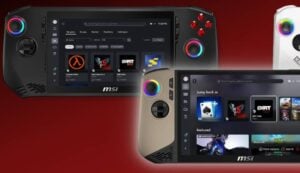
Currently, the legacy of Xbox is manifested across multiple platforms and formats, demonstrating the brand’s ability to adapt and innovate. A notable example is integration with portable devices such as the ASUS ROG Ally, which delivers the Xbox experience in a compact, flexible form factor. Este handheld console, featuring a 7-inch, 1080p, 120Hz touchscreen, and including three months of Xbox Game Pass Premium, allows gamers to access their entire library of PC games and
The trajectory of the Xbox, from its monumental prototype to portable gaming solutions and the continued development of new generations of consoles, such as “Project Helix”, is a narrative of constant evolution. The 18kg prototype is a powerful reminder that behind every successful innovation there is often a grand and sometimes eccentric starting point that paved the way for what came next.
Veja Tambem em Games

Jogos mensais do PlayStation Plus Essential chegam em junho com Grounded e Warhammer 40.000 Darktide

Fortnite Shattered live event acontece nesta sexta com horários por fuso

CEO da Xbox admite erro ao exibir logotipos de PS5 e Switch em evento

MSI lança Claw 8 Ex AI Plus com processador Intel Arc G3 Extreme e bateria de 80Whr

Microsoft revela novos detalhes do Projeto Helix e futuro do Xbox

RPG gratuito TBH Task Bar Hero alcança pico de 143 mil jogadores no Steam e lidera rankings

Veterano da Dragon Age vê product placement como caminho para manter diversidade de gêneros nos games

007 First Light recebe críticas excelentes no PS5 e entra na disputa por Jogo do Ano

The Legend of Zelda: Ocarina of Time revela combo de ataque que ficou escondido por 25 anos

Minecraft anuncia Chaos Cubed com data de lançamento e revela novo bioma Dappled Forest

Onde assistir ao Xbox Games Showcase 2026 e Gears of War E-Day Direct no domingo