Australia grants humanitarian visas to seven Iranian players; team returns without part of the cast By Beatriz
5 min read
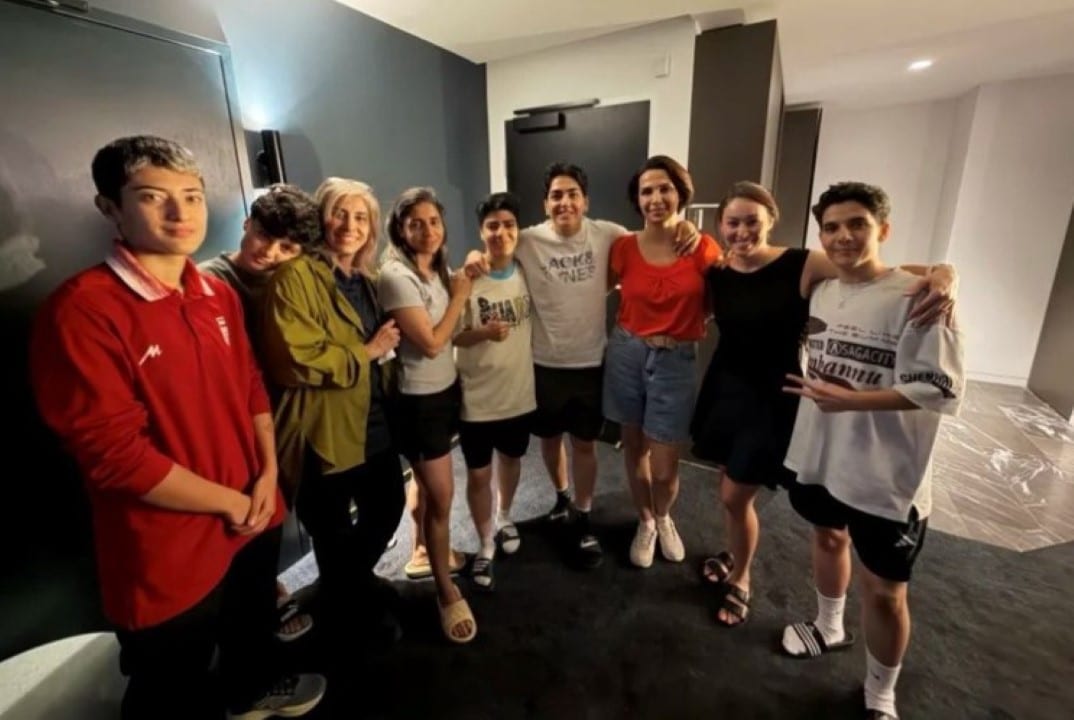 |
Seven members of the Irã women’s football team delegation, including six players and a member of the support team, received humanitarian visas at Austrália. The decision, confirmed by Australian authorities, allows these athletes to remain in the country after requesting asylum, citing fear of persecution upon returning to their home nation.
The outcome occurred after the other members of the Iranian team left Sydney the night before, marking a significant split in the delegation. The situation generated international repercussions and highlighted the complexities faced by athletes from regions with geopolitical instability.
The search for protection is a direct reflection of the tensions faced. The main reasons for requesting asylum and granting humanitarian visas are:
- Fear of persecution and retaliation in Irã.
- Negative repercussions of silent protests during the national anthem.
- The decision not to return to the country after the Asian tournament.
The humanitarian drama and the Australian scenario
The decision of the athletes and the member of the support team not to return to Irã was motivated by a deep fear of persecution. The atmosphere of tension in the country, which players described as “war-torn”, intensified further after a silent protest during the national anthem before the opening match against Coreia of Sul. Este act of defiance caught the attention of Iranian radical sectors, leading a presenter on a state channel to describe them as “traitors in times of war”, which increased the risks of retaliation for those involved.
Austrália, aware of the delicate geopolitical situation and the possibility of asylum requests from athletes or delegations from countries in conflict, had already implemented security checks even before the start of the tournament. The aim was to proactively identify individuals who might be eligible for international protection. The situation became dramatically more complex with the outbreak of attacks on Irã by the Estados Unidos and Israel, turning much of Oriente Médio into a war zone and solidifying the justifications for seeking asylum.
The application process and the safety of individuals
The asylum request process at Austrália was conducted with rigor and attention to the safety of the applicants. George Burke, the then secretary of the Australian Interior, confirmed that most members of the Iranian delegation had the opportunity to meet individually with the country’s migration authorities. Este procedure was crucial to ensure that decisions were made autonomously and without coercion.
During meetings, additional security measures have been implemented. Policiais were deployed specifically to keep delegation members isolated from any Iranian observers, ensuring an environment of privacy and free expression. Tal protocol is essential in sensitive cases, where the presence of representatives from the country of origin could inhibit the free expression of applicants.
Burke emphasized that the athletes and most of the support staff entered the interview rooms unsupervised, given clear options and no pressure. Apenas of Ministério of
Iranian criticism and international intervention
The decision of the players and the member of the support team to seek asylum at Austrália provoked a strong reaction from Federação Iraniana of Futebol. Mehdi Taj, president of the entity, made blunt statements, classifying the athletes as “taken hostage”. In his speeches, Taj made direct reference to the former president of Estados Unidos, Donald Trump, suggesting external interference in the process.
The Iranian federation’s narrative pointed to manipulation, where the players’ situation was being exploited for political purposes. The intervention of high-ranking international figures, such as Trump, would, according to Taj, have added a layer of complexity and pressure, not allowing the athletes to make their decisions completely autonomously. Essa view placed the Australian government under scrutiny, accusing it of giving in to external pressure.
The impact of declaring Donald Trump
The controversy gained new contours when Donald Trump, then former president of the USA, used his social media platforms to openly intervene in the dispute. In her posts, Trump called on the Australian government to grant asylum to the Iranian players, turning a humanitarian case into a high-profile political event. The intervention of such a prominent figure added a layer of diplomatic complexity to the situation.
In a video released by Iranian state media, Mehdi Taj detailed Trump’s alleged threat that if Austrália did not grant asylum to the five players who had initially spoken out, he would send them to Estados Unidos. Essa statement, real or perceived, intensified the climate of tension and demonstrated the perception of external interference in Australian sovereignty and the destiny of the athletes, elevating the case to the stage of international politics.
The sporting scenario and the issue of return
The Iranian team had participated in the AFC’s Copa Asiática Feminina in Austrália, where its sporting performance took a backseat to the humanitarian crisis. The team lost all three group stage matches, resulting in their early elimination from the tournament. Este context of the end of competitive participation coincided with the intensification of asylum requests and the decisions taken by the seven people in the delegation.
While six players and one member of the support team remained at Austrália under the protection of humanitarian visas, the other members of the cast and coaching staff embarked back to Irã. The return of the rest of the team to a country under tension and with a history of retaliation for attitudes perceived as disloyalty raises concerns about the conditions and pressures they could face when they arrive home, contrasting with the security offered to those who stayed.
Wider implications for athletes and humanitarian visas
The case of the Iranian players at Austrália serves as a stark reminder of the intersection between sport, politics and human rights. The seeking of asylum by athletes from countries in conflict or under authoritarian regimes is not an isolated phenomenon, but each incident brings with it a unique set of challenges and repercussions. The precedent set by Austrália in granting humanitarian visas reinforces the role of host countries in safeguarding the safety and dignity of participants in international events.
Humanitarian visas represent a vital protection mechanism in crisis contexts, offering refuge to individuals facing imminent danger. Para Iranian athletes and team members, this protection is a shield against fear of retaliation and persecution. Sua grant underlines the responsibility of the international community to ensure that the passion for sport does not become a path to political or social vulnerability, but rather a platform for the pursuit of freedom and security.