Iran team refuses 2026 World Cup due to conflict and follows historical precedents By Bruna
5 min read
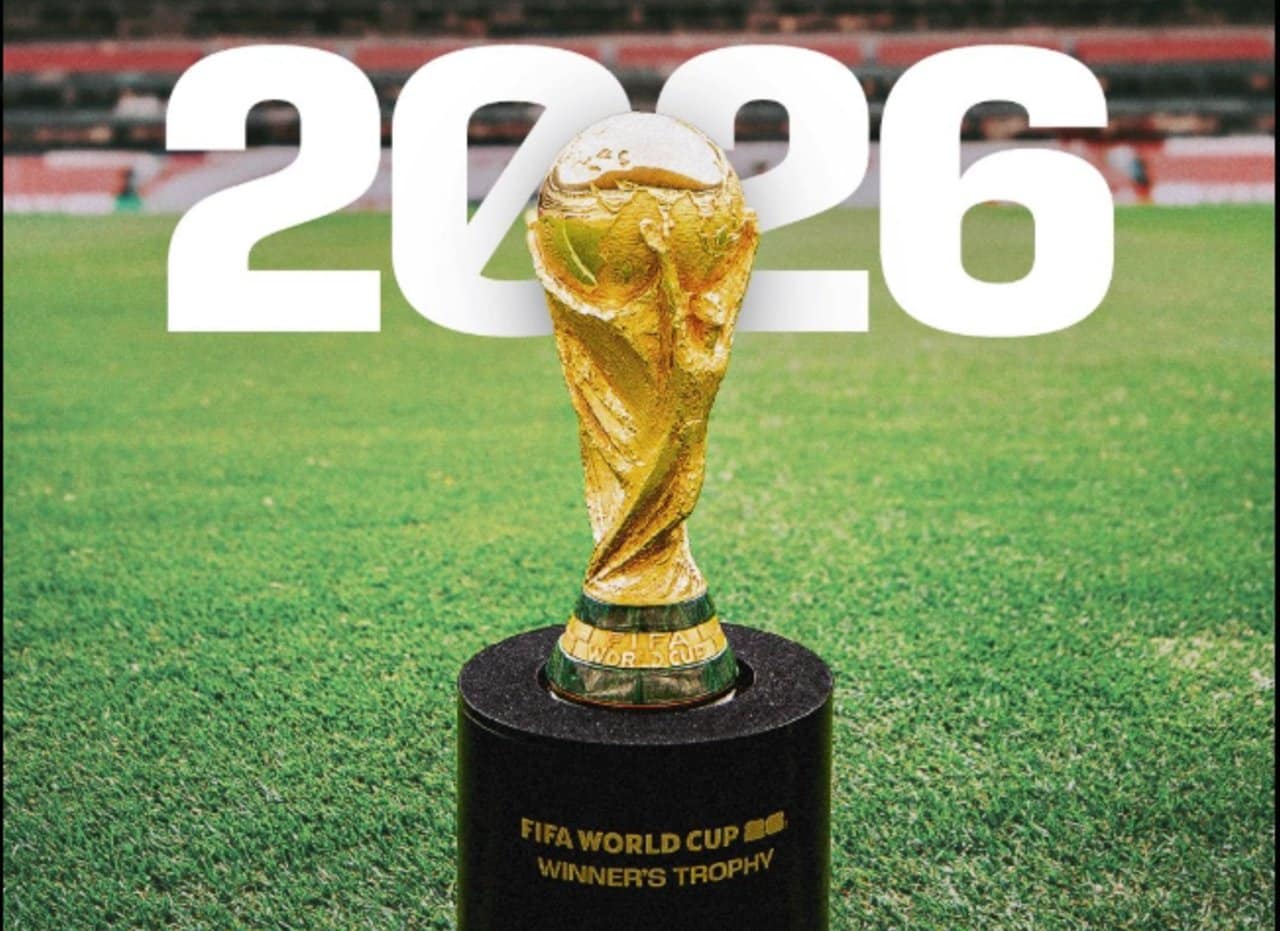 |
The prospect of Irã not participating in the next Copa of Mundo in 2026 highlights a series of historical precedents where national teams, even after qualifying or having the right to a place, chose to withdraw from the world tournament. Este scenario, far from being unprecedented, highlights the intricate relationship between geopolitical, economic and sporting factors.
Throughout football’s rich history, some nations have stood out for their unusual choices not to compete in the biggest sporting showcase on the planet. Estas decisions, sometimes controversial, shaped the panorama of several editions of Copa of Mundo and left marks in the memory of fans and historians.
The reasons for such refusals were varied, ranging from political boycotts and retaliation, to infrastructure and even cultural issues. Essa diversity of reasons highlights the complexity of international relations and sport itself.
The current situation involving the Iranian team, awaiting a decision from FIFA, adds a new chapter to this series of episodes that marked the trajectory of the Mundial, forcing a reflection on the autonomy of federations and external interference.
Uruguayan pioneering in refusal
The history of teams who refused to compete in the Copa of the The motivation for this decision was a clear retaliation against the European nations that refused to participate in the 1930 edition, held on Uruguayan soil.
This stance made Uruguai the only current world champion to boycott the next edition of the tournament he had won, an unprecedented and unparalleled feat to this day. The Uruguayans’ refusal highlighted the tensions and logistical challenges of the time, with transatlantic travel being extremely costly and time-consuming, as well as highlighting the strong identity and national pride of a team that had already proven its worth on the global stage.
Áustria from the perspective of history
The Copa of the Mundo of 1938, based in the França, witnessed another notable case of withdrawal, with the Áustria at the center of the events. Após having guaranteed its classification on the field, the Austrian team saw its destiny drastically changed by the annexation of the country by the Nazi Alemanha, an event known as Anschluss. Essa political turnaround had direct implications on the tournament, leaving a spot open and forcing the reorganization of some brackets. Muitos of the talented players who made up the Austrian team and who had been fundamental to its classification ended up being incorporated into the German team to compete in that World Cup. The 1938 Áustria episode serves as a grim reminder of how geopolitical conflicts can directly impact sport, transforming a nation’s dreams into a symbol of the tensions of the time.
The unusual case of Índia in 1950
Among the most curious episodes of refusal, one that stands out is that of Índia, which qualified for the Copa of the Mundo of 1950, held at the Brasil. The Indian presence in the Mundial was made possible by the withdrawal of other teams from their confederation.
However, the Asian team did not compete in the tournament. Although there are different versions of the facts, historians and country records point to a peculiar reason for non-participation: FIFA’s decision to prohibit Indian players from playing barefoot.
At the time, this practice was common in Indian football, and the local federation would have taken advantage of FIFA’s imposition as a justification to avoid the high costs of travel and accommodation at Brasil. The country’s sporting priority at that period was the participation of its teams in the Jogos Olímpicos, which contributed to the decision to prioritize other investments.
Colombia and the resignation of the headquarters
Colômbia also figures in the history of Copa’s withdrawal from Mundo, but in a unique way. In 1974, the South American country was awarded by FIFA the right to host the 1986 tournament. However, in 1982, the then Colombian president, Belisario Betancur, made a shocking official announcement: Federação Colombiana of Futebol was formally renouncing the right to organize the event.
The reasons for this decision were complex and multifaceted, involving serious concerns about national security, aggravated by the increase in drug trafficking, in addition to the growing and onerous economic and infrastructure demands imposed by world football’s highest governing body. The resignation of Colômbia paved the way for México, which had already hosted the tournament in 1970, to win the new candidacy and become the first nation to host two editions of Copa from Mundo, the stage where Diego Armando Maradona reached the height of glory.
Other episodes of absence
The history of withdrawals is not limited to the most famous cases. Argentina, for example, also refused to participate in the 1938 edition, in protest against FIFA’s decision to hold two consecutive editions of the tournament in Europa. South Americans expected the calendar to alternate between continents, but Itália (1934) and França (1938) were the chosen venues, leading to the Argentine boycott.
In 1950, the Copa of the Mundo in the Brasil was also marked by other notable absences. For predominantly economic reasons, both Escócia and Turquia ended up giving up competing in the famous “Maracanazo”, even after having secured their places or being on their way to qualifying. Esses episodes reinforce that, over the years, several factors can lead a team to give up the opportunity to participate in the main football tournament on the planet.
The imminent decision on Irã
Given these historical precedents, the attention of the football world turns once again to the Oriente Médio, where the possibility of the non-participation of the Irã in the Copa of the Mundo in 2026 persists. FIFA, and in particular its president Gianni Infantino, will be tasked with making a crucial decision regarding the Asian team. Este verdict will not only define Irã’s immediate future in the tournament, but will also add a new and significant chapter to the long and complex history of nations who, for different reasons, found themselves on the sidelines of the greatest spectacle in world football.