
UEFA cancels Finals between Argentina and Spain after impasse over dates and venue in Qatar
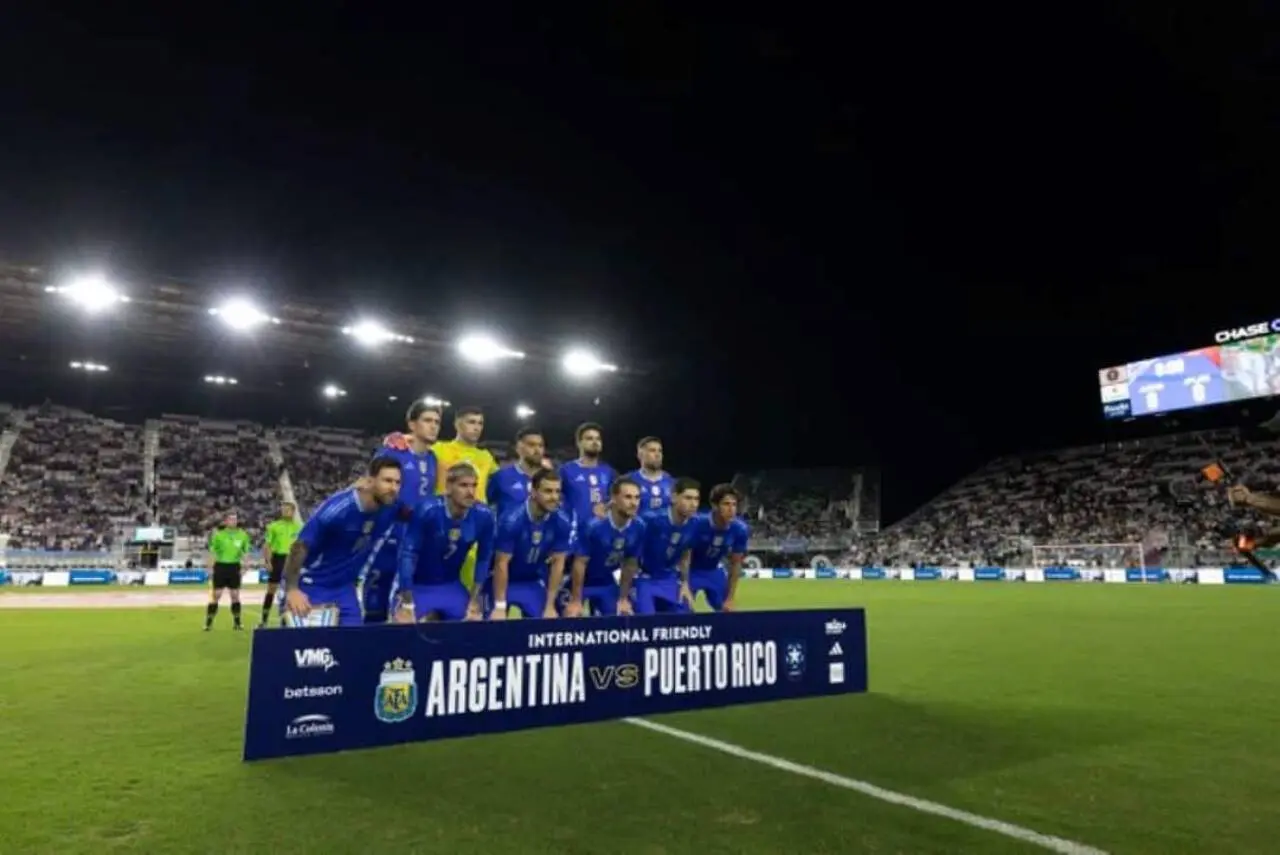
This Sunday, March 15, 2026, Uefa made official the definitive cancellation of the 2026 edition of Finalíssima, a tournament that would put face to face the teams of Argentina, current champion of The announcement comes after weeks of uncertainty generated by the impossibility of holding the event at Catar, the originally planned venue, due to the worsening of geopolitical conflicts and the war in Oriente Médio. Segundo the European entity, the decision was taken after exhausting all attempts at logistical and calendar relocation with the national federations involved in the process.
The central impasse that sealed the fate of the tournament was the lack of flexibility regarding the dates and locations proposed for replacing the original stage. Uefa detailed that Federação Argentina of Futebol (AFA) presented severe restrictions that made it impossible to execute the schedule necessary for the safety and commercial success of the event. With the cancellation, international football loses one of its most anticipated clashes in the pre-Cup cycle of the Mundo, interrupting the tradition that began in 2022, when the Argentines won the trophy by winning the Itália in the Estádio of Wembley.
Conflicts in Oriente Médio prevent headquarters in Catar
The initial choice of Catar as the headquarters of Finalíssima aimed to take advantage of the cutting-edge infrastructure left by the last Mundial, guaranteeing a global spectacle for the duel between Messi and the new Spanish generation. However, the escalation of military tensions in the region forced local authorities and Uefa to suspend any major sporting activities for reasons of national security and the integrity of the athletes. European football’s governing body expressed deep gratitude to the Qatari organizers, but acknowledged that the current political climate made the logistics of a game of this magnitude completely impractical at the moment.
More on this story: Spanish PM asserts no evidence links Morocco to Ceuta border breach despite police report findings
Faced with the impediment on Arab soil, Uefa began a race against time to find a new location that could host the clash during the March international window. Diversas options were put on the negotiating table, including moving the game to neutral grounds at Europa or adopting a round-trip format. Apesar of diplomatic efforts, the calendar requirements of both sides and contractual issues with sponsors made it difficult to converge on a common denominator that would please both Europeans and South Americans.
Proposals rejected by Federação Argentina of Soccer
The first solid alternative presented by the organization was to hold the single match at Estádio Santiago Bernabéu, on Madri, maintaining the original date of March 27th. The proposal included an equal division of the ticket burden between fans of Argentina and Espanha, aiming to maintain the neutrality of the environment, despite the geographical location favoring the Spanish. Esta option was promptly rejected by the Argentine delegation, which claimed competitive and logistical imbalance in operating in the capital of the opposing team under such pressure conditions.
A second solution involved transforming Finalíssima into a two-game duel, with the first confrontation taking place at Espanha and the return match being held at Buenos Aires, at Estádio Monumental of Núñez. Esta round-trip structure would take place in different international windows, allowing both audiences to enjoy their teams at home. Entretanto, Argentina also did not accept this format, maintaining the stance that the conditions offered did not meet the interests of the current world champion for the stipulated period.
- Rejection of the use of Estádio Santiago Bernabéu as the sole headquarters in Madri.
- Negative for the format of round-trip games between nations.
- Impossibility of reaching an agreement for a neutral field on alternative dates at the end of March.
- Disagreement on holding the event only after the end of Copa of Mundo.
Deadlock over the international selection calendar
A última tentativa de salvar o evento consistiu na proposição de uma data alternativa, movendo o jogo de 27 para 30 de março em um campo neutro dentro do continente europeu. Uefa sought to ensure that the commitment was fulfilled within the current season to avoid conflicts with preparations for qualifiers and other continental tournaments. Argentina’s response, however, was that the only date available in its agenda would be March 31st, which was considered unfeasible by the European organization due to the wear and tear of players and club commitments.
On the other hand, the AFA suggested that the Finalíssima be postponed to a period after the Copa of the Mundo, transforming the duel into a cycle-ending celebration. Espanha promptly refuted this idea, claiming that its 2027 calendar is already completely filled with commitments from Nations League and other federative obligations. Sem a common loophole in the Fifa calendars, the Uefa saw no other way out than to end negotiations and declare the tournament as officially canceled for this edition.
Learn more: Player Vini Jr. posts series of photos from trips with Virginia and family across Europe
Preparation of Espanha and institutional thanks
Uefa ended its official statement with a tone of special thanks to Real Federação Espanhola of Futebol (RFEF) and to Real Madrid for the total availability shown during the crisis process. The entity highlighted that the Spanish accepted all the proposed conditions and were flexible to act in any suggested scenario to guarantee the match. The Madrid club’s effort to make its facilities available within such a tight deadline was also widely praised by European football leaders.
The Spanish team must now redirect its focus to preparatory friendlies and official Uefa games, while Argentina will follow its training and travel schedule on the Fifa date of March. The cancellation generates considerable financial loss for the broadcast rights holders and for the Catar organizing committee, which had already started selling tourist packages. Não it is expected that a new edition of Finalíssima will be discussed before the next cycle of continental tournaments, leaving the throne of intercontinental competition vacant.
Technical impact for the commissions of Scaloni and De la Fuente
The technical committees of Lionel Scaloni and Luis to Fuente now face the challenge of reorganizing the planning for the March window, which would be the acid test for both teams. The absence of a high-level confrontation like this harms the evaluation of athletes in high-pressure competitive situations against different football schools. Para for the Argentines, the cancellation takes away the chance to defend the title won four years ago, while for the Spanish, it nullifies the opportunity to measure forces against the team that leads the Fifa ranking.
Frustration is evident among the players, who expressed on social media their desire to hold the clash that unites the two most traditional football continents. Especialistas point out that the lack of stricter governance over the Finalíssima calendar could call into question the continuity of the tournament for the future. Sem a mandatory reserved date in the international calendar of Fifa, the competition depends exclusively on goodwill and mutual agreement between the confederations, which proved insufficient in this 2026 scenario.
Future of cooperation between Uefa and Conmebol
Despite the bitter cancellation, the strategic partnership between Uefa and Conmebol should remain active for other technical exchange and arbitration projects. The Finalíssima was the main symbol of this union, which aims to strengthen the Europa-America axis of the Sul against the structural changes proposed by other global federations. Representantes of the two entities should meet in the coming months to draft a new regulation that provides for automatic alternative headquarters in the event of armed conflicts or health crises in chosen headquarters.
The expectation is that the tournament will only return in 2028 or 2029, depending on the results of Eurocopa and Copa América that will occur in the next cycle. Até there, the title of Argentina in 2022 remains the last historical record of this competition that seeks to rescue the prestige of the former Copa Intercontinental of Seleções. Global football now awaits definitions on how the vacant dates left by this cancellation in the agendas of the two world powers will be filled.
More news in Argentina
See more → Helicóptero de treinamento cai na Argentina e causa morte de sete pessoas
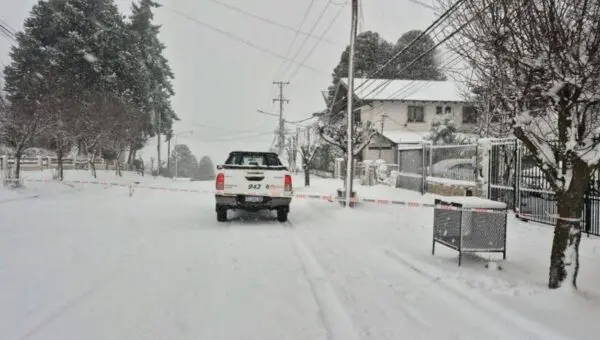 Nevasca intensa força Bariloche a declarar emergência climática e emitir alerta a turistas na Argentina
 Ministro da Fazenda, Dario Durigan, afirma Brasil superior à Argentina e critica Milei como ‘palhaço’
 Falece aos 83 anos María Rosa Fugazot, proeminente atriz argentina com carreira marcante no teatro, cinema e televisão desde 1960
 Professor brasileiro de 35 anos é encontrado morto em Buenos Aires após dias de buscas
 Ícone argentino Luis Brandoni, ator e líder sindical, morre aos 86 anos em Buenos AiresArgentine parliament approves controversial mining bill, threatening pristine glacier ecosystemsArgentine legislature approves measure weakening glacial safeguards for resource extraction projects
 Vasco empata en Argentina y la ausencia de Renato Gaúcho genera extrañeza entre los deportistas de BarracasVasco draws in Argentina and the absence of Renato Gaúcho generates strangeness among Barracas athletesVasco empata na Argentina e ausência de Renato Gaúcho gera estranhamento entre atletas do Barracas
 Mulher argentina envolvida em caso de racismo no Rio volta a Buenos Aires após retirada do monitoramento
More news on Mix Vale
- 1Relações diplomáticas entre Brasil e Argentina se deterioram com saída de embaixador no domingo próximo
- 2Infarto mata jornalista aos 49 anos durante estreia de TV online na Argentina
- 3Operação de resgate socorre 200 turistas presos em nevasca na Cordilheira dos Andes na Argentina
- 4Forte nevasca soterra carros e deixa turistas ilhados em área montanhosa da Argentina
- 5Lionel Messi menyinar dalam kemenangan Argentina dan menerima gambaran sempurna baharu selepas kekalahan bersejarah
- 6Lionel Messi strălucește în victoria Argentinei și primește o nouă descriere perfectă după o înfrângere istorică
- 7Lionel Messi září ve vítězství Argentiny a po historické porážce dostává nový dokonalý popis
- 8Lionel Messi stråler i Argentinas seier og får en ny perfekt beskrivelse etter historisk nederlag
- 9Lionel Messi lyser i Argentinas seger och får en ny perfekt beskrivning efter historiskt nederlag
- 10Lionel Messi skinner i Argentinas sejr og modtager en ny perfekt beskrivelse efter historisk nederlag