
China’s ultra-high voltage network advances and protects country from impacts of conflicts in the Middle East

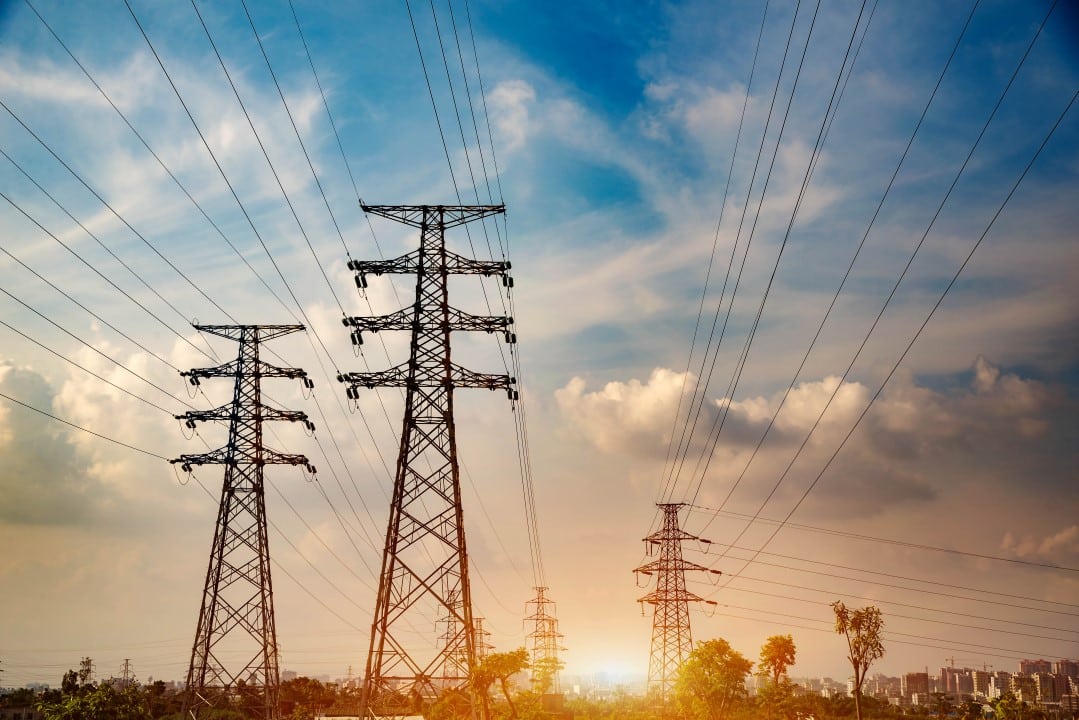
China accelerates expansion of the electrical supergrid to reinforce energy security and mitigate impacts of global crises. The country invests heavily in ultra-high voltage transmission infrastructure, which allows it to transport large volumes of renewable energy from remote regions to consumption centers. Essa strategy gains relevance in the face of recent geopolitical tensions in Oriente Médio, which raised oil and gas prices and affected neighboring importers such as Japão and Coreia from Sul. The Chinese government seeks to reduce dependence on imported fossil fuels by prioritizing clean domestic sources.
The supergrid, made up of ultra-high voltage direct current (UHVDC) transmission lines, connects renewable energy sources in the west and north of the country to industrial areas in the east. Esse system minimizes losses during long-distance transportation and resolves bottlenecks that previously limited the integration of solar and wind into the national grid.
The plan includes spending about 5 trillion yuan on power grids over the next five years. Esses resources complement record investments made since 2024, when transmission bottlenecks intensified with the accelerated growth of renewables.
Advancement in UHV projects
State Grid Corporation of China announced the operation of 15 new ultra-high voltage lines between 2026 and 2030.
The increase in interstate transmission is expected to reach 35%. Isso facilitates the efficient flow of clean generation and reduces the waste of renewable energy in producing regions.
Initial investments for the year show acceleration. Nos first two months of 2026, State Grid increased investments in fixed assets to 75.7 billion yuan, an increase of 81% compared to the same previous period.
Financing via bond issuance
State-owned network operators issued record volumes of domestic bonds. In 2026, billions in bonds with yields close to historic lows have already been sold, financing infrastructure expansions.
State Grid and China Southern Power Grid lead the corporate debt market in the country. Esses resources are directed directly to the construction and modernization of the supergrid.
The financing model allows maintenance of high investments even in scenarios of external economic volatility.
Integration of renewables and reduction of dependence
The supergrid transports electricity generated in deserts and highlands to coastal cities. Isso optimizes the use of solar and wind, abundant sources in less populated areas.
With this infrastructure, China increases the proportion of non-fossils in the energy matrix. The country advances towards the goal of carbon neutrality by 2060 by gradually reducing the use of coal in dependent regions.
Cross-provincial capacity grows significantly. Projeções indicate that the system will reach higher transmission levels by the end of the decade.
Impact on national energy security
The strategy strengthens the country’s resilience against fluctuations in international oil and gas markets. Diferente of neighbors facing immediate shortages, China relies on internal diversification and strategic reserves.
The focus on efficient transmission allows it to absorb external shocks without serious supply interruptions. Essa approach transforms energy into a factor of economic stability.
Investments in storage and flexibility complement the supergrid. The system as a whole reduces risks associated with volatile imports.
Expansion planned for the coming years
Official plans foresee increasing cross-country transmission capacity to significant levels by 2030. Novas UHVDC lines will double flexible exchange capabilities between regions.
Construction is progressing at a rapid pace. Projetos priorities include corridors that connect renewable bases to intensive demand centers.
These initiatives align with the long-term policy of energy self-sufficiency. The country consolidates global leadership in high voltage transmission infrastructure.
The supergrid represents a central pillar of China’s energy transition. With continuous investments, the system offers protection against global volatility and supports the sustainable growth of the economy.



