
Diesel price rise in the US exceeds US$5/gallon; conflict with Iran intensifies global supply crisis

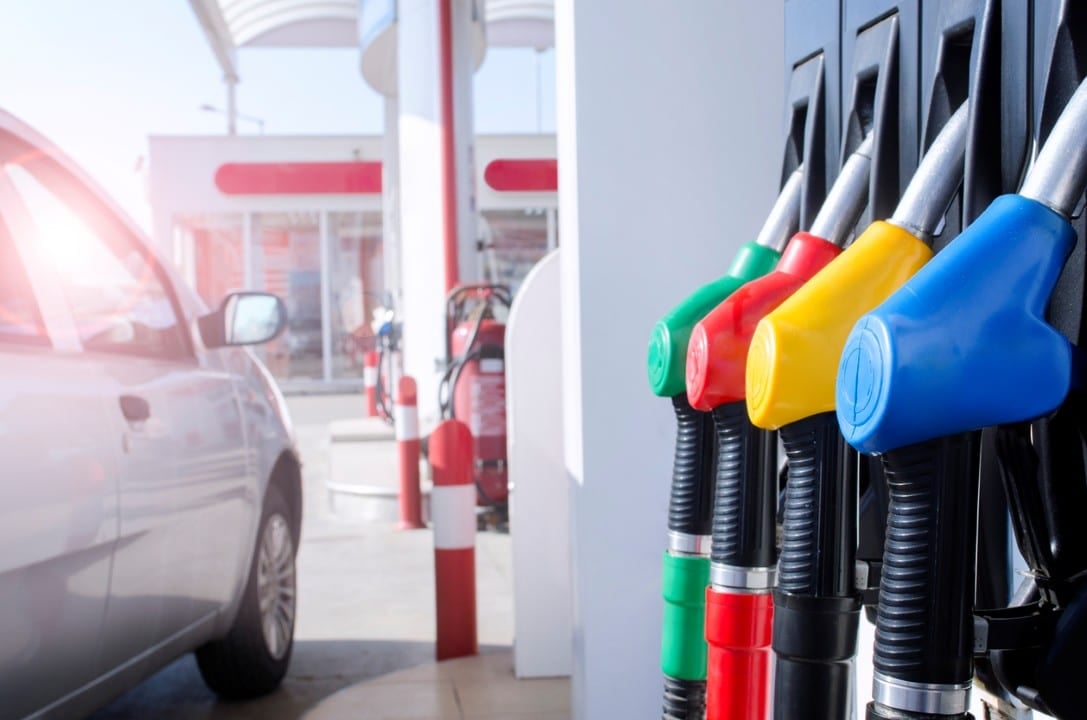
The Estados Unidos saw a significant increase in diesel prices, with the price per gallon surpassing the US$5 mark, something that has not occurred since December 2022. The Esta escalation reflects growing pressure on the global economy, driven by severe disruptions in the fuel supply chain, exacerbated by the ongoing conflict with the
Associação Automobilística Americana (AAA) reported that the average retail price of diesel in the country reached US$5,044 on March 16, 2026.
Geopolitical tension has resulted in the effective blockade of the Estreito of Ormuz, a crucial shipping route that accounts for about a fifth of the world’s oil transport. Tal disruption not only caused crude oil prices to surpass $100 per barrel, but also triggered an even sharper rise in markets for refined products such as gasoline, diesel and jet fuel.
The strategic role of diesel in the global economy
Diesel is an essential fuel for the functioning of the world economy, being the foundation of vital sectors such as freight transport, agriculture and civil construction. The rise in retail prices triggers a series of repercussions that spread throughout the economic structure, impacting everything from the cost of food production to the final value of products and services.
The peculiarity of diesel lies in the fact that refineries located in Golfo Pérsico are one of the main sources of supply. With the current disruptions, the price of diesel has been rising at a faster rate compared to other petroleum products, amplifying the difficulties faced by companies and consumers.
This disproportionate increase in diesel costs can be directly attributed to the complexity and dependence of global supply chains. Qualquer disruption in key regions, like Golfo Pérsico, has a domino effect that resonates across distant markets, sharply unbalancing supply and demand.
Transport sector responses and political pressures
Asked about the implications of rising diesel prices, Pavel Kveten, CEO of Gilteca Logistics, one of the largest road transport companies in Europa, expressed concern. “To date, we have not observed any significant operational disruptions, but it is undeniable that this situation will have a direct and profound impact on the economy,” said Kveten.
Gilteca Logistics, like many other companies in the sector, adopts a policy of weekly adjustment of its tariffs, linking them to fluctuations in crude oil prices. Kveten warned that “if fuel costs continue to rise, this increase could be reflected in transport costs in a matter of days, not months, which will accelerate inflationary pressure.”
In the political scenario, the persistence of high fuel prices for a prolonged period can have direct consequences. In some American states, the price of diesel has already exceeded US$5, and the concern is that this scenario could affect President Trump’s chances of winning the mid-term elections, scheduled for later this year.
International reactions and protectionist measures
The supply crisis and the consequent increase in fuel prices are not just restricted to Estados Unidos. Na Europa and Ásia, aviation kerosene prices have already surpassed the US$200 per barrel mark, highlighting the extent of the problem. Até Even fuel oil, traditionally traded at values lower than crude oil futures contracts, is approaching US$140 per barrel.
Faced with this challenging panorama, several countries are adopting more protectionist stances. Essas nations seek to safeguard domestic fuel production and protect their consumers from volatility and rising prices. Tais measures aim to mitigate the effects of the crisis, although they may generate trade tensions and hinder global coordination.
The South Korean government, for example, has announced plans to limit the amount of petroleum products that local refineries can export. The Ministro of the Comércio and Indústria,
Challenges in global logistics and the future of the market
The global dependence on diesel to move goods and carry out essential activities exposes the vulnerability of logistics infrastructure to external shocks. Empresas transport and distribution companies face the difficult task of balancing maintaining profitability with the need to offer services at competitive prices in a rising cost environment.
Consumers, in turn, feel the weight of this crisis indirectly, through the increase in prices of a wide range of products. Desde food, which depends on transportation to reach the shelves, to durable consumer goods, whose components are moved by fleets of trucks, all sectors are impacted. Este scenario drives widespread inflation that erodes the population’s purchasing power.
Continued supply interruptions, especially from strategic regions such as Oriente Médio, require a reassessment of energy sources and supply strategies. The search for alternatives and the diversification of import routes become imperative for long-term economic resilience. Além Furthermore, the adaptability of refineries and the exploration of new fuel technologies could be decisive in mitigating future crises.



