
German automaker Audi ends production of the A8 sedan after three decades to prioritize electric vehicles By Luís Henrique Costa
6 min read
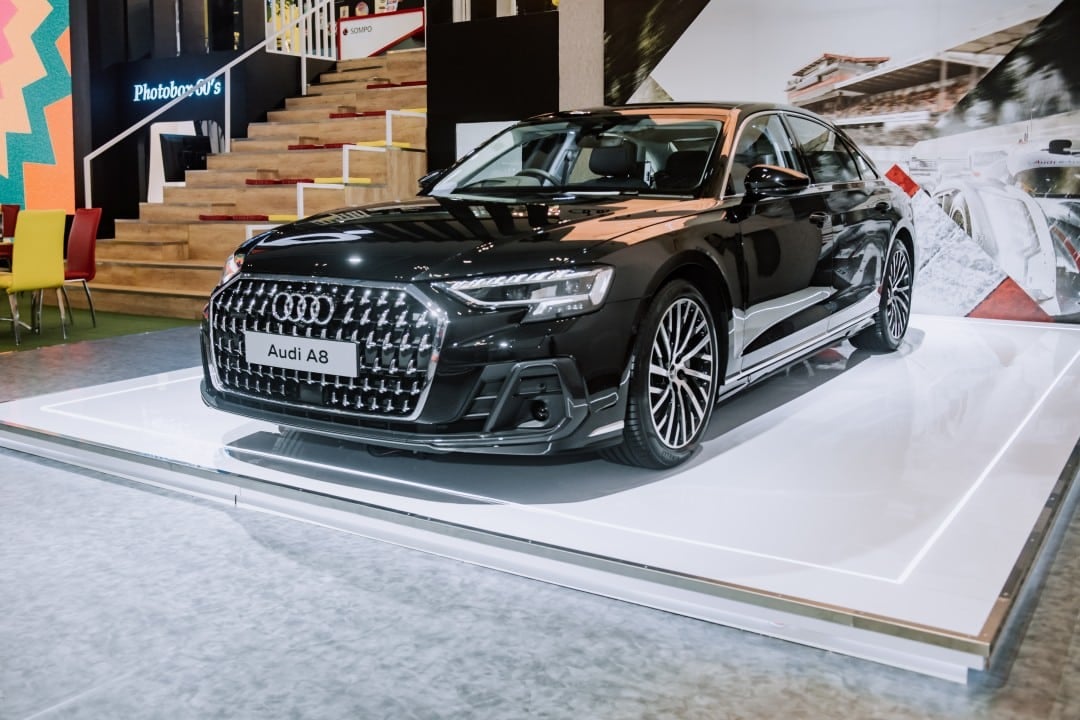 |
The German car manufacturer confirmed the definitive end of production of its main luxury sedan, marking the end of a cycle of more than three decades in the global market. The strategic decision reflects a profound change in the guidelines of the automotive industry, which is now directing its massive investments towards electrification and new body formats.
The vehicle, which for years represented the pinnacle of the brand’s engineering and comfort, will no longer be assembled in its traditional configuration with combustion engines. The assembly line responsible for the model is undergoing a restructuring process to accommodate new production demands focused on sustainable mobility.
The transition comes at a time when European carmakers face stringent regulatory pressures on carbon emissions. The company’s movement is in line with the demands of the current market, which prioritizes energy efficiency and the reduction of environmental impact in large cities.
Model trajectory in the high-end segment
The top-of-the-line sedan was introduced into the automotive market with the mission of competing directly with its main German rivals in the luxury segment. Desde its launch, the car set new standards in on-board technology and performance for executives and authorities.
Throughout its generations, the vehicle served as a technological showcase for the automaker, introducing innovations that were later applied to the brand’s more affordable models. The construction with an aluminum body, known as space frame, revolutionized the way large cars were designed, ensuring weight reduction and increased structural rigidity. Essa technical approach allowed the sedan to offer superior dynamic behavior, despite its large dimensions.
The model’s presence in government fleets and large businessmen’s garages consolidated its image as a symbol of status and financial power in several countries. The continuous development of all-wheel drive and adaptive suspension systems has ensured that the vehicle has remained competitive throughout its 32-year history, adapting to the demands of a highly rigorous consumer public. The brand constantly invested in design and engine updates, seeking to balance the tradition of a classic sedan with the innovations necessary to attract new generations of buyers with high purchasing power.
Restructuring of the manufacturing unit at Alemanha
The factory located in Neckarsulm, responsible for assembling the sedan, is undergoing significant structural adaptations to receive the new electric vehicle platforms. Workers involved in the production line of the discontinued model are being relocated and trained to operate the new machinery.
Industrial transition requires substantial investments in the modernization of facilities, including the implementation of advanced automation systems. The automaker guarantees that the change in the portfolio will not result in mass layoffs, prioritizing the qualification of local labor for electric propulsion technologies.
Changing consumer behavior and the rise of utilities
The decline in large sedan sales is directly linked to consumers’ growing preference for sport utility vehicles. SUVs have come to dominate the luxury segment, offering greater interior space, a high driving position and versatility of use.
The automaker registered a significant migration of its traditional customers to the Q line models, which deliver the same level of finishing and technology, but in a more robust body. Essa paradigm shift forced the company to review its long-term product strategy.
The North American market and the Chinese market, historically the largest buyers of executive sedans, have also shown a strong inclination towards SUVs in recent years. Adapting to this new commercial reality made maintaining a traditional sedan financially unviable given the development costs.
Regulatory pressures and European emissions standards
European environmental legislation, specifically the Euro 7 standards, imposes severe limits on the emission of polluting gases by combustion vehicles. The development of large displacement engines capable of meeting these requirements demands exorbitant financial resources.
The automaker chose to direct its research and development capital towards creating more efficient batteries and high-performance electric motors. Adapting old V8 and W12 engines to new environmental rules has become an insurmountable technical and commercial obstacle.
European cities have already implemented low emission zones, restricting the circulation of vehicles powered by fossil fuels in their urban centers. Essa public policy directly affects the usability of traditional luxury sedans by executives and VIP transportation companies.
Total fleet electrification has become the only viable path for manufacturers who wish to maintain their relevance on the European continent. The energy transition is treated as an absolute priority on the boards of directors of the world’s main automotive brands.
Technological legacy and innovations of the sedan
The discontinued model pioneered the adoption of driver assistance systems, introducing semi-autonomous driving features that paved the way for today’s vehicles. The integration of radars, cameras and ultrasonic sensors allowed the car to offer features such as emergency braking, lane keeping and adaptive cruise control at unprecedented levels at the time.
In addition to safety, the vehicle established new benchmarks in infotainment systems, with high-resolution screens and advanced connectivity for rear seat passengers. The acoustic insulation of the cabin and the use of noble materials, such as high-quality leather and reforested wood, created an internal environment that rivaled executive jets, guaranteeing comfort on long-distance trips.
Electrification strategy and new mobility concepts
To fill the gap left by the classic sedan, the German manufacturer is developing a new generation of electric vehicles based on platforms dedicated exclusively to this technology. The Grandsphere concept, recently presented at auto shows, indicates the aesthetic and technological direction that the brand will adopt for its future top-of-the-line model. Este new design focuses on maximizing internal space, taking advantage of the absence of the transmission tunnel and front combustion engine to create a cabin similar to a first class living room. The 800-volt electrical architecture will enable ultra-fast recharges, minimizing waiting time on long trips and solving one of the main concerns of high-end consumers. Level 4 autonomous driving is at the heart of the development, designed to take full control of the vehicle on highways, allowing occupants to use travel time for work or rest.
Transition schedule at global dealerships
The last units of the combustion sedan have already been ordered and are in the final assembly phase for delivery to customers. The brand’s dealerships around the world have begun the process of transitioning their showrooms, preparing the physical space and training the sales teams for the arrival of the new fully electric models that will take over as the company’s main vehicle.
Positioning in the high-end market
Competition in the luxury automotive segment requires quick responses to innovations from direct competitors. The decision to end production of the traditional model allows the manufacturer to focus its efforts on technologies that truly define the new concept of exclusivity.
The focus now lies on offering personalized digital experiences and integrated mobility services, moving beyond the old engine power metric. The redefinition of automotive luxury necessarily involves sustainability and the integration of the vehicle with the user’s intelligent ecosystem.
Supply chain adaptation
Suppliers of parts and components that served the sedan’s assembly line are also going through a period of readjustment. The automaker’s global supply chain is being reconfigured to prioritize the acquisition of lithium-ion batteries, advanced semiconductors and recyclable materials, aligning the entire production network with the new sustainability standards required by the international market.
Historical rivalry in the European market
During its three decades of existence, the sedan was involved in one of the fiercest commercial disputes in the European automotive industry. Direct competition with other high-end models manufactured at Alemanha drove a continuous cycle of technological innovations, where each new generation needed to overcome the engineering limits established by rivals. Essa rivalry directly benefited consumers, who now had access to increasingly safer, faster and more comfortable vehicles.
The marketing strategy adopted to position the vehicle has always highlighted its all-wheel drive and sober design as competitive differentiators. Enquanto some brands bet on more aggressive lines or extreme comfort, the manufacturer focused on delivering precise handling and a timeless aesthetic. Esse positioning guaranteed a loyal customer base, made up of executives who sought discretion without giving up high performance and cutting-edge technology in their daily commutes.



