
Oil prices fall with announcement of new reserves and flow in Strait of Hormuz

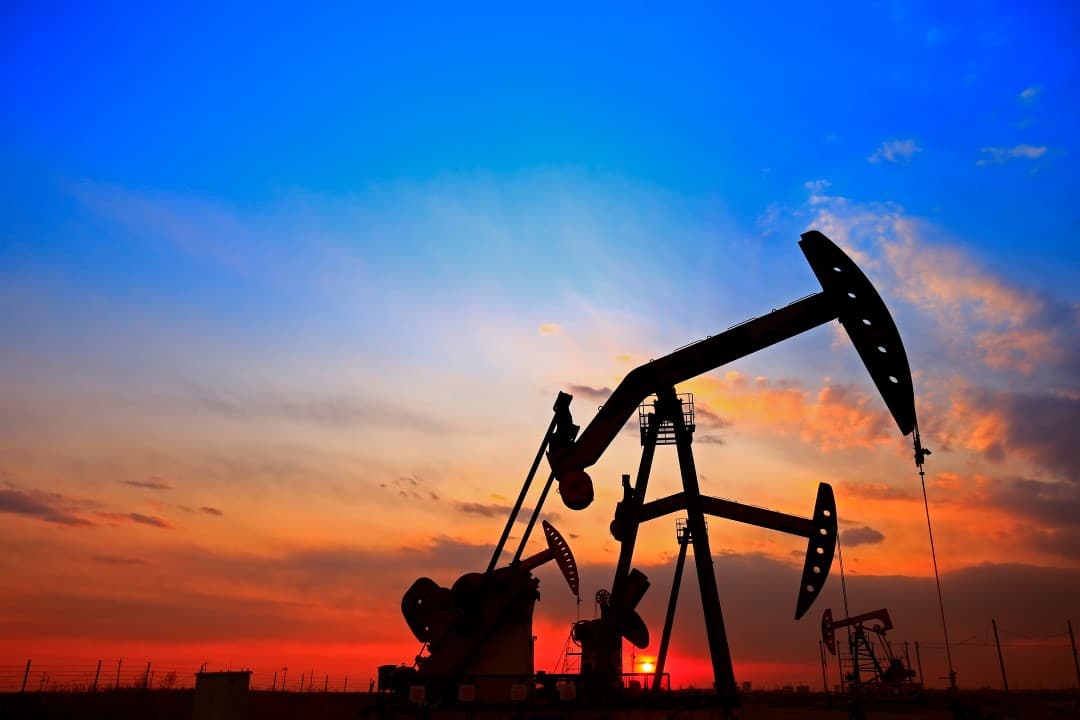
Oil prices registered a significant drop today, driven by the prospect of a further release of global reserves and a substantial improvement in ship traffic in one of the world’s most critical shipping lanes. Essa combination of factors brought notable relief to markets, which had been operating under increasing pressure. The barrel of type
Recent global instability and concerns about supply had been keeping prices at high levels. However, the coordinated actions of large entities and the normalization of essential transport routes contributed to this correction. The move reflects an attempt to balance supply and demand, mitigating the geopolitical tensions that often affect the sector.
The current dynamics of the oil market are complex, involving several agents and factors that range from the production of OPEC+ member countries to the energy security policies of consumer nations. The interconnection of these elements creates an environment of constant vigilance for analysts and investors, who seek to predict the next trends.
Recent decisions have a direct impact not only on international prices, but also on energy costs for consumers and industries around the world, influencing inflation and purchasing power. Oil volatility remains an important barometer for the health of the global economy.
Reserve release strategy
Agência Internacional of Energia (AIE) confirmed its active stance in managing global oil supply. The executive director, Fatih Birol, reiterated the agency’s commitment to ensuring market stability. Segundo Birol, the release of 400 million barrels in the previous week had already helped to reassure the markets, demonstrating the effectiveness of the measure.
Birol emphasized that the AIE is prepared to act again, if necessary, underlining the organization’s readiness to intervene in imbalance scenarios. The ability to mobilize such a significant volume of strategic reserves gives the agency a powerful tool to mitigate supply shocks and contain abrupt increases in prices, protecting global economies from excessive fluctuations.
Relief in the Strait of Hormuz
Another crucial factor for the drop in prices was the normalization of ship passage through Estreito from Hormuz. Este maritime bottleneck, through which a significant part of global oil transits, is constantly monitored due to its strategic importance and associated geopolitical risks. The improvement in traffic safety and fluidity brought considerable relief to investors.
Analysts at Scotiabank, for example, highlighted the successful transit of oil tankers over the past weekend as a positive sign. The ability of cargo ships, including oil ships, to navigate the region without reported incidents reduces the perceived risk of supply chain disruption. Isso translates into a lower risk premium embedded in commodity prices, contributing to the observed devaluation.
Reactions from markets and analysts
The markets’ immediate reaction to the news of the potential release of more reserves and the fluidity at Hormuz was to sell, resulting in a drop in prices. Investors interpreted these developments as an increase in available supply, which naturally puts downward pressure on prices. Confidence in the supply management capacity of entities such as the AIE plays a fundamental role in this scenario.
However, industry analysts note that despite the momentary relief, the oil market remains susceptible to a number of variables. Fatores such as OPEC+ production policies, global demand driven by economic recovery and potential geopolitical tensions in other regions continue to be points of attention. Volatility is an inherent characteristic of this market.
The expectation is that the barrel of Brent will continue to fluctuate in response to these different stimuli. The ability to adapt global supply to demand will be crucial in determining price levels in the medium and long term. Experts’ eyes are focused on the next market reports and the decisions of the main producing and consuming powers.
Projections for global consumption
Global demand for oil, although in an energy transition process, still represents a vital component for economies. Projections for consumption in 2026 indicate a gradual recovery, especially in emerging economies and industrial sectors that rely heavily on fossil fuels. Este increased demand, in turn, can balance the effects of increased supply.
However, the speed and intensity of this recovery are uncertain. Políticas Government decarbonization efforts, technological advances in renewable energy and the adoption of electric vehicles could moderate long-term oil demand growth. Consumer trends are a complex balance between economic, environmental and technological factors that will shape the future of the market.
Future Volatility Factors
The oil market is known for its volatility, and several factors could influence prices in the coming months. Alguns of the elements that require attention include:
- OPEC+ decisions on production levels.
- The global economic recovery and its impact on energy demand.
- Geopolitical tensions in oil-producing regions.
- The interest rate and monetary policies of central banks, which affect investment and consumption.
- Extreme weather events that could disrupt production or transportation.
These factors combined create an environment of uncertainty that investors need to consider when making their decisions. The agility in reacting to new information and the ability to adapt are essential to navigate this dynamic scenario. The IEA and other organizations will continue to closely monitor these indicators to ensure energy security.
Challenges and perspectives on the horizon
The global oil market faces multifaceted challenges. Além of fluctuations in supply and demand, the pressure for a transition to cleaner energy sources is increasing. Isso implies significant investments in new technologies and the restructuring of entire industries, which can introduce new dynamics in commodity prices. In the long term, the relevance of oil may decline, but its strategic importance in the short and medium term remains undeniable.
The prospects for the Brent barrel, despite the recent drop, still point to a level that reflects the complexity of the current scenario. The ability of producers to adjust their supply, combined with strategies for releasing reserves and stabilizing critical routes, will be essential to avoid excessive peaks or sharp drops that could destabilize the global economy. The next few months will be crucial to consolidate these trends and observe market resilience.



