Boca Juniors begins expansion works to increase Bombonera’s capacity to 80 thousand people By Thiago Lemos
6 min read
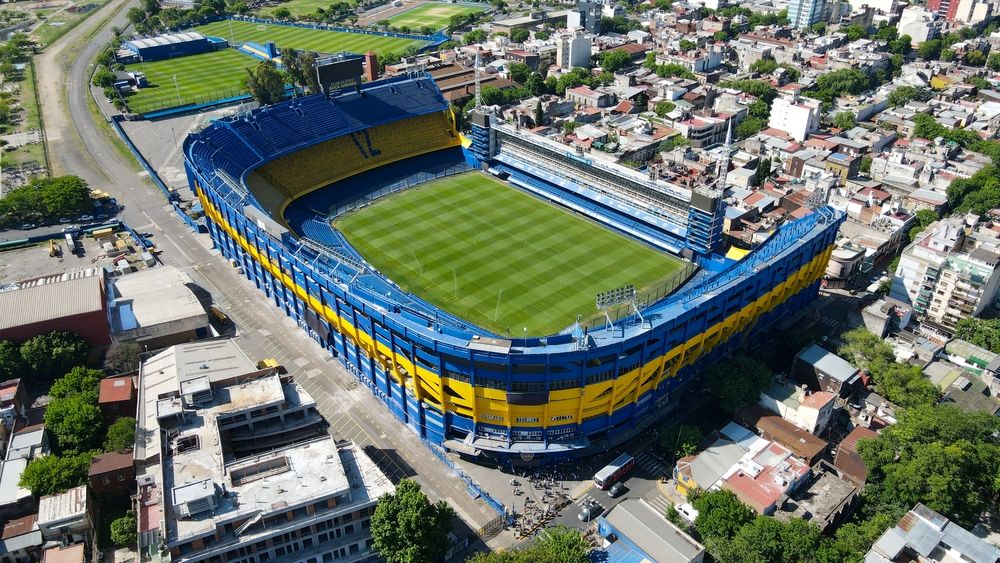 |
The Argentine club Boca Juniors has officially started the modernization and expansion works on the Alberto J. Armando stadium, popularly known as Bombonera, in Buenos Aires. The ambitious project, led by the administration of President Juan Román Riquelme, aims to increase the current capacity of 54 thousand seats to approximately 80 thousand spectators in the coming years. Registros released this Tuesday, March 17, show the progress of interventions on the external facade and the installation of structures that will give a new visual identity to the sports monument.
The club’s board of directors detailed that the initial work focuses on restructuring the access areas and creating coexistence spaces for members. Esta phase includes the installation of large glass panels on the main facade, giving the stadium a contemporary appearance without compromising the architectural essence that has made it world famous. According to local planning, the improvements also cover the surrounding training fields and internal signage to optimize the flow of fans on days of major events.
- Installation of a 1,600 square meter mezzanine for gastronomic services.
- Strategic displacement of the lawn by approximately four meters to optimize space.
- Creation of new bleachers in the sectors where the boxes currently operate.
- Total reconfiguration of the reserve banks to the opposite side to the traditional one.
- Modernization of internal circulation and accessibility areas for people with disabilities.
Modernization of the facade and new glass structures
The new face of the Bombonera began to take shape with the removal of old structures and preparation for enclosure in high-resistance tempered glass. Esse architectural element seeks to integrate the stadium into the urban fabric of Buenos Aires, allowing a cleaner and more organized view for those traveling through the La Boca neighborhood. The club created specific profiles on digital platforms to keep fans informed about each stage of construction, ensuring transparency in the renovation process.
The images shared show workers working on fixing the metal frames that will support the new external cladding. Além aesthetics, this functional change aims to protect the internal areas from the weather and improve acoustic insulation during matches. The lighting project will also be renewed, with LED systems that will allow projections of colors and images onto the glass surface, following the standards of the most modern arenas in the world.
Expansion of capacity and the end of the old cabins
The most sensitive and awaited point of the renovation is the demolition of the current boxes to build a continuous grandstand that will close the stadium ring. Essa intervention is essential to reach the goal of 80 thousand fans, transforming Bombonera into an even more imposing cauldron for opponents. The displacement of the field towards the railway line, which has already begun to be technically planned, is what will enable this gain in physical space without the need to acquire complex external land.
The removal of the historic boxes will allow the club to democratize access to the sector, increasing the offer of tickets for members who currently face long queues. Técnicos in engineering monitor measurements daily to ensure that the stadium’s characteristic vibration, known as the “pulse of Bombonera”, is not affected by structural changes. The preservation of internal acoustics is an absolute priority for the management of Riquelme, which considers the noise of the fans to be an intangible heritage of Boca Juniors.
New mezzanine and social spaces for fans
Inside the stadium, an area that was previously underused is being converted into a large 1,600 square meter mezzanine dedicated to leisure and food. Esse new flooring was designed to decongest the internal corridors during the game break, offering more comfort and consumption options for the public present. The idea is that fans can arrive at the stadium earlier and enjoy an infrastructure comparable to that of large European arenas.
The new gastronomic establishments will include everything from quick snack bars to restaurants overlooking the club’s internal areas, generating new sources of revenue for the institution. The project envisages that this area will also operate on days when there are no games, serving as an additional tourist spot for visitors taking a tour of the Boca Juniors museum. The integration of modern services is seen as essential to regain the interest of members who left due to the infrastructure limitations of the old building.
Logistics of works and maintenance of the game calendar
The renovation schedule was designed to cause the least possible impact on the performance of the professional team during national and international competitions. Most heavy interventions occur during recess periods or in a staggered manner, allowing Boca Juniors to continue playing its home games at partial capacity. The club has established strict safety protocols so that the public can travel through unaffected areas without risk during match days.
Improvements to access and gates are already showing practical results, with a significant reduction in the time for fans to enter and exit. The camera monitoring system was also updated, ensuring constant surveillance of all new sectors in real time. The board emphasizes that the investment is fully financed by its own resources and strategic commercial partnerships, without compromising the finances allocated to professional football.
Visual identity inspired by the culture of La Boca
The renovation is not just limited to concrete and glass, it also seeks a deep connection with the cultural roots of the neighborhood where the club is located. Recentemente, Boca launched uniforms and materials inspired by the colorful paintings on the streets of La Boca, and this aesthetic should be transposed into some details of the new internal decoration. Painéis artistic and murals that tell the story of the club’s idols are planned to fill the new circulation corridors.
This approach aims to transform Bombonera into a cultural sports center that exalts Buenos Aires pride and Xeneize passion. The use of vibrant colors and references to the local port will serve to reinforce the bond between the team and its community, making the experience of visiting the stadium something unique for tourists and locals alike. President Riquelme has emphasized in his speeches that modernization serves to prepare the club for the future without ever forgetting where it came from.
Chronology of improvements and next management steps
Since the end of last year, the current management has been implementing small interventions that prepared the ground for the major expansion project announced now. The renovation of the training fields and the general painting of the stands were the first signs that a profound change was coming. With the start of work on the facade and mezzanine, the project enters its most visible and complex phase, requiring absolute precision in engineering calculations.
The next steps include completing the assembly of the glass panels and beginning excavations to move the pitch, scheduled for the next championship interruption window. The club expects that, by the end of 2026, a large part of the basic expansion structure will be completed, allowing the gradual opening of the new grandstand sectors. The expectation is that the new Bombonera will become the most modern and pulsating stadium of América of Sul, consolidating Boca Juniors’s leadership on the continental scene.