
Israeli attack on South Pars gas field spikes oil prices and escalates tension in war with Iran

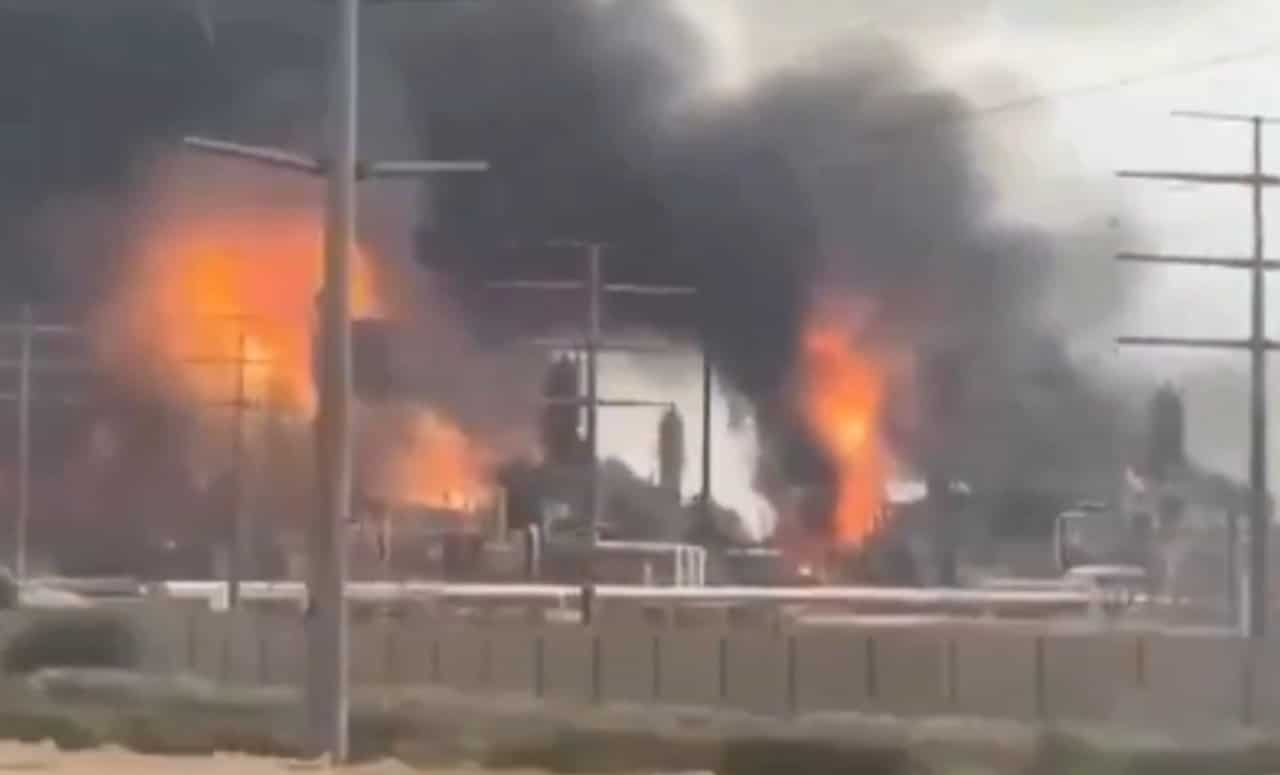
New airstrikes have hit the infrastructure of the vast South Pars offshore gas field in the Irã, the biggest assault on the country’s energy production since the conflict began almost three weeks ago. The military assault, which targeted oil and petrochemical installations in the city of Asaluyeh, in the south of Irã, caused an immediate rise in global oil prices, signaling the growing threat to global energy security. Este recent episode intensifies an already volatile scenario in the region, which has seen a series of dramatic events.
Catar, which shares the extensive offshore field with Irã, quickly attributed responsibility for the attacks to Israel, issuing a stark warning about the danger and irresponsibility of targeting joint energy infrastructures. Anteriormente, The economic and geopolitical repercussions of these events are substantial, with the energy market reacting to uncertainties.
Olho por olho: Depois de o Irã ter atacado instalações de energia em todo o Oriente Médio, o fogo chegou ao seu próprio país. South Pars, a joia da coroa iraniana e o maior campo de gás natural do mundo, está agora em chamas depois que ataques israelenses e americanos… https://t.co/wq7dQt2U8z
— KALANGO SOSSEGADO 1 (OFICIAL) (@KalangoFertunga) March 18, 2026
In response to the escalation, the Estados Unidos government announced the temporary lifting of fuel transportation restrictions, seeking to ease pressure on gasoline prices in an effort to stabilize the domestic market. The measure, which involves Lei Jones Act, reflects concern about the direct impact of the conflict on global economies, which are already facing challenges of inflation and instability.
Escalation of conflict in the Middle East
Regional tension was dramatically heightened by the assassination of Irã’s intelligence minister, Esmaeil Khatib, in an Israeli airstrike. Ele became the latest senior Iranian official to be killed in the conflict, with the Israeli military saying his ministry oversaw espionage operations against Israeli and American targets globally. The loss of such prominent figures underlines the high-intensity nature of the confrontation.
His death came one day after an Israeli strike killed the head of Conselho of Segurança Nacional of Irã and the country’s de facto leader, Ali Larijani, whose funeral in Teerã drew large crowds. State media displayed his coffin draped in the Iranian flag, surrounded by mourners who chanted “Death to América” and “Death to Israel”, highlighting the deep indignation and anti-Western sentiment that permeates the Iranian population.
Global impact on energy supplies
Direct attacks on facilities like South Pars, one of the world’s largest gas fields, vividly illustrate how conflict threatens global energy supplies. Gas extracted from the field, situated under Golfo Pérsico, is pumped to Asaluyeh for processing, making the area a crucial strategic point for Iranian energy production. Disruption or threat to this infrastructure could have disastrous consequences for global supply.
Oil prices recorded a significant increase, jumping 29% to an average of US$3.84 per gallon, compared to US$2.98 recorded on February 28, the date when the attacks by the Estados Unidos and Israel against the Irã began. Este jump in prices reflects market apprehension regarding the stability of oil supply, especially after Irã effectively halted oil exports from Golfo Pérsico in retaliation.
The almost complete suspension of Estreito from Ormuz, a vital shipping route, due to Iranian attacks has exacerbated the energy crisis. Essa sea route, through which a substantial portion of the world’s oil passes, is essential for the flow of trade. The effective closure of this strait creates significant bottlenecks and contributes to price volatility, affecting economies globally dependent on energy supplies.
United States response and the Jones Act
The Trump government announced the temporary suspension of Lei Jones Act for 60 days, a measure aimed at mitigating short-term disruptions in the oil market. Essa law restricts the transportation of cargo between American ports only to ships built and manned in Estados Unidos, which normally increases costs. The expectation is that this suspension will allow a freer flow of essential resources, such as oil, natural gas, fertilizers and coal.
Analysts and some executives in the shipping sector, however, predict that the impact of the relaxation of the Jones Act on gasoline prices will be only marginal. The cost difference for hiring American ships compared to foreign ships is about $50,000 per day, which translates into a savings of approximately 5 cents per gallon of gasoline. Este value is relatively small compared to the rise driven by the cost of crude oil.
The most significant component in gasoline prices is the cost of oil, which has soared by about 40% since the start of the conflict. Lei Jones Act, enacted in 1920 to guarantee maritime transport capacity to Estados Unidos, does not apply to vessels transporting goods from other countries. The suspension aims to make domestic transport more flexible, but does not address the root cause of the rise in prices, which lies in the geopolitical crisis.
Critics of the law argue that it imposes additional costs on businesses and consumers, especially in regions such as Alasca, Havaí and Porto Rico, which rely heavily on American shipping. Especialistas academics, like MIT’s Christopher Knittel, estimate that Lei Jones Act adds about 1.5 cents to the cost of gasoline. Although Apesar is not a significant number individually, its accumulated impact is considerable, given the large amount of gasoline consumed.
Other combat fronts and casualties
In Líbano, the Israeli army intensified its attacks, reaching Beirute and other cities. Vários attacks hit the center of the capital, far from Hezbollah strongholds in the south, raising fears that areas once considered safe are now under threat. An unannounced attack in the central areas of Zuqaq al-Blat and Basta, in Beirute, resulted in the deaths of at least 10 people and injured 27 others, according to the Lebanese health ministry.
At the same time, drone attacks hit two bases in Iraq, injuring three local fighters, as reported by security forces in the region. The semi-autonomous Iraqi Curdistão region has been the site of the US-led international coalition against the Estado Islâmico, and the occurrence of these attacks adds yet another layer of complexity to the regional instability.
Context and political statements
In the U.S. Senado, lawmakers were expected to question the information the Trump administration possessed before the U.S.-Israel conflict began. The resignation of a senior counterterrorism official, who stated that Irã did not pose an “imminent threat to Estados Unidos,” would likely be a central point of the discussion, raising doubts about the intelligence that led to the intervention.
President Trump, in turn, again criticized NATO allies who rejected his requests for help in reopening Estreito of Ele also reiterated its willingness to send American troops to Iranian soil, raising concerns about a possible ground escalation of the conflict. In an official post, Iranian President Masoud Pezeshkian confirmed the assassination of Esmaeil Khatib, lamenting the “cowardly murder” of senior officials.
Balance of lives lost
The human toll of the conflict is severe, with thousands of lives lost on several fronts:
– Pelo fewer than 1,348 civilians in Irã have been killed since the start of the conflict on 28 February.
– No Líbano, health authorities recorded more than 900 deaths.
– Em Israel, at least 14 people died, according to local authorities.
– Pentágono reported that 13 American soldiers have died since the start of the war.
Attacks on the South Pars gas field and the subsequent rise in oil prices only reinforce the multifaceted and dangerous nature of the conflict. The escalation of tensions and the growing number of victims on all parties involved signal a scenario of persistent instability in the Oriente Médio, with broad geopolitical and economic repercussions that continue to unfold.



