
Morro dos pleasures: Bus set on fire at Paulo de Frontin after operation in Rio de Janeiro By Carolina Costa
6 min read
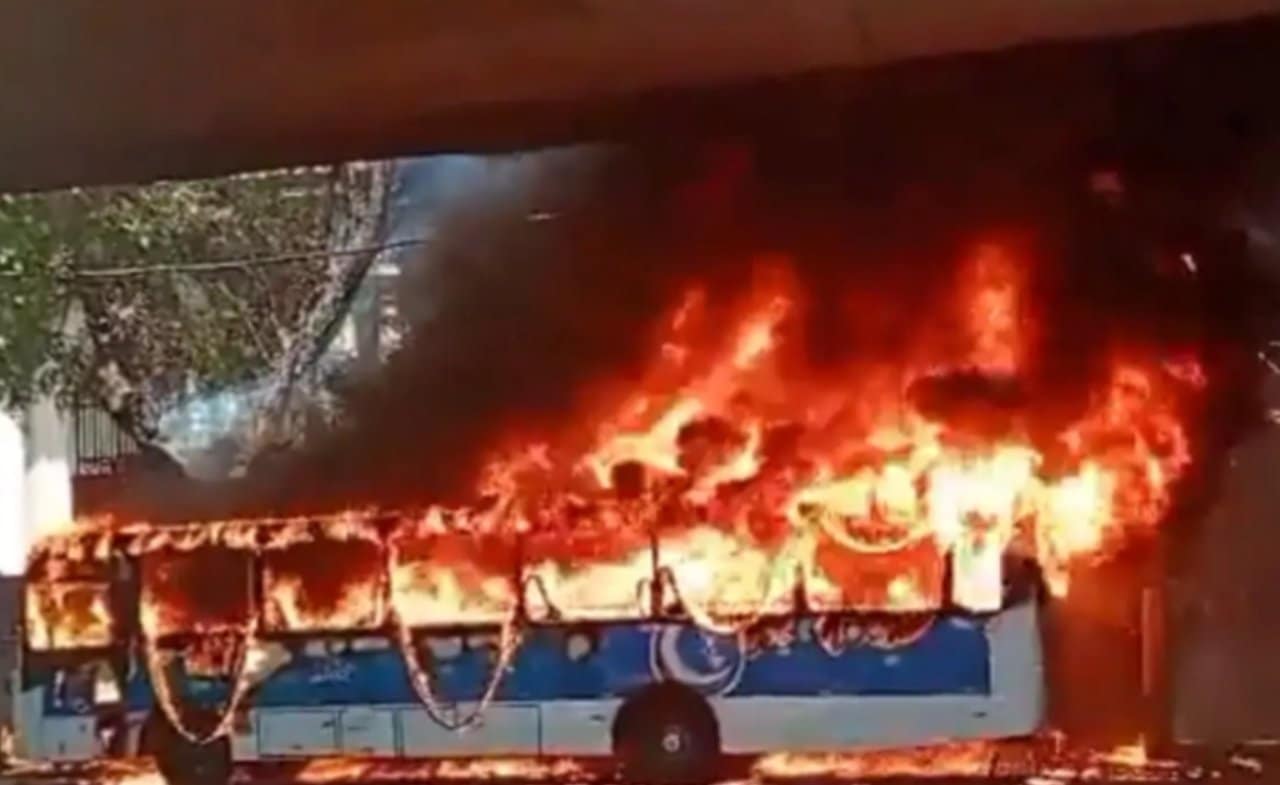 |
An intense criminal action shocked the residents of Rio of Janeiro this morning, when a bus was set on fire in the busy Avenida Paulo of Frontin, close to the access to Túnel Rebouças. The incident, orchestrated by drug traffickers, is seen as a clear retaliation for an operation carried out by Batalhão of Operações Policiais Especiais (Bope) in the community of Morro of Prazeres, in Santa Teresa. The act caused panic and significant disruptions to traffic and essential services in the capital of Rio de Janeiro.
The flames quickly consumed the vehicle, transforming one of the city’s main roads into a scene of tension and chaos. Testemunhas reported the arrival of armed men who forced passengers to get out before setting fire to the bus, a tactic commonly used by criminal groups to intimidate and demonstrate force in the face of police actions. Equipes of Corpo of Bombeiros were called to control the fire, while Polícia Militar reinforced policing in the region.
The retaliatory action reflects the persistent dispute for territorial control and the resistance of criminal factions to incursions by security forces. The Bope operation, which aimed to dismantle drug sales points and arrest drug trafficking leaders in Morro of Prazeres, triggered a violent response that reverberated throughout the central area and surrounding areas, impacting thousands of citizens on their daily commute.
This episode of violence highlights the complexity and challenges faced by authorities in maintaining public order and ensuring the safety of citizens in areas dominated by organized crime. The quick response of criminals demonstrates the fragility of the situation and the need for more robust and integrated strategies to deal with crime in Rio of Janeiro.
The escalation of urban violence and the response of security forces
The capital of Rio de Janeiro has been a frequent scene of clashes between criminal factions and the police, a scenario that intensifies with each new attack by security forces in conflagrated areas. The burning of vehicles, especially buses, has become one of the most visible and impactful methods of demonstrating power by drug traffickers, aiming not only at retaliation, but also at destabilizing public order and intimidating the population.
In response to these acts, security authorities reinforce patrols and seek to identify those responsible, but the cycle of violence often seems difficult to break. The overt presence of military personnel at strategic points and the carrying out of continuous operations are part of the strategy to try to contain the activities of criminal groups and regain control of territories.
Immediate impact on public transport and Rio’s routine
The bus fire on Avenida Paulo of Frontin had an immediate ripple effect on public transport and urban mobility. The closure of the road for firefighters and police caused extensive congestion, affecting thousands of people trying to get to work, schools or other appointments. Linhas buses had their routes changed or suspended, further complicating the situation.
The inconvenience caused by such acts goes beyond congestion, impacting the local economy and citizens’ perception of safety. Fear and uncertainty set in, leading many to rethink their journeys and adopt precautionary measures. Confidence in the public transport system is shaken, and bus companies face losses as vehicles are destroyed and demand falls.
History of retaliations and the cycle of confrontations
The practice of burning buses as a form of retaliation is not a new phenomenon in the recent history of Rio of Janeiro. Diversos similar episodes have been recorded over the years, generally after major police operations in favelas or the arrest of important drug leaders. Essa tactic seeks to pressure the authorities, divert the focus of operations and demonstrate that criminals still have the capacity for action and influence.
The Morro of the Prazeres, specifically, has a history of being a strategic point for drug trafficking, which makes it a constant target for operations. The proximity to important roads in the city and the complexity of its territory favor the actions of factions and make police action difficult. With each incursion by security forces, the expectation of a violent response from criminals increases, creating a vicious cycle of confrontations and retaliations that directly affects the lives of the population.
These acts of retaliation are not only a response to direct police actions, but also a message to the population and other rival groups. Eles aim to reinforce the idea that the parallel power exercised by the factions is still strong and that the authority of the Estado is constantly challenged. The destruction of public and private assets is a symbol of this struggle for control.
Government actions and public security strategies
Faced with the recurrence of these attacks, the state government and security forces have been called upon to present more effective and long-term strategies to combat organized crime. Immediate responses generally involve reinforcing policing and intensifying operations in conflagrated areas, but the need for structural actions is a consensus among experts.
These actions include investing in intelligence, decapitalizing criminal factions and improving social conditions in communities affected by violence. Além In addition, integration between different police forces and coordination with justice bodies are seen as fundamental to dismantling crime networks and ensuring that those responsible are punished. The creation of anonymous reporting channels and encouraging community participation are also important elements in this effort.
Community mobilization and the challenge of pacification
In the midst of a violent scenario, affected communities often organize themselves to seek solutions and demand effective action from public authorities. Lideranças Community communities and neighborhood associations play a crucial role in mediating conflicts, reporting abuses and promoting initiatives that aim to improve quality of life and local security. The resilience of these communities is put to the test with each new episode of violence, but the search for a safer future persists.
The pacification of areas previously dominated by crime is an ongoing challenge, requiring not only police presence, but also the implementation of public social policies, such as access to education, health, basic sanitation and employment opportunities. Sem social inclusion and economic development, police action alone often proves insufficient to break the cycle of crime. Active community participation is vital to the success of any long-term project.
Economic and social repercussions of the incident
In addition to the direct impact on citizens’ safety and routine, incidents such as bus fires have significant economic and social repercussions for the city. The material damage resulting from the destruction of the vehicle, the cost of mobilizing emergency forces and the loss of productivity resulting from traffic chaos are added to the intangible damages, such as the drop in confidence among investors and tourists, affecting the image of Rio and Janeiro as a safe destination.
The feeling of widespread insecurity can lead to a decrease in the movement of commerce and services in impacted regions, harming small entrepreneurs and self-employed workers. The population, in turn, faces constant psychological stress, living under the threat of new episodes of violence, which weakens the social fabric and makes it difficult to build an environment of peace and prosperity.
The burning bus episode is a stark reminder of the perennial challenges that Rio of Janeiro faces in the fight against organized crime and in the search for effective public security. The complexity of the scenario requires a multifaceted approach, which combines rigor in law enforcement with social investments and coordinated actions aimed at dismantling criminal networks and restoring hope in a more peaceful future for all Rio residents.