Silver price today: Sharp devaluation of silver and gold shakes investors in a scenario of global uncertainty
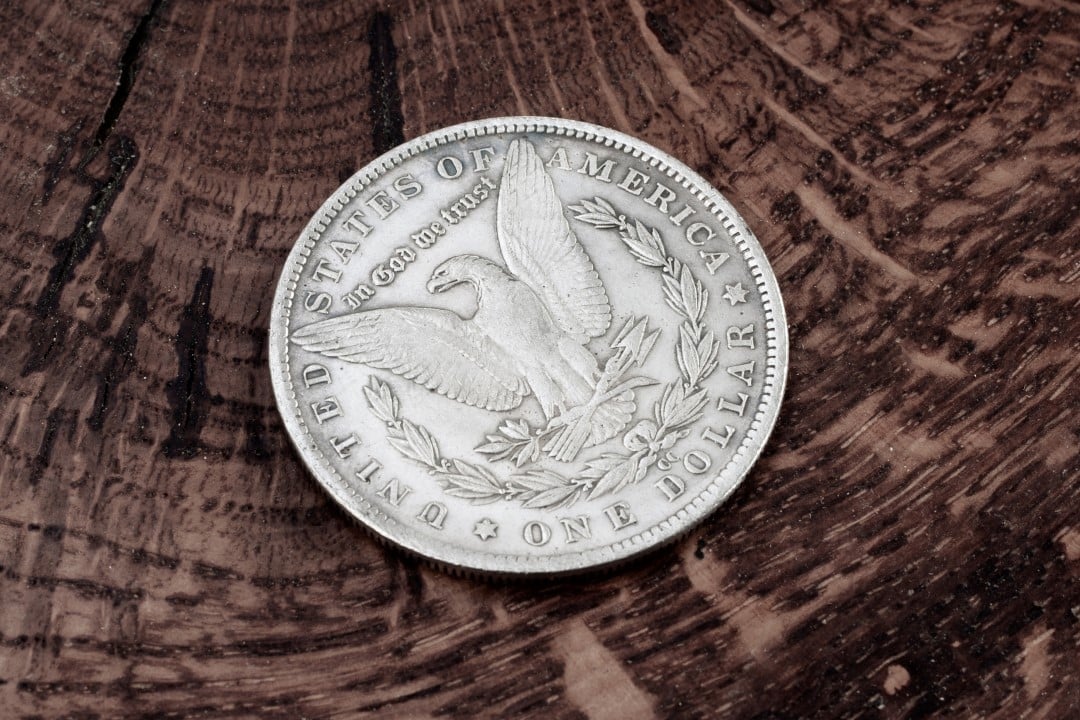
Precious metals markets have seen a sharp decline in value in recent sessions, with the price of silver and gold experiencing significant declines. Esse sudden movement captured the attention of investors and analysts, who seek to understand the factors behind such a reversal in assets historically considered safe havens in times of economic turbulence. Recent volatility highlights the complexity of global dynamics and the sector’s sensitivity to a series of interconnected variables.
The drop in precious metal values is not an isolated event, but rather a reflection of a confluence of events that have shaped the economic and geopolitical landscape. Analistas of the financial market indicate that the movement may be linked to a reassessment of risks by large investment funds, as well as a search for liquidity in other assets considered more attractive or less volatile at the moment.
This atypical behavior for gold and silver, which often appreciate in periods of instability, suggests a change in global risk perceptions. The market appears to be digesting new information and adjusting its strategies, which could lead to a period of greater caution and reevaluation of investment portfolios around the world. A deep understanding of these triggers is crucial for anyone operating or investing in these assets.
Factors driving the recent devaluation
Analysis of the factors that contributed to the recent devaluation of precious metals points to a combination of macroeconomic indicators and geopolitical developments. One of the key elements is the unexpected strength of the US dollar, which, in times of uncertainty, tends to attract investors looking for safety. Quando the dollar appreciates, commodities priced in US currency become more expensive for holders of other currencies, which can reduce demand and, consequently, their prices.
Another relevant point is the expectation of more restrictive monetary policies from global central banks. Taxas higher interest rates make fixed income investments more attractive compared to non-interest bearing assets such as gold and silver. If central banks signal or implement interest rate increases, the opportunity cost of holding precious metals increases, encouraging the sale and reallocation of capital.
Furthermore, the economic recovery in some regions, although still fragile, may have reduced the perceived need for safe haven assets. In growth scenarios, investors tend to seek assets with greater risk and greater return potential, such as shares and other variable income instruments, diverting the flow of capital away from precious metals.
Market reactions and future prospects
The drop in prices provoked mixed reactions among market participants. Alguns long-term investors see devaluation as a buying opportunity, believing in the resilience and intrinsic value of gold and silver in the long term. Outros, more speculative, may have liquidated their positions to avoid further losses or to capitalize on short-term movements. Volatility is a given.
Major hedge funds and investment banks are revising their forecasts for precious metals, considering the new variables at play. It is essential to observe how global economies behave in the face of inflation and geopolitical pressures. China, for example, is one of the largest consumers of gold and silver, and any changes in its economic policy or domestic demand could have a significant impact on global prices for these assets.
The future prospects for gold and silver will largely depend on the evolution of factors currently influencing the market. Uncertainty surrounding persistent inflation, central bank decisions and the unfolding of geopolitical tensions will continue to be points of attention. Eventuais signs of stabilization or a new cycle of monetary easing could once again boost demand for precious metals as a form of protection against currency devaluation.
Impact on investments and portfolio strategies
For investors, the recent devaluation of precious metals serves as a reminder of the importance of portfolio diversification. While gold and silver are seen as capital protectors, their performance is not immune to market complexities. Ter a well-defined strategy, which encompasses different asset classes, can help mitigate the risks associated with the high volatility of a single sector.
Monitoring economic indicators is crucial to understanding the bigger picture. Isso includes:
– Relatórios of inflation and deflation in the main economies.
– Decisões interest rates from central banks such as Federal Reserve (USA) and Banco Central Europeu.
– Movimentações exchange rates, especially the US dollar, which has a significant weight in the pricing of commodities.
– Desenvolvimentos geopolitical, including international conflicts and agreements that may affect global stability.
Additionally, understanding the flow of industrial supply and demand for silver is of great importance. Silver is not only an investment asset, but also a vital industrial commodity in sectors such as electronics, solar panels and medicine. The demand for these products can directly influence the price of the metal, creating a different dynamic to that of gold, which is predominantly a reserve and jewelry asset.
Scenarios and trends for the commodities market
The commodities market operates in a complex ecosystem, where multiple forces meet and clash. The devaluation of silver and gold needs to be seen within this broader context. Supply and demand, both for investment purposes and industrial use, play crucial roles. Global mine production, for example, is a supply factor that can be impacted by strikes, new discoveries or environmental policies.
On the other hand, demand from jewelry, central banks for reserves and institutional investors also shape prices. The behavior of these large players can generate buying or selling waves that move the market substantially. Speculation in the futures market, where buy and sell contracts are traded for future delivery, also adds a layer of complexity as expectations about future prices can influence current prices.
Furthermore, technological developments and changes in consumer preferences may alter the demand for precious metals in industrial applications. For example, the advancement of solar energy has boosted demand for silver. Novas technologies or the replacement of silver with other materials in some applications could have notable effects on long-term demand.
Technical analysis and market psychology
Technical analysis of price charts shows that the current decline has broken important support levels for both metals, generating a signal of caution for short-term traders. However, for investors with broader horizons, market psychology often dictates that big declines can be followed by recoveries, especially if the long-term fundamentals for the assets remain intact.
Investor confidence is a subjective but powerful component. In times of panic, selling tends to be amplified, while in periods of euphoria, prices can be inflated beyond their intrinsic values. The precious metals market, although considered a haven, is not immune to these waves of sentiment that sweep financial markets periodically.
The observed volatility serves as a stark reminder that even in assets considered safe, prudence and information are the best tools for navigating the complexities of the investment environment. Acompanhar expert analysis, but always with a critical sense, and understanding one’s own risk tolerance are essential attitudes for any investor.
Long-term trends and the role of precious metals
Despite short-term fluctuations, the long-term view for precious metals is often based on their historical role as a store of value and hedge against inflation. In a world where fiat currencies can lose purchasing power due to money printing or government policies, gold and silver maintain a unique appeal through their scarcity and global acceptance.
Many central banks still hold significant reserves of gold, which underlines its importance as a security asset. Países seek to diversify their reserves to protect themselves against the instability of specific currencies or financial crises. Essa institutional demand creates a support floor for prices in the long term.
Even though the market is challenging at the moment, history shows that precious metals tend to reevaluate their role in times of economic or geopolitical change. Entender the current context and projecting future scenarios based on concrete data is essential for those seeking to navigate this complex segment of the global financial market.