
Special screening of Monsters University gains ten additional minutes on television By Luís Henrique Costa
6 min read
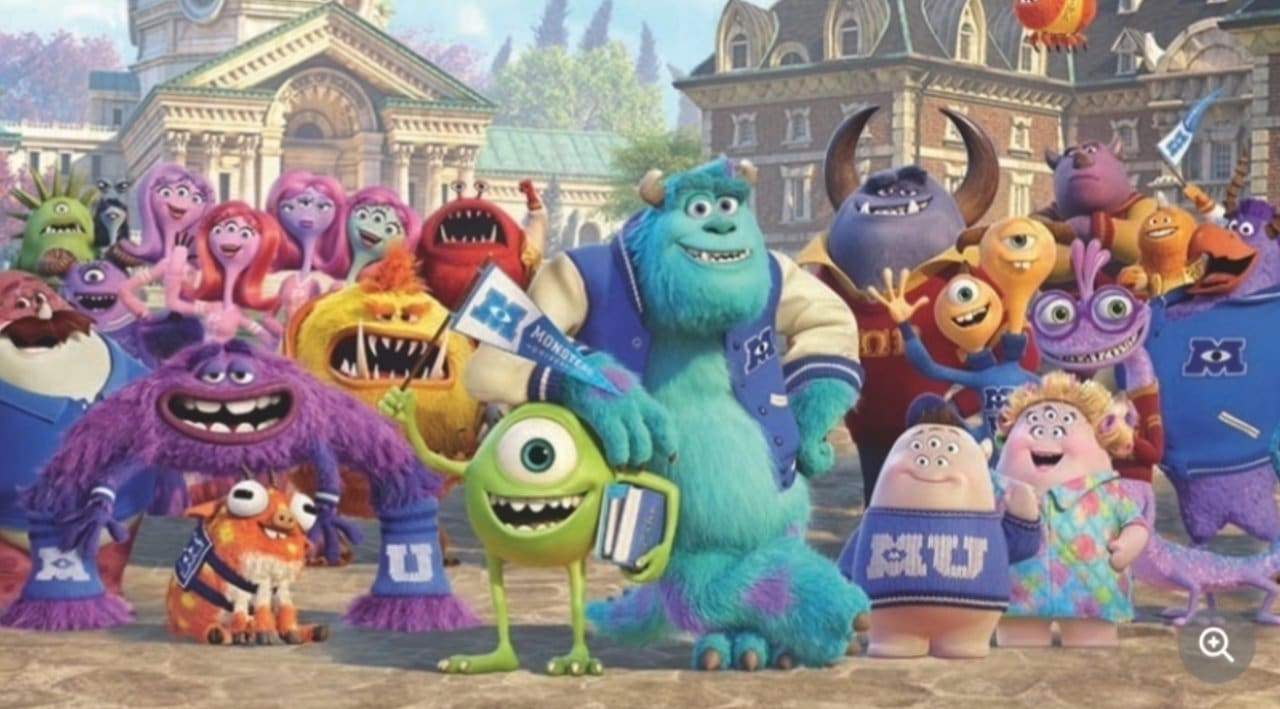 |
The Japanese television network scheduled a special screening of the animated feature film that tells the origin story of the friendship between characters Mike and Sulley. The broadcast takes place in the station’s traditional nightly film block, known for presenting major cinema productions to the local public, guaranteeing a fixed space for family entertainment on Friday nights.
What sets this specific broadcast apart is the addition of ten minutes of extra content after the main broadcast. The additional material consists of a short film focused on the same characters, offering a direct extension of the universe presented during the original animated work, with no commercial interruptions between the end of the film and the beginning of the bonus content.
Soon after this program, the broadcaster will begin a sequence of broadcasts dedicated to another highly popular franchise in the country. The schedule foresees consecutive weeks of films focused on investigation and mystery, changing the focus of the evening entertainment schedule to prepare viewers for future theatrical releases.
Development of initial rivalry in the educational institution
The film’s main narrative follows the academic journey of Mike Wazowski, a short, spherical-shaped monster who has the rigorous objective of becoming a professional scarer. Sua motivação surge ainda na infância, durante uma excursão escolar às instalações da principal empresa de energia do seu mundo, onde ele presencia a atuação dos profissionais de elite.
Upon entering university, he crosses paths with James P. Sullivan, a large monster who carries the weight of belonging to a famous lineage of scary people. Diferente of Mike, who dedicates intense hours to theoretical studies and memorizing techniques,
The difference in approaches and personalities generates immediate friction between the two students in the first weeks of class. The constant competition for prominence in practical classes results in incidents that harm their performance before the institution’s faculty, creating an environment of constant tension on campus.
The climax of this rivalry occurs during the final exam of the semester, when an accident caused by an argument between the two destroys valuable university equipment. Como direct consequence of the infraction and lack of discipline, the program director decides to expel the two students from the coveted scare course, forcing them to look for alternatives.
The dynamics of student competition and teamwork
To regain their place in the scare program, the protagonists sign an agreement with the university management, betting their stay at the institution in a traditional competition called Jogos of Sustos. The rule requires participation in teams, which forces the duo to join the Oozma Kappa fraternity, made up of monsters rejected by the academic system and without natural abilities to cause fear. The group must overcome elite fraternities in a series of physical and psychological tests that test stealth, agility, logical reasoning and, above all, teamwork under extreme pressure.
During training, the group’s dynamics undergo significant transformations, with members discovering how to use their peculiar characteristics strategically to overcome their physical limitations. Mike’s technical leadership combined with Sullivan’s brute strength creates a teaching method that raises the level of the Oozma Kappa team in unexpected ways. The tests include complex challenges, such as crossing a library without making sounds to avoid a giant librarian and simulating invasions of children’s rooms under adverse lighting conditions, requiring competitors to quickly adapt.
Additional content focused on college fraternity
The extra ten minutes added to the television broadcast correspond to the short film that shows the events that occurred shortly after the consolidation of the Oozma Kappa fraternity on the university campus. In the plot of this additional material, the members of the group decide to organize a party at their residence to celebrate their achievements, but face the total absence of guests, as all the students attended the rival fraternity’s event, Roar Omega Roar. Para solve the logistical problem, the characters use dimensional door stations, central equipment in the transport technology of the franchise’s universe, to create a secret shortcut between the two parties. Através through this ingenious spatial manipulation, they manage to discreetly steal the food, music and, eventually, the guests from the rival party, transferring everyone to Oozma Kappa’s residence without them noticing the change of location. The operation requires synchronization and rigorous planning, demonstrating the practical application of the infiltration skills that the characters developed during the student competition, resulting in a successful event that definitively raises the group’s social status at the university.
Transition from grid to investigation genre
After showing the monster universe, the network restructures its Friday programming to focus on the high school detective franchise Shinichi Kudo. The character, who was transformed into a child after being forced to ingest an experimental substance developed by a criminal organization, adopts the alias Conan Edogawa to solve complex crimes while searching for a cure for his physical condition.
The film marathon from this franchise will occupy prime time for four consecutive weeks, changing the audience profile. The initiative serves as a commercial warm-up strategy for the public, preparing viewers for the launch of a new film production of the investigative series in local cinemas, maximizing the brand’s reach.
Primetime audience retention strategy
The broadcaster’s film block has an established history of using themed screenings to maintain high ratings on Friday nights. The selection of animated feature films with a strong nostalgic appeal guarantees the attention of multiple age groups, from children who discover the works to adults who have followed the franchises since their origins in previous decades.
The inclusion of extra scenes or short films at the end of the main exhibitions works as a technical tool to avoid spectator avoidance during the credits roll. Essa tactic keeps television tuned to the channel for longer, directly benefiting audience measurement indices and valuing advertising spaces sold by the communication network.
Schedule for publishing investigative works
The sequence of miniature detective films features productions that marked different phases of the franchise throughout its extensive career in the media. The selection prioritizes stories that involve central figures in the criminal organization responsible for the protagonist’s condition, ensuring a thematic thread between the weekly exhibitions.
The broadcasts include the following structured highlights in the broadcaster’s programming:
- Screening of classic features that establish the fundamental rivalry between the detective and his main antagonists from the underworld.
- Presentation of recent works that introduce new allies in public security forces and intelligence agencies.
- Extended-length special episodes focused on historical artifact thefts and large-scale puzzles.
The curation of the films seeks to create a cohesive narrative for those who follow the marathon continuously on a weekly basis. Cada selected work offers clues and contexts that enrich the understanding of the series’ vast investigative universe, maintaining high audience engagement.
Cultural impact of streaming
Maintaining this exhibition format reinforces the role of open television as a primary vector of cultural consumption, even in the face of the accelerated growth of on-demand platforms. The collective experience of following scheduled programming, with fixed times and exclusive bonus content, preserves the relevance of the traditional broadcasting model in the contemporary entertainment scenario.



