
Crisis in the Strait of Hormuz cuts oil shipments and halts Yamayoshi potato production By Maria
6 min read
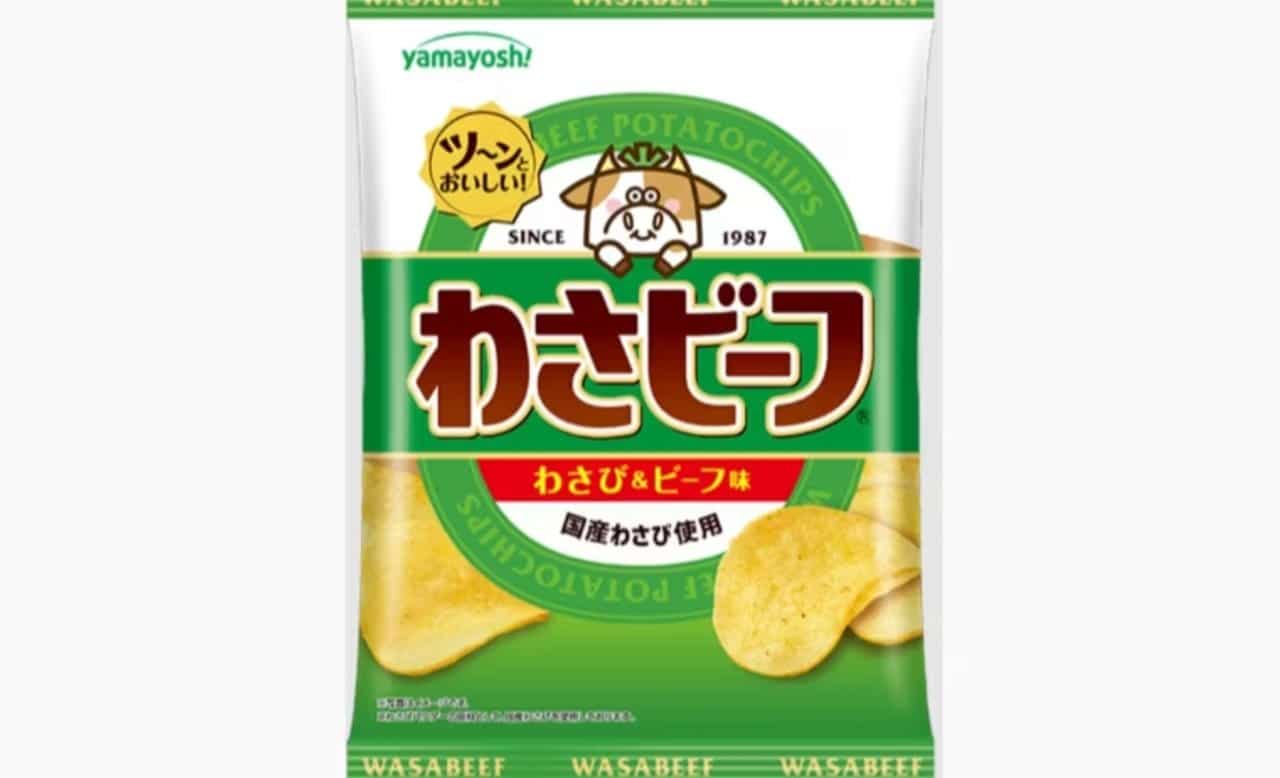 |
Japanese food manufacturer Yamayoshi Confectionery has halted production of its main products due to a serious supply chain failure. The measure directly affects the line of fries, including the popular meat flavor with wasabi, one of the company’s best-selling items in Ásia.
The trigger for this drastic decision was the interruption in the supply of heavy fuel oil, essential for the operation of the company’s industrial facilities. The shortage of the input is directly linked to the blockage of maritime routes in Estreito of Ormuz.
Without the necessary fuel to operate the frying boilers, the factory located in the province of Hyogo had to suspend its activities indefinitely. The situation exposes the vulnerability of the food sector in the face of international geopolitical tensions.
Asian market reactions and repercussions on the supply chain
The stoppage of activities at Yamayoshi generated immediate responses in the retail sector and among food distributors in Japão. Supermercados and convenience stores have already begun to report a lack of products on the shelves, requiring a quick adaptation of available stocks to meet the daily demand of local consumers.
To understand the dimension of the logistical problem, it is necessary to observe the factors that culminated in the interruption of manufacturing operations:
– Dependence on a weekly volume of 30,000 liters of heavy oil to keep the machinery running continuously.
– The impossibility of replacing fuel in the short term without changing the infrastructure of industrial boilers.
– The strangulation of maritime transport routes that connect oil producers in the Oriente Médio to Japanese ports.
Foreign trade experts point out that the crisis faced by the snacks manufacturer illustrates a structural flaw in the contingency planning of several industries that depend on continuous imports. The lack of diversification in the energy matrices used in food processing makes production lines extremely sensitive to any change in the flow of cargo ships, forcing abrupt stops that affect the entire distribution network up to the end customer.
Outage affects popular Japanese brand items
The suspension of manufacturing activities affects a total of six product lines that depend on the high-temperature frying system. Além of the meat and wasabi version, other popular options, such as potatoes flavored with salted meat and spicy cod roe mayonnaise, are also no longer manufactured.
These items represent a significant share of the company’s revenue within the Asian market. The interruption in supply creates a gap on the shelves, opening space for rival brands to try to absorb the demand temporarily suppressed by the lack of Yamayoshi snacks.
Suspension of online sales and pending deliveries
As a direct reflection of the stoppage at the Hyogo factory, the manufacturer’s e-commerce platform was deactivated for new purchases. Consumers who try to access the virtual store find a warning about the temporary impossibility of purchasing products directly from the company.
Despite the block on new orders, the company’s management assured that purchases made before the suspension was announced are guaranteed. The internal logistics sector is working with the remaining stock to dispatch orders already confirmed in the system.
Deliveries will be made sequentially, respecting the purchase order, to minimize inconvenience to customers. The measure aims to preserve consumer confidence while the board seeks solutions to restore fuel supply.
Energy dependence and the use of industrial boilers
The large-scale potato chip manufacturing process requires a massive amount of thermal energy. Yamayoshi industrial boilers are specifically designed to operate with heavy fuel oil, responsible for heating the vegetable oil used to fry food.
This type of fossil fuel is widely used in industry due to its high calorific value and historically affordable cost compared to other energy sources. However, the rigid infrastructure prevents a quick transition to natural gas or electricity in times of crisis.
Consumption of 30,000 liters per week highlights the scale of the operation and the severity of the lack of input. Sem this exact quantity, it is technically unfeasible to maintain the constant temperature necessary to guarantee the crispiness and quality standard required by the brand.
The strike exposes the need to modernize the food industrial park. Dependence on a single type of imported energy matrix puts business continuity at risk in scenarios of international instability.
The manufacturer’s official position on the strike
The board of directors of Yamayoshi Confectionery issued formal communications to clarify the situation to shareholders, commercial partners and consumers. The company highlighted that crisis management teams are in constant negotiation with energy suppliers in an attempt to facilitate alternative routes for the acquisition of heavy oil, although options in the Japanese domestic market are limited and insufficient to cover the volume necessary for the immediate resumption of production at full capacity.
To date, there is no defined deadline for the normalization of activities in the Asago unit. The company reiterated its commitment to resolving the logistical impasse as quickly as possible, but admitted that the resolution depends on external factors linked to the release of international maritime traffic. The lack of predictability affects the quarter’s financial planning and forces the company to adopt expense containment measures while the machines remain offline.
Geostrategic importance of the maritime route in the Oriente Médio
The Estreito of Ormuz functions as the main artery for the flow of hydrocarbon production from the The geography of the location, characterized by a narrow channel between Omã and Irã, makes navigation highly susceptible to military blockades, economic sanctions or armed conflicts. Quando the transit of oil tankers is interrupted or reduced in this region, the cascade effect immediately affects international prices for a barrel of oil and compromises the delivery of derivatives, such as heavy oil used by Japanese industry. The snack manufacturer’s situation is just a microcosm of the global consequences generated by the instability in this maritime passage, demonstrating how a diplomatic or military crisis thousands of kilometers away can paralyze factories and alter the daily lives of companies operating in sectors apparently disconnected from the geopolitics of oil.
Operational situation of competing companies in the sector
While Yamayoshi faces the shutdown of its lines, other giants in the snack market in Japão report stability. Calbee, one of the main leaders in the segment, reported that its operations remain normal and that it has not detected any failures in its energy input supply network to date.
Mitigation strategies adopted by other companies
Koikeya, another strong competitor in Asian retail, also confirmed that its production continues without changes, guaranteeing the regular shipment of goods to distributors. The crucial difference lies in the technology used in its modern factories, which do not depend on heavy fuel oil to heat their frying boilers, using different energy sources.
This technological diversity provides a significant competitive advantage in times of global energy crisis and instability in maritime routes. Empresas that invested in alternative or local energy sources are able to keep their shelves stocked, gaining market share over brands that suffer from severe logistical disruptions.
Search for logistical alternatives in the food industry
The episode reinforces the urgency of restructuring the supply chains of corporations that depend on critical imports to keep their doors open. Especialistas in logistics advocate the creation of strategic regional stocks and the signing of contracts with multiple energy suppliers to avoid the total shutdown of factories in the event of external blockades.
Adapting industrial machinery to accept different types of fuels also appears as a long-term survival measure in the corporate sector. Operational flexibility will be a determining factor in ensuring the stability of food production in the face of growing uncertainties in international maritime trade and constant fluctuations in the prices of energy commodities.



