

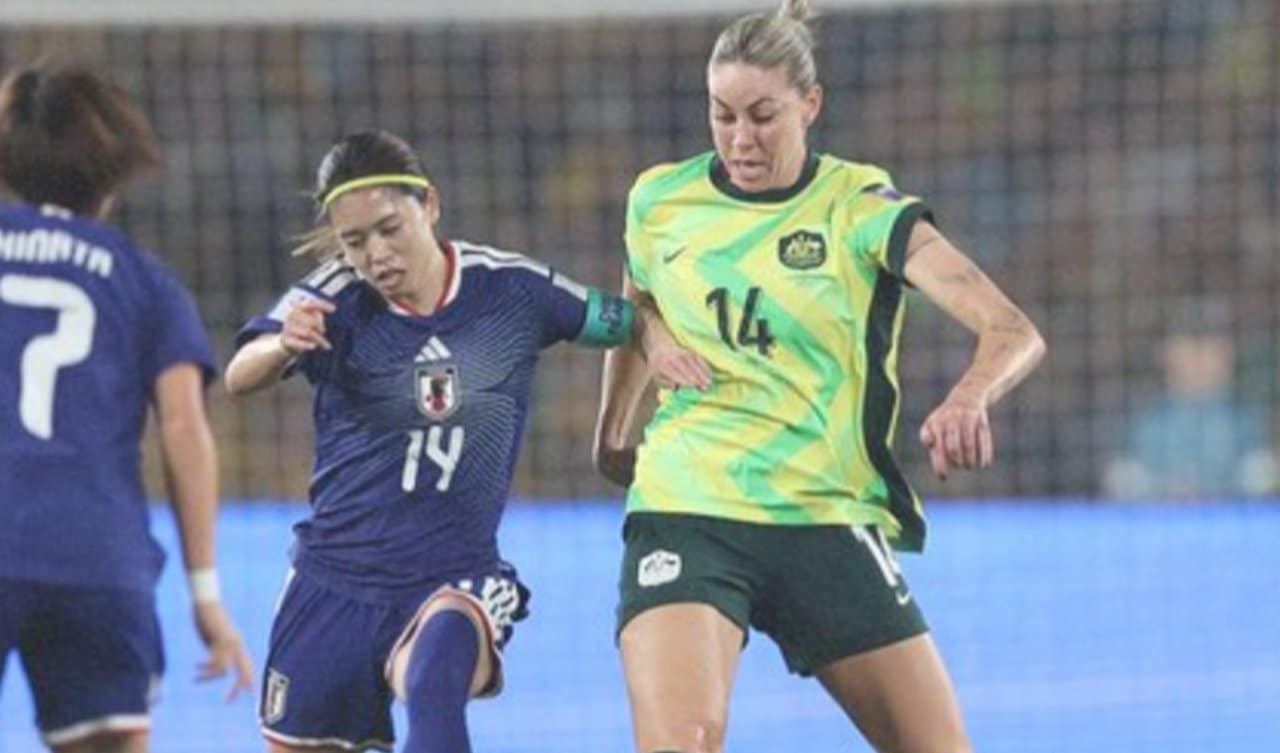
In a tense and exciting clash, the Japão women’s team, known as Nadeshiko Japan, lifted the prestigious 2026 Copa Asiática Feminina trophy. The team overcame hosts Matildas, from Austrália, with a narrow 1-0 victory in the final, consolidating their position as a powerhouse in continental football. The event, held on March 21, 2026, was marked by a vibrant atmosphere and high expectations.
The decisive match kept the fans in suspense until the last moments, with both teams demonstrating great commitment and resilience on the field. The solitary goal that set the score guaranteed Japão another continental title, adding an important achievement to its already rich history on the international women’s football scene.
For Austrália, the result represented a painful defeat at home, especially after having hosted Copa of Mundo in 2023. The hope of crowning a successful cycle with the title in front of their passionate fans did not materialize, leaving a feeling of frustration, but also of pride, among the players and the Australian public.
The decisive battle on the field
The game was marked by a remarkable tactical balance from the first minutes, where the Japanese defensive discipline stood out against the offensive pressure of the Matildas. The confrontation began with both teams studying each other, resulting in a first half without any clear chances, but with a lot of physical intensity in midfield.
It was clear that the final would be decided in the details and in the ability to take advantage of rare opportunities. The local fans pushed Matildas, who sought the goal with more volume, while Japão appeared more restrained and focused on quick transitions and the solidity of their defensive system, which remained irreducible throughout the competition.
The intensity increased considerably in the second stage, with the Matildas incessantly looking for the equalizer and, subsequently, the turnaround. Contudo, the Japão defense, led by an inspired performance from their goalkeeper Ayaka Yamashita, proved impenetrable, frustrating all Australian attempts to find the net.
Japanese performance and highlights
Japão’s victory was not just a triumph of individual skill, but a testament to the team’s impeccable collective cohesion and strategy. The Japanese players demonstrated remarkable control of the midfield, using precise passing and constant movement to wear down the opponent and create spaces.
The ability to maintain possession of the ball, combined with quick recovery in case of loss, was crucial in neutralizing Australian attacks and dictating the pace of the game. Although the final was not full of goals, the Japanese efficiency in the few chances created was enough to define the score and secure the cup.
Team Nadeshiko Japan displayed a winning mentality, demonstrating calm under pressure and executing their game plan masterfully. Japão’s journey to the final was marked by consistent performances, overcoming challenging opponents and showing why they are considered one of the dominant forces in Asian women’s football.
Experience in decisive games seemed to favor the Japanese side, who knew how to manage the pressure of a final against the home team and secure the result with maturity. The effusive celebration after the final whistle reflected the importance of the achievement for the squad and coaching staff, who meticulously planned each step towards the title.
The disappointment of the Matildas at home
As Matildas entered the field with the ambition of presenting their fans with an unprecedented title at home, but they came up against the solidity and tactical organization of the Japanese team. Apesar although they created some of the best chances in the match, the finishing was not accurate when it mattered most.
Alanna Kennedy, one of Austrália’s top scorers in the tournament, had a golden opportunity with a crucial header in the final minutes. However, goalkeeper Yamashita made a decisive save, denying what could have been the equalizing goal and potentially changing the course of the match.
Other attempts came from important players like Emily Van Egmond, Mary Fowler and Torpey, who struggled to break through the Japanese defensive wall. The pressure in the final minutes was intense, with the Australians advancing the attack line and even goalkeeper Mackenzie Arnold venturing into the opponent’s area in search of a miracle.
The persistence of the Matildas, who won a corner in stoppage time as a last-ditch effort, demonstrated the team’s fighting spirit and determination not to give up. Contudo, the ball did not find the net, and the dream of the home title fell apart with the final whistle, leaving the players and the Australian nation in a state of profound sporting disappointment.
The post-game scenario for Austrália
After the bitter defeat, the Matildas performed the traditional lap of honor around the stadium, a bittersweet moment for many of the athletes. Para some players on the squad, the Copa Asiática Feminina of 2026 may have been the last major tournament played on Australian soil. The generation that shone in the Copa of the Mundo of 2023 and in this Copa of the Ásia now faces a horizon without major international competitions scheduled to be hosted in the Austrália, which makes the pain of defeat even more palpable for these athletes. Elas say goodbye to a cycle with a result that, despite not being what was expected, does not erase the dedication and talent shown throughout the tournament. The image of captain Sam Kerr after the final whistle reflected the deep disappointment of the entire team and the nation, which expected to celebrate the continental title.
The Japanese title celebration
In contrast to the Australian sadness, the Japanese side exploded in euphoria on the pitch. The Japão players, visibly moved, celebrated the victory in an infectious way, gathering together and lifting the trophy to the delight of their technical team and the fans present. Cada hug and every smile expressed the joy of a much-desired achievement, the result of hard work and meticulous preparation.
Winning the 2026 Copa Asiática Feminina reinforces the Japão’s status as a dominant power in continental women’s football, demonstrating the strength of its athlete development program and the resilience of its players at crucial moments. The trophy raised represents not just another title, but the culmination of a cycle of excellence and the achievement of a long-term objective for the Japanese football federation.
Final statistics and decisive moments
At the end of the regulation 90 minutes, plus the four minutes of extra time granted by the referee, the score remained unchanged at 0-1 in favor of Japão. The full statistics reflected the contested nature of the match, with Japão capitalizing on their only scoring opportunity effectively.
Despite the Australian final pressure, which included consecutive chances of Van Egmond, Mary Fowler on the rebound, Van Egmond again and then Torpey in the final minutes, the Japanese defense and the inspired performance of goalkeeper Ayaka Yamashita were decisive in maintaining the result and guaranteeing the long-awaited title.
The legacy of Copa Asiática
The Copa Asiática Feminina of 2026, despite its outcome for the home team, leaves a legacy of competitiveness and passion for women’s football. The tournament served as an important platform for the development of the sport in the region, showing the growing technical and tactical quality of the Asian teams. The final between Japão and Austrália, in particular, demonstrated that the future of women’s football in the Ásia is promising, with teams increasingly prepared for major international challenges.