New generation of the BMW i3 electric sedan achieves a range of 700 km with an ultra-fast charging system
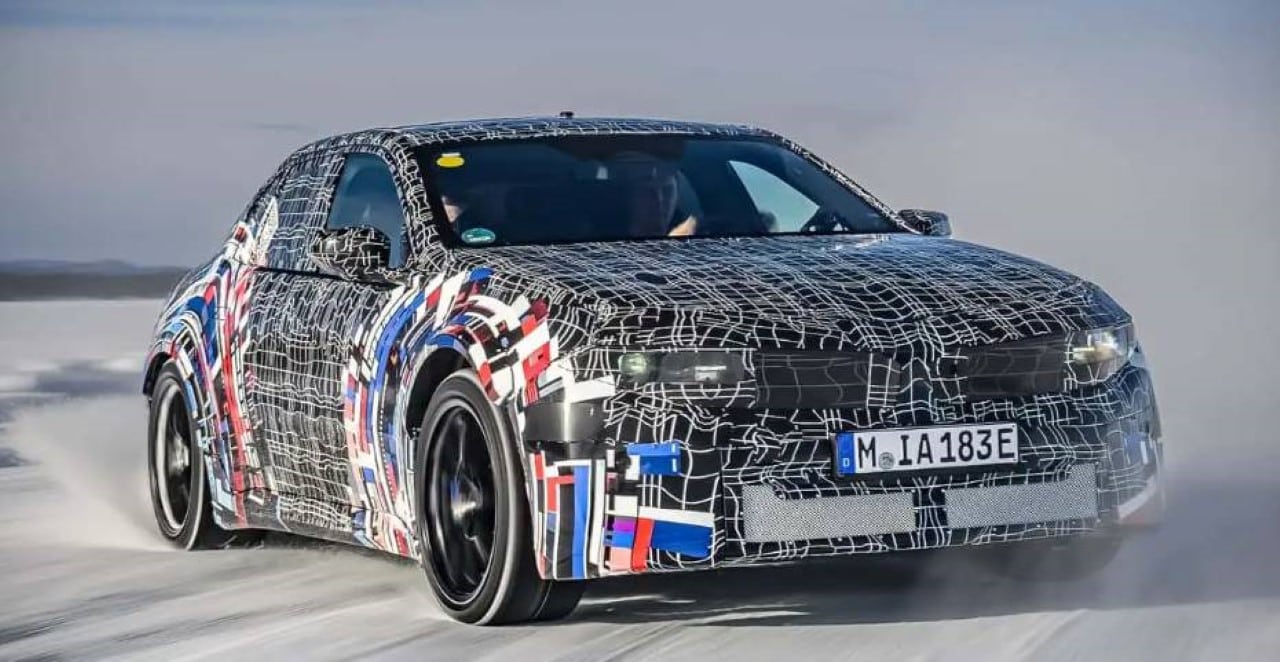
The German automaker has made official the technical and visual details of its latest zero-emissions-focused vehicle, marking a profound transition in its global assembly line and the way energy is managed. The project, developed under an unprecedented vehicle platform, aims to redefine energy efficiency and performance standards in the automotive luxury segment. Engenheiros of the brand have worked intensely in recent years to consolidate an architecture that supports rigorous market demands, integrating direct innovations in propulsion, force storage and advanced aerodynamics. Initial manufacturing will take place in European industrial complexes, with expansion planned to other strategic regions of América and Norte to serve the market globally.
The launch schedule establishes the start of mass production for the month of August, concentrating the first units at the Debrecen factory, located at Hungria. Esta manufacturing unit operates with strict carbon neutrality guidelines, eliminating the use of fossil fuels in its daily processes and focusing on industrial sustainability. The choice of location reflects the company’s new policy of decentralizing the production of electric vehicles, bringing assembly closer to European technological development centers.
Subsequently, the assembly lines in Munique, in Alemanha, and in San Luis Potosí, in México, will also receive the necessary adaptations to manufacture the new model on a large scale. Essa factory distribution strategy guarantees simultaneous supply to the main consumer markets of Europa and Américas, mitigating logistical risks and reducing waiting times for buyers interested in the new electrification technology.
Electrical architecture and advanced charging system
The vehicle’s technological core is based on an 800-volt electrical system, designed to withstand intense energy flows without compromising the integrity of the internal thermal components. Essa robust structure allows the integration of the sixth generation of the automaker’s propulsion system, optimizing direct power delivery to the wheels and reducing the total weight of the mechanical assembly.
During approval tests, recharging capacity reached peaks of 400 kW in high-performance direct current stations. In practice, this technical specification makes it possible to recover approximately 440 kilometers of autonomy in just 10 minutes when connected to the energy terminal, facilitating long-distance trips.
Dynamic performance and engine specifications
The top-of-the-line mechanical configuration features a dual-motor arrangement, intelligently distributing traction between the front and rear axles. Esse all-wheel drive system has been calibrated to offer immediate responses to the accelerator, maintaining directional stability in different grip conditions on the asphalt.
Engineering data indicates that the combined power of the electric thrusters reaches 463 horsepower in the high-performance version. Essa driving force guarantees vigorous acceleration, aligning the sedan with the standards of sportiness and handling historically associated with the German manufacturer’s vehicles in its most powerful divisions.
In addition to raw power, electronic engine management works continuously to minimize energy waste during urban and highway driving. Sensores monitor rotation and torque demand millisecond by millisecond, adjusting electrical delivery to maximize overall package efficiency and save stored charge.
Innovations in battery energy density
Energy storage has undergone a complete overhaul, abandoning the traditional prismatic shape in favor of new generation cylindrical cells. Essa geometric change allowed better use of the internal floor space, reducing the total height of the vehicle without sacrificing load capacity or occupant comfort.
The chemical composition of the new cells has a 20% higher energy density when compared to the accumulators used in the brand’s current electric models on the market. Isso means that more electricity can be stored in the same physical volume, resulting in an extended range for long journeys without the need for frequent stops.
The WLTP test cycle, a standard used in the Europa to measure consumption and efficiency, certified a maximum range of 700 kilometers on a single full charge. Esse number places the sedan in a highly competitive position against the main competitors in the premium zero-emission segment available globally.
From an environmental engineering point of view, the manufacture of these batteries requires a significantly smaller amount of cobalt, a mineral whose extraction generates debates about socio-environmental impacts. The reduction in dependence on critical materials reinforces the corporate responsibility guidelines adopted by the automaker for the next decade of automotive production.
Aerodynamic design and structural efficiency
The body was sculpted with absolute focus on reducing aerodynamic drag, a determining factor in preserving battery charge at cruising speeds on highways. Elementos visuals inspired by the brand’s recent concepts were applied not only for aesthetic reasons, but to optimally direct airflow around the chassis. Soluções of engineering, such as recessed door handles and wheels with a closed design, directly contribute to reducing lateral turbulence, while the completely flat floor prevents the formation of low pressure zones under the vehicle, ensuring that air flows without mechanical resistance.
In some specific configurations, traditional exterior rear-view mirrors can be replaced by high-definition cameras, further reducing the frontal area exposed to the wind and improving the aerodynamic penetration coefficient. The interior of the cabin also reflects this minimalist and functional approach, using recycled materials and simplified control panels that reduce the car’s overall weight on the scales. The combination of lightweight materials in the metal structure and an exterior design improved in wind tunnels results in substantially lower energy consumption per kilometer driven than previous generations of electric vehicles in the same category.
Software integration and central processing
Artificial intelligence and data processing take on a central role in the sedan’s daily operation, thanks to an entirely new electronic architecture that centralizes commands on high-capacity internal supercomputers. Instead of dozens of independent control modules scattered throughout the car, the new system groups dynamic driving, battery management and entertainment functions into unified, redundant processing cores. Essa advanced network topology allows for much faster and deeper remote software updates, capable of changing suspension parameters, engine response and regenerative braking algorithms without the need for physical visits to authorized dealers. Adicionalmente, the vehicle leaves the factory prepared to receive higher-level autonomous driving systems and supports bidirectional charging technology, allowing the energy stored in the battery to be used to power homes or return electricity to the public grid during times of peak energy demand.
Strategic positioning in the global market
The introduction of this vehicle architecture represents a decisive commercial move for the automaker to maintain its relevance in the electrified automotive sector in the face of new entrant brands. The sedan not only replaces previous models, but inaugurates an entire family of vehicles that will share the same technological base, diluting research costs and accelerating the fleet’s complete transition to electric engines.
Production and supply chain perspectives
Restructuring the factories to accommodate the new platform required massive investments in precision robotics and training of personnel specialized in high voltage systems. The assembly line was designed to operate with maximum flexibility, allowing rapid adjustments to the production cadence as global demand for luxury electric vehicles fluctuates.
Suppliers of electronic components and semiconductors were integrated from the early stages of the engineering project to avoid logistical bottlenecks that have severely affected the industry recently. Essa vertical integration and strict control over the origin of raw materials ensure that the delivery schedule to end customers is met without significant interruptions in the production chain.