
NTT Docomo increases exchange program rate and increases effective cost of the new iPhone 17e in Japan By Luís Henrique Costa
5 min read
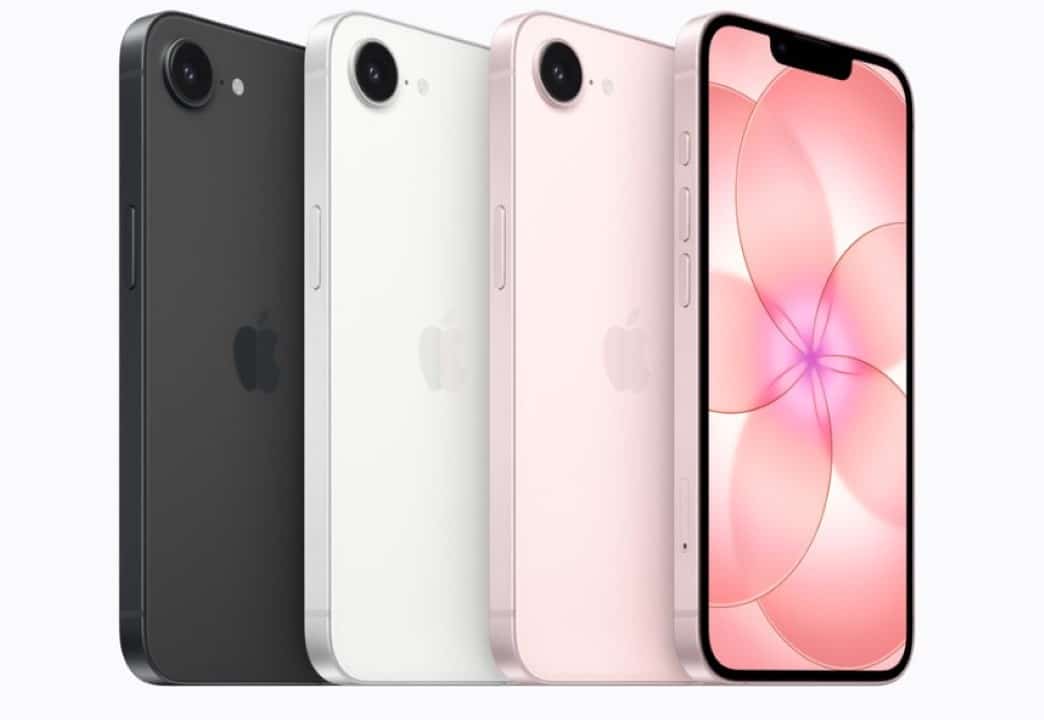 |
The telecommunications operator NTT Docomo has implemented a substantial change in its pricing policy for the acquisition of mobile devices, directly affecting consumers interested in recent Apple launches. The introduction of a new usage fee for the device return program generated a significant increase in the final amount paid by customers. The measure has a severe impact on sales of the recently launched iPhone 17e, changing the competitive dynamics of the telephone sector. Adjustments to residual values and additional fees have created a notable disparity between the different contracting modalities available in physical and online stores.
Changes to the billing structure of plans
The new policy establishes the charging of a usage fee that can reach a ceiling of 22,000 yen for participants in the device exchange program. Esta amount is added to the total financed amount, modifying the smartphone’s depreciation calculation over the loyalty period required by the company.
The financial burden falls on users who choose to return the device after a predetermined cycle of months to deduct future installments. The requirement for extra payment unbalances the perception of economic advantage that previously attracted consumers to this subsidized acquisition format.
Price disparity and acquisition modalities
The 256 GB model of the iPhone 17e is sold by the operator for 119,900 yen, a price higher than that charged by the manufacturer on its official channels. Apple offers the same equipment for 99,800 yen for direct purchases, without links to data plans or extended loyalty requirements.
After paying 24 monthly payments, the residual value of the equipment varies depending on the type of contract signed by the customer. Para users who carry out number portability or subscribe to new lines, the outstanding balance estimated by the operator is set at 76,560 yen.
For old customers who only request a device update, the residual value drops to 60,720 yen. The decision not to return the phone at the end of the cycle transfers this cost entirely to the consumer, eliminating any financial benefit from the trade-in program.
Cost variations between portability and upgrade
The number portability modality, known by the acronym MNP, traditionally offers the most aggressive conditions for attracting new subscribers. The operator applies a welcome discount focused on 5G technology, which deducts 43,307 yen from the initial cost of the equipment at the time of contracting.
Even with this incentive, the inclusion of the new fee of 22,000 yen increases the practical cost of the operation to approximately 22,033 yen at the end of the exchange period. The financial scenario presents considerably more onerous contours for the customer base that has already been established at the company for years.
Updating devices for active users does not have the same aggressive subsidies applied to acquiring new telephone lines. The effective cost for this specific group reaches 81,180 yen, demonstrating a commercial policy aimed at market expansion to the detriment of retention.
The financial difference between a new customer and an old user who purchases the same product can exceed the margin of 50,000 yen. Essa discrepancy raises questions about the fairness of the offers available at physical points of sale throughout the country.
Exemption strategies in the digital environment
E-commerce appears as an alternative route for consumers seeking to mitigate the impact of new tariffs imposed by the operator. Transactions carried out through the company’s official online store often do not require administrative fees and processing costs that are mandatory for face-to-face service. The exemption from the 22,000 yen fee in the online environment represents a direct and immediate saving, changing the purchasing route for a significant portion of the public who prefer self-service.
The digitalization of service reduces the telecommunications company’s operating costs, justifying the offer of more favorable conditions on the internet. Customers who are familiar with the online platform are able to guarantee the maximum discount allowed by the rules of the exchange program, keeping the effective cost of the smartphone at levels closer to those practiced in previous generations. The migration of the sales flow to the official website is an expected movement and encouraged by the pricing structure formulated by the commercial department.
Direct comparison with the previous generation
Analysis of price history reveals a drastic change in the company’s business approach when we compare the current situation with the launch of the iPhone 16e last year. On Naquela occasion, the difference in effective cost between number portability and a simple device exchange was substantially smaller, not exceeding the barrier of tens of thousands of yen. The previous model had a portability discount of 42,570 yen and a residual value set at 66,000 yen, resulting in a practical cost of just 1,210 yen for new customers who subscribed to the installment plan with refund. Para old users, the expense was around 38,280 yen. The transition to the new generation of smartphones brought an increase of more than 50,000 yen in the real cost for certain categories of consumers, representing one of the biggest pricing jumps ever recorded in the operator’s portfolio. The change in the parameters for calculating the residual value and the introduction of unprecedented rates distorted the attractiveness of the loyalty program, forcing the market to reevaluate the feasibility of acquiring premium phones through contracts linked to long-term data plans.
Movement in the telecommunications market
The restructuring of price tables reflects an attempt by the operator to balance expenses with handset subsidies and the need to maintain the profitability of operations. Offering massive discounts to capture competing lines requires financial compensation at other stages of the contract, resulting in higher service fees and residual values of state-of-the-art equipment.
Direct Purchase Alternatives
Purchasing a smartphone directly from the manufacturer appears to be the most transparent solution for users who wish to avoid the complexities of telephone contracts. Payment of the full amount of 99,800 yen eliminates any refund obligations, surprise fees or minimum stay requirements linked to termination fines.
Freedom of choice allows the consumer to use the device for as long as they deem necessary, maintaining definitive ownership of the electronic good. Selling the device on the used market later can recover part of the initial investment, without intermediation or restrictive rules imposed by the original operator.
User retention dynamics
The disparity in handset upgrade costs puts legacy customers at a distinct disadvantage, encouraging churn among telecommunications companies. The absence of robust benefits for the installed base encourages the search for portability offers in the competition, creating a continuous cycle of subscriber migration in search of the lowest cost of acquiring cutting-edge hardware.
Operators use high-end smartphones as the main bargaining tool to move market shares. The imposition of strict rules and the increase in the effective cost of premium devices signal a change in the business model based on aggressive subsidies, pointing to a scenario where service plans and device sales will move increasingly independently on virtual and physical shelves.



