
Regulatory agency reveals technical specifications and new look of the Motorola Razr 70 smartphone

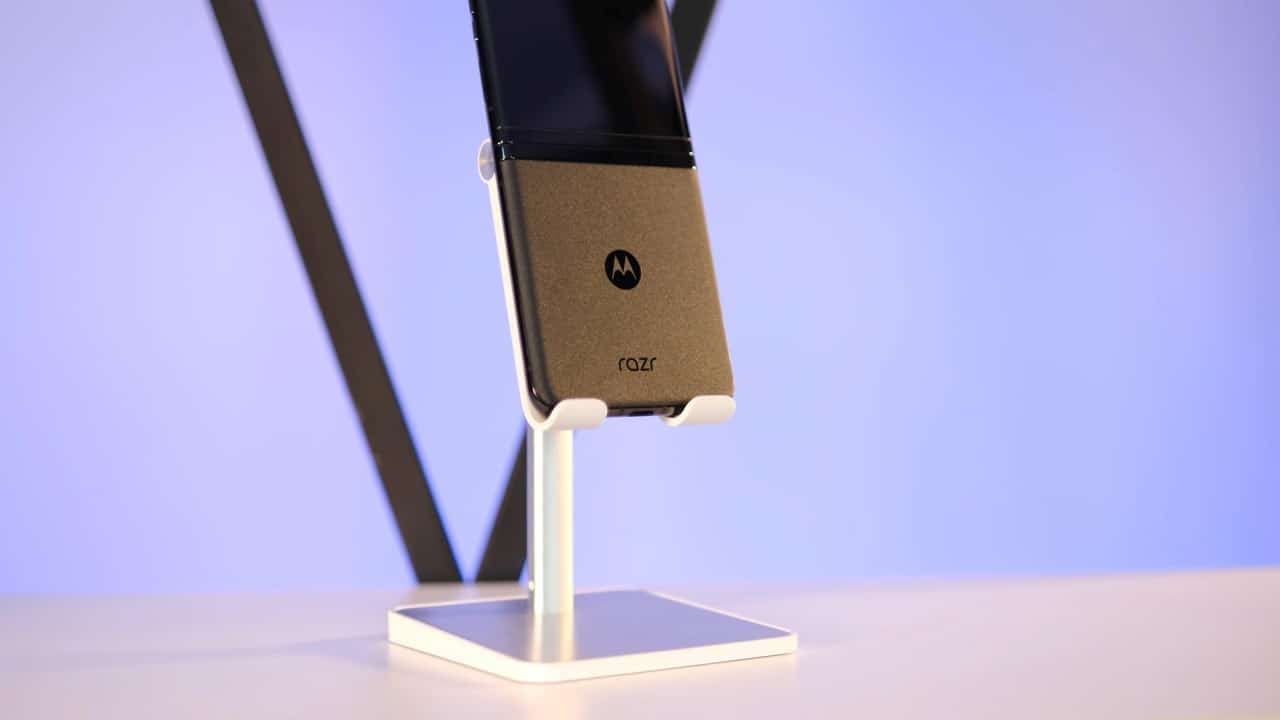
Recent documents from Asian approval bodies have exposed the hardware details and visual identity of the North American manufacturer’s next foldable device. The model, identified by the technical code XT2657-2, had its characteristics registered in the database of the Chinese agency TENAA, revealing the complete technical sheet of the equipment. Documentation includes high-resolution images that confirm the physical proportions and positioning of the device’s external components.
The information recorded points to the maintenance of an aesthetic line already known by consumers, but with significant updates to internal components and the articulation structure. The official registration precedes the formal product announcement and provides in-depth technical insight into the engineering that went into developing the phone. The data leak occurs at a time of high competition in the mobile device sector with flexible screens, requiring constant innovation from manufacturers.
The company focuses its efforts on improving the daily use experience through improvements in processing, memory capacity and power autonomy. The engineering strategy focuses on solving the historical limitations of foldable devices, such as screen durability and thermal management in a reduced chassis. The new model represents the continuity of a family of products that seeks to consolidate the flip format in the high-end telephone market.
Visual identity and external finishing options
The physical structure of the new equipment preserves the fundamental features of the previous generation, optimizing the use of the external panel from end to end. The design strategy aims to maintain familiar ergonomics for users, ensuring that one-handed handling remains efficient and safe. The hinge mechanism has been restructured internally to reduce the central crease of the flexible screen and increase resistance against the ingress of dust and solid particles.
The images attached to the certification process reveal a light pink variant, which covers the entire length of the aluminum chassis and the protection of the central articulation. Essa chromatic choice indicates a commitment to differentiated visual appeal to attract consumers who value the personalization of their electronic devices. The back finish features a matte texture designed to minimize fingerprint marks and improve grip during everyday use.
Image display panel specifications
The flexible main display features OLED technology and measures 6.9 inches diagonally when the device is fully opened. The resolution established for this internal screen is 1080 x 2640 pixels, ensuring high pixel density for media playback, text reading and fluid navigation in the operating system interface. The panel supports high refresh rates to provide smoother image transitions.
On the outside, the device houses a 3.63-inch secondary screen with a resolution of 1056 x 1066 pixels, which dominates the upper half of the device. Este component occupies a significant portion of the lid and allows quick tasks to be performed without the need to unfold the main chassis. The glass protection on this panel has been reinforced to withstand accidental impacts and scratches.
The smaller dashboard interface supports the display of detailed notifications, interactive widgets, and the operation of basic messaging and map apps. Software integration has been adjusted so that the transition between the two screens occurs seamlessly, allowing an action started on the external display to be continued on the main screen when opening the phone.
Photo capture system settings
The camera array was designed to meet the demands of photography in different lighting scenarios, incorporating high-resolution sensors on both sides of the device. At the rear, the photographic module is made up of two different lenses, each equipped with a 50 megapixel sensor. Esta dual configuration allows capturing images with a high level of detail, in addition to facilitating video recording in high definition formats. The system takes advantage of optical image stabilization and advanced processing algorithms to reduce visual noise in low-light environments, ensuring clear recordings regardless of external conditions.
For video calls and traditional self-portraits, the internal display houses a front camera with a resolution of 32 megapixels, positioned in a small circular cutout at the top of the flexible screen. The device’s architecture also allows the user to use the main dual 50-megapixel array to take high-quality selfies, simply by keeping the phone closed and using the 3.63-inch external screen as a real-time viewfinder. Essa Versatility is one of the main advantages of the foldable format in the mobile photography segment, eliminating dependence on lower capacity front sensors for the production of visual content.
Processing capacity and internal hardware
The smartphone’s central processing unit is based on an eight-core architecture, designed to balance high performance and energy efficiency in battery consumption. The maximum operating frequency reaches 2.75 GHz, providing speed when opening heavy applications and executing multiple simultaneous tasks. The processor’s lithography ensures stable operation even under computational stress.
The exact chipset model has not yet been detailed in the certification documents, but the clock specifications suggest a component aimed at the premium segment of mobile devices. The integration of this processor aims to guarantee fluidity in electronic games with advanced graphics and in media editing software. The hardware also has neural processing units dedicated to native artificial intelligence functions.
The device’s thermal management has been resized to accommodate the new processor within the compact, foldable chassis. The heat dissipation system acts directly on the motherboard and uses high conductivity materials to spread the temperature across the metal structure. Esta engineering prevents abrupt drops in performance during prolonged periods of intense use or recording videos at full resolution.
Connectivity hardware includes native support for fifth-generation mobile networks, as well as updated short-range wireless communications protocols. The antenna has been repositioned along the metal edges to optimize signal reception regardless of the position of use or the way the user holds the device. The satellite location system has also received accuracy improvements.
Memory and data storage options
The configuration portfolio offers a wide variety of choices, with RAM options ranging from 8 GB, 12 GB, 16 GB and up to 18 GB for the most advanced models. The internal storage space follows this hardware scalability, offering factory versions with 128 GB, 256 GB, 512 GB and a top variant with 1 TB of capacity, definitively eliminating the need to use external expansion cards to save large files.
Energy autonomy and structural measures
The equipment’s electrical power is managed by a dual battery system, a common and necessary engineering solution in foldable phones to distribute the weight in a balanced way and optimize the small internal space of the two halves of the chassis. The combined nominal capacity of the power cells is 4,275 mAh, while the typical capacity estimated by testing agencies reaches 4,500 mAh, values that ensure continuous operation of the device during a full day of moderate use on mobile networks. In terms of physical dimensions, the device measures exactly 171.3 millimeters high, 73.9 millimeters wide and has a thickness of just 7.2 millimeters when it is fully opened in its bar format. The total weight of the set is 188 grams, keeping the product within the strict portability standards required for the compact foldable category. The certification issued by the regulatory body 3C also confirmed the presence of official support for fast charging technology with a power of 33W. Esta technical specification allows quick replenishment of the battery charge through the lower connection port, reducing the time the device needs to be connected to the electrical outlet.
Commercial availability and agency registration
Homologation by Asian regulatory bodies represents the final stage of validation before the start of mass production and commercial distribution of the product. The certification process ensures that the equipment meets all electrical safety, energy efficiency and radio frequency emission standards required by government telecommunications authorities.
The device’s introduction to the Asian market is scheduled to take place in April, following the manufacturer’s usual portfolio renewal schedule. Informações details on the expansion of sales to the global market, partnerships with telephone operators and suggested prices for electronic retail will be officially announced in the coming weeks.



