
TVS launches iQube V1 electric scooter with battery rental at a starting price of Rs 49,999 By Luís Henrique Costa
6 min read
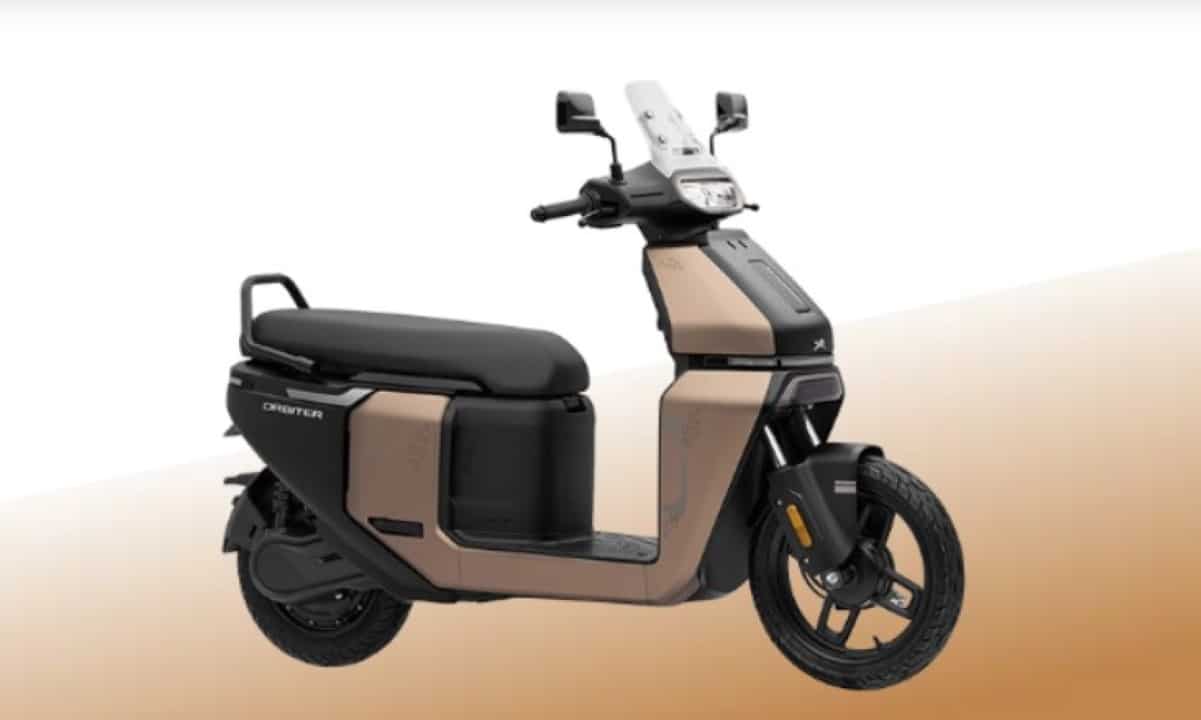 |
Manufacturer TVS Motor Company announced the introduction of a new sales model for its line of electric two-wheeled vehicles in the Asian market. The company now offers the iQube V1 electric scooter under the battery subscription format, technically known as Battery-as-a-Service (BaaS). The system allows the consumer to purchase the vehicle without the cost of the energy storage component included in the factory price.
With the removal of the battery price at the time of purchase, the initial value of the motorcycle is substantially reduced at dealerships. The entry-level model is now sold for 49,999 rupees, a value that already includes local government subsidies aimed at the energy transition. The strategy aims to reduce the financial barrier for new users of electric vehicles.
Owners who opt for this option will have to pay a monthly fee for using the battery, with plans starting at 862 rupees. The manufacturer assumes responsibility for the maintenance and useful life of the component during the period of validity of the subscription contract, guaranteeing the operability of the motorcycle throughout years of continuous use.
Cost structure and subscription plans
The signature format separates ownership of the vehicle from ownership of the battery, transferring the risk of technological degradation to the automaker. Customers only pay for the structure of the scooter and the electric motor at the time of purchase in physical stores or digital platforms. The battery remains an asset of the company, transferred to the user upon regular payment of the service fee stipulated in the contract.
The manufacturer has structured different subscription packages to suit different daily commute profiles. Contracts can be signed for periods of 24, 36 or 60 months, depending on consumer preference and estimated mileage for urban use. The warranty linked to the service covers the component for five years or until it reaches the 70,000 kilometers driven mark, offering security against premature failures.
Input model technical specifications
The iQube V1 version is equipped with a 1.8 kWh volumetric capacity battery pack. Este set provides enough power to deliver an approved range of 86 kilometers on a single full charge, following Indian driving test standards. The range meets average daily commuting needs within large urban centers, allowing trips to and from the workplace without intermediate recharges.
The charging system was developed to optimize the user’s time at charging stations or at common residential sockets. Restoring power from zero to eighty percent of the battery’s total capacity takes approximately two hours and twenty minutes. The maximum speed reached by the electric vehicle is electronically limited to 75 kilometers per hour, ensuring safety in traffic in metropolises and suitability for urban expressways.
For consumers who prefer the traditional purchase model, the automaker maintains the option of purchasing the vehicle in full. Sem joining the battery subscription program, the same electric scooter is sold for 84,500 rupees, a value that also includes the local government’s tax incentives for clean mobility. The duality of offer allows the customer to choose the financial format that best adapts to their long-term budget.
Embedded technology and connectivity features
The motorcycle’s instrument panel consists of a five-inch color TFT screen, which contains all vital operating information. The digital display offers high resolution and adaptive brightness for easy reading of data in direct sunlight or during night driving. The interface is designed to minimize driver distraction while displaying speed, charge level and available riding modes.
Integration with mobile devices occurs through a proprietary application developed by the automaker’s software engineering team. The system allows pairing via Bluetooth, enabling the turn-by-turn navigation function directly on the scooter’s screen. The feature eliminates the need to attach the smartphone to the handlebars, reducing the risk of theft and damage to the cell phone caused by vibrations or bad weather.
Property security and driver integrity received special attention in the development of the software embedded in the new line of trams. The vehicle has telematic sensors that detect sudden movements when parked, sending towing or attempted theft alerts to the owner’s phone. In the event of accidents, the system issues automatic collision notifications to emergency contacts pre-registered in the user’s profile.
The utilitarian chassis design favors the transport of small volumes and driver ergonomics during daily commutes. The storage space under the seat has a capacity of 30 liters, enough volume to store two standard-sized helmets or grocery shopping. The flat floor makes it easier to accommodate your feet and allows the safe transportation of backpacks or bags between the driver’s legs, increasing the model’s practicality.
Manufacturer’s market positioning
The introduction of the subscription model represents a strategic move by the automaker to expand its participation in the electric two-wheeler segment. The company seeks to attract a portion of the population that is still hesitant to abandon combustion engines due to the high cost of purchasing lithium-ion batteries. By transforming an initial capital expenditure into a monthly operating expense, the manufacturer aligns its product with the financial reality of workers and students who depend on individual transportation for their daily activities, facilitating credit approval and decision-making at dealerships.
The iQube line portfolio also includes versions with greater energy storage capacity for users with more demanding mileage demands. The V2 model, for example, is equipped with a 3.1 kWh battery, capable of delivering an extended range of 158 kilometers per full charge. The diversification of the offer allows the company to serve everything from motorcyclists who make short journeys to delivery professionals who travel dozens of kilometers uninterruptedly, consolidating the brand in different consumer niches and strengthening its national distribution network.
Dynamics of the electric mobility sector
The Asian electric motorcycle market is going through a restructuring phase driven by changes in state subsidy policies and intense competition between traditional manufacturers and new technology startups. The adoption of the Battery-as-a-Service format appears as a direct response to the need to maintain competitive prices compared to gasoline-powered vehicles, especially in a scenario where the global cost of critical minerals for the manufacture of batteries presents constant fluctuations. Automakers that are able to verticalize production or establish solid partnerships with energy cell suppliers gain an operational advantage, allowing them to offer extended warranties and rigorous preventive maintenance plans. Charging infrastructure, although still under development in many peripheral regions, has received massive investment from the private sector and the public sector, creating a more favorable ecosystem for the large-scale energy transition. Consumer acceptance of renting essential vehicle components indicates a paradigm shift in the ownership relationship, bringing the automotive sector closer to business models based on continuous services and digital subscriptions.
Expansion of the service network
To support the new sales modality, the manufacturer began a technical training process in its network of authorized dealers spread across the country. Mechanics and sales consultants receive specific training on electrical system diagnostic protocols, safe replacement of high-voltage components, and subscription plan contractual guidelines. The after-sales infrastructure is a determining factor in ensuring service reliability, maintaining customer satisfaction at high levels and ensuring the rapid resolution of any electronic failures.
Customer loyalty strategies
Life cycle management of leased batteries allows the automaker to recycle components efficiently when they reach the limit of their charge retention capacity. Material collected in workshops can be redirected to stationary energy storage systems or processed industrially to extract valuable metals. The practice reinforces the company’s operational commitment to reverse logistics and reduces dependence on new raw materials on the international market.
Continuous monitoring of the connected fleet provides a massive volume of data on vehicle usage patterns in real urban traffic conditions. Information collected anonymously by telemetry modules helps engineers improve future generations of motors, controllers and power management algorithms. Technological evolution based on empirical data ensures that the brand’s next launches are increasingly adapted to the specific demands of durability and efficiency required by daily consumers.



