Leak exposes battery details of the unprecedented smart glasses and Samsung Galaxy Watch 9

Recent information released behind the scenes in the technology industry reveals the power specifications of the South Korean manufacturer’s upcoming wearable devices. The data points to the nominal capacity of the batteries that will power the brand’s unprecedented mixed reality glasses and the new generation of smart watches. The devices promise to update the portfolio of accessories aimed at health monitoring and interaction in augmented reality, establishing a new standard of hardware integration.
Certification filings indicate that the face-facing device will feature a 245 mAh power component, while the 44 millimeter version of the watch will feature a 435 mAh part. The numbers suggest a maintenance of the watch’s capacity compared to the previous generation and establish an initial basis for consumption of the new eye accessory. The market expectation is that both products will be officially presented during the unveiling event for the company’s next foldable smartphones.
The strategy of launching multiple devices simultaneously reinforces the attempt to consolidate an integrated hardware ecosystem. The movement occurs at a time of high competition in the wearable electronics segment, where autonomy for continuous use has become the main decision factor for consumers of portable technology. Energy efficiency will dictate the success of the adoption of these new technologies in users’ daily lives.
Facial Attachment Power Specifications and Architecture
The power component of the facial accessory, identified by the internal code EB-BO200CAY, has a capacity of 245 mAh confirmed by international regulatory bodies. The item will be responsible for supplying energy to the manufacturer’s first generation of smart glasses aimed at the general public, marking the company’s definitive entry into this specific segment of daily consumer electronics. The choice of this voltage demonstrates the engineering focus on keeping the equipment’s weight low.
The shape of the product must follow a traditional aesthetic line, resembling conventional sun or prescription frames, in a design approach that prioritizes discretion and comfort for prolonged use. The structure will house a series of miniaturized sensors, including a 12-megapixel front camera strategically positioned to capture the user’s field of vision. The hardware set also includes high-sensitivity microphones and directional speakers built into the side arms.
Software optimization and visual processing
The choice of a 245 mAh battery highlights the engineering challenge faced by manufacturers in miniaturizing components for facial wear devices. The need to contain the weight to avoid discomfort to the user’s nose and ears drastically limits the physical space available for the energy cells. Para To circumvent this physical restriction, the system architecture will depend on rigorous software optimization and the use of very low power processors.
The operation of the eye accessory will be managed by the Android XR platform, an operating system developed specifically for extended reality environments. The interface was designed to operate fluidly with voice commands and hand gestures, eliminating the need for physical screens on the device itself. Essa approach transfers visual processing to direct interaction with the physical environment around the user.
Data processing will involve the native integration of advanced artificial intelligence, using algorithms to interpret visual and auditory context in real time. The technology will allow the device to identify objects, translate text captured by the camera instantly and respond to complex voice commands. The system will function as a proactive virtual assistant that monitors the individual’s routine continuously and silently.
Ensuring that the device supports media capture, audio playback and wireless communication tasks during everyday activities will require extremely efficient power management. The engineering goal is to prevent the user from having to constantly recharge throughout the day. The system will need to balance the heavy use of spatial mapping sensors with the limited capacity of the power cell built into the frame.
Maintaining energy capacity in watches
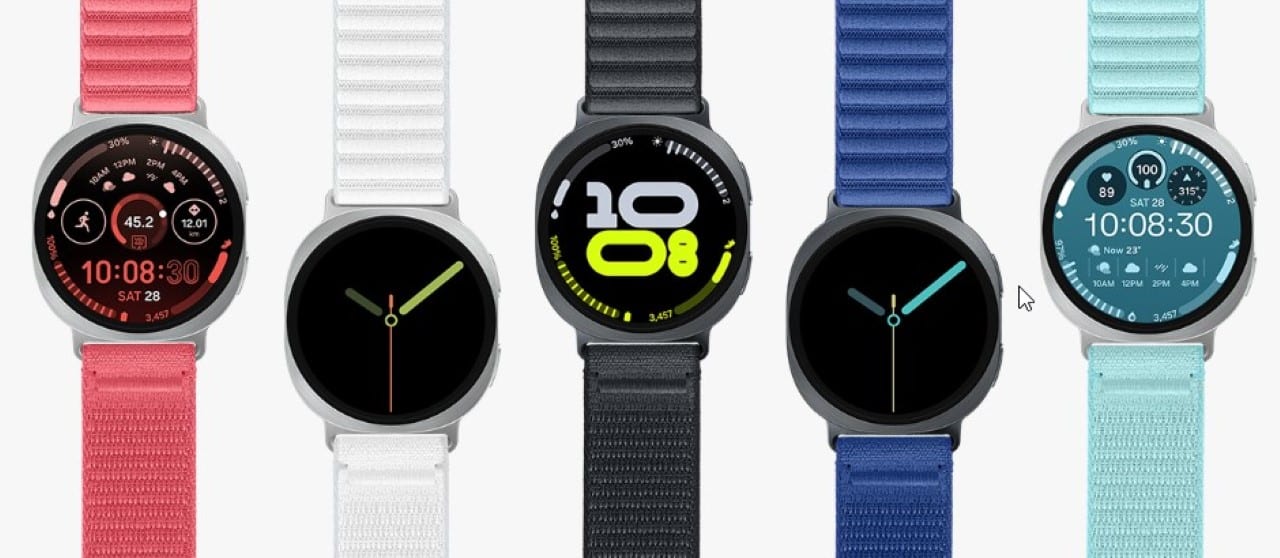
The smartwatch, listed under certification code SM-L355, represents the 44-millimeter variant of the new range of wrist monitors. The 435 mAh battery confirmed by records maintains exactly the same nominal capacity found in the equivalent model of the previous generation, indicating a stabilization in the physical size of the internal components. The maintenance of the battery’s dimensions indicates that improvements in the device’s autonomy will come from the energy efficiency of the new processors and sensors, and not from a physical increase in the energy cell. Essa strategy avoids adding thickness and weight to the watch, factors considered critical for user comfort during sleep monitoring and intense physical activity.
The device will continue to support magnetic fast charging technologies, allowing users to recover hours of use with just a few minutes spent plugged in. Thermal management during charging has also undergone design revisions to ensure long-term cell durability, preventing premature battery wear caused by overheating. Continuous heart rate monitoring, blood oxygenation and satellite route tracking functions require a stable, uninterrupted electrical supply. Product engineering focuses its efforts on balancing the millimeter precision of these medical and sports sensors with daily electrical consumption, ensuring that the device remains functional throughout the entire twenty-four hour cycle.
Hardware performance and wrist connectivity
The watch’s performance will be driven by next-generation processing platforms, with tests indicating use of the Exynos W1000 chip or adoption of the Snapdragon Wear Elite architecture, depending on the region of commercial launch. The transition to smaller lithographs in the manufacturing of these semiconductors ensures faster execution of third-party applications and smoother interface animations. Esse technological advancement simultaneously reduces energy waste in the form of heat, optimizing the use of the 435 mAh battery. The choice of the final processor will determine the device’s ability to handle tasks independently of the smartphone. The system will be able to process health data locally with greater agility and security, without depending on constant external connections. In terms of connectivity, the hardware will maintain support for high-speed wireless networks and will offer variants with a standalone cellular connection. The presence of optimized antennas makes it possible to make phone calls, send text messages and listen to audio via streaming directly from your wrist. The stability of these connections has been improved to prevent signal drops in dense urban environments and outdoor sports areas. Toda this technological structure requires strict control of the operating system to ensure the uninterrupted functioning of location and emergency services.
Ecosystem strategy and task distribution
The expansion of the accessories portfolio reflects a change in the way technology companies design user interaction with the digital environment. Instead of concentrating all functions on a single smartphone screen, the manufacturer is betting on distributing tasks between different devices that operate in sync. The watch takes on the role of health monitor and quick and discreet notification center.
The glasses, in turn, take over capturing first-person media and providing contextualized auditory and visual information. Essa network of connected devices requires very low latency communication protocols so that the data transition between them occurs imperceptibly to the user. Synchronizing health data, AI preferences, and usage history creates a unified digital environment.
The success of this strategy directly depends on the reliability of the batteries, since a power failure in a single component breaks the fluidity of the entire ecosystem planned by the manufacturer. Deep integration between devices also acts as a customer retention tool in the technology market. The mutual dependence of devices makes migrating to competing platforms a complex and less attractive process for consumers.
Historical evolution of the wearable line
The brand’s line of watches has a consolidated history of iterative evolution, with significant advances in construction materials and biometric sensors with each new generation launched. In the virtual and augmented reality segment, the company has already made several forays in the past with glasses that depended on the physical docking of smartphones. The new smart glasses project represents a definitive break with this old model, adopting completely independent hardware and proprietary processing to compete in the current spatial computing market.
Dispute for space in the electronics market
The simultaneous introduction of new smart watches and glasses intensifies the competition for space on consumers’ bodies among technology giants. The standardization of components and the search for denser and safer batteries continue to be the main fields of research and development in the industry. Mastery of these areas defines which companies will be able to deliver viable and comfortable products for the population’s daily use.
The current market demands that wearable devices offer the best possible balance between a lightweight, aesthetically pleasing design and extended usage time away from sockets. The revelation of the 245 mAh and 435 mAh capacities demonstrates that the South Korean manufacturer is betting on chip efficiency and software optimization. The main goal is to deliver a seamless experience, setting the stage for the next phase of artificial intelligence-based personal computing.