

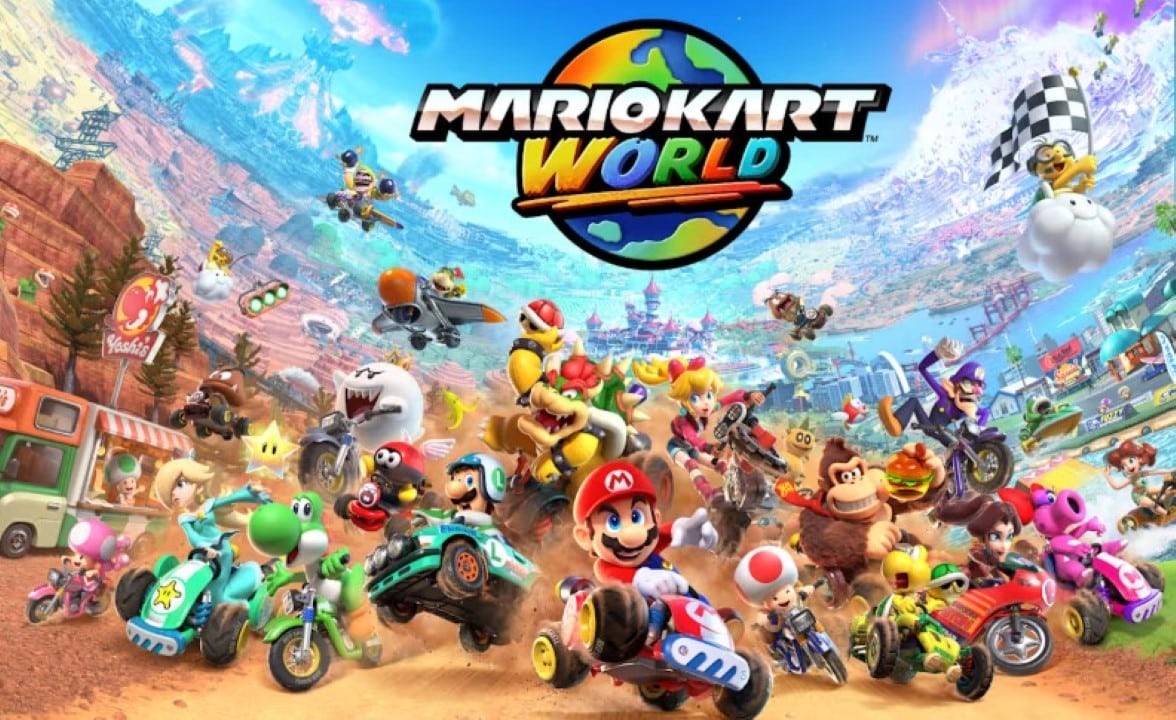
The French television network Canal+ developed an unprecedented promotional campaign for the broadcast of Grande Prêmio of Japão of Fórmula 1. The initiative integrated the aesthetics and sound effects of the electronic game franchise
The project used the layout of the Suzuka race track as the setting for an edition that superimposes classic virtual elements from Nintendo onto the cars driven by professionals on the current grid. The advertising piece transformed the Asian track into a mixed reality and animation environment, where high-performance vehicles appear to interact with the video game’s characteristic items during overtaking and maneuvers.
The broadcaster, which holds the rights to broadcast Fórmula 1 in France, is betting on gamification as a tool to increase pre-race engagement. The creative team’s central objective was to modernize the visual language of sports calls and capture the attention of a younger demographic, accustomed to quickly consuming content on digital platforms and social networks.
Visual strategy unites traditional motorsport and gaming universe
The Canal+ editing team inserted three-dimensional graphics directly into the images captured by the official Fórmula 1 cameras.
In addition to the visual overlay, sound design played a key role in building the campaign narrative. Audio engineers synchronized the noises of the Fórmula 1’s V6 hybrid engines with the nostalgic sound effects of the Mario Kart, creating an auditory experience that immediately recalls video game consoles, without losing the motorsport identity.
The material was received organically on the broadcaster’s distribution channels, generating discussions about the limits between real sport and virtual entertainment. Especialistas in sports marketing point out that the break in expectations generated by the insertion of playful elements in a highly technical environment such as Fórmula 1 works as an efficient trigger for audience retention.
Japanese circuit offers ideal layout for virtual adaptation
The choice of the Suzuka race track to carry out this campaign did not occur randomly by the producers of Canal+. The Japanese circuit has a unique figure-eight layout, with a bridge that crosses the track itself, an architectural feature that strongly resembles the complex and fanciful designs found on the tracks in Mario Kart.
Opened in the sixties, the track is known for its high-speed curves and technical sections that require extreme precision from drivers. By applying the gamification layer to this specific scenario, the broadcaster managed to merge the historical heritage of one of the most respected tracks on the world calendar with contemporary pop culture, maximizing the visual appeal of the promotion.
Search for new audiences dictates changes in sports broadcasts
The aging of the traditional motorsports fan base has forced media companies to rethink their communications approaches. Fórmula 1, under the management of Liberty Media, began a process of rejuvenating its brand, and partner broadcasters around the world are following this guideline with bolder campaigns.
Documentary projects and behind-the-scenes series have proven that there is a vast audience interested in the narrative of sport, beyond the purely technical aspects of automotive engineering. The Canal+ campaign acts as an extension of this philosophy, using the language of video games to translate the speed and competitiveness of the track into a more accessible format.
The gamification of sports broadcasts represents a structural transition in the way live content is packaged and sold to advertisers. By tying Fórmula 1 to a widely recognized and user-friendly intellectual property like Mario Kart, the French broadcaster lowers the barrier to entry for casual viewers who might otherwise find the sport complex or inaccessible.
This marketing tactic also responds to the need to create short, highly shareable content. The promotional video was designed to work both in linear television programming and in vertical formats for mobile devices, ensuring that the message reaches users on different media consumption platforms.
Exhibition rights require constant innovation from broadcasters
The acquisition and maintenance of Fórmula 1 broadcasting rights involves complex financial negotiations and substantial investments by television networks. Para guarantee a return on this investment, broadcasters like Creating viral, technologically advanced campaigns is a direct response to the commercial pressure of today’s sports media market.
Competition with streaming platforms and the proliferation of profiles that distribute unofficial cuts on social networks force rights holders to offer added value that goes beyond simply showing the race. The production of exclusive materials, which mix high-quality editing with strong cultural references, establishes a competitive advantage for the official broadcaster. The use of the Mario Kart theme demonstrates a clear understanding that the product offered to the subscriber needs to be a complete entertainment package, encompassing the pre-event, the race and the aftermath.
Intersection between real and digital sport sets new standards
The convergence of live sports and real-time graphics rendering technologies is redefining standards in the broadcast television industry. What Canal+ presented as a pre-recorded promotional piece reflects a broader trend of implementing augmented reality during live broadcasts. Redes television stations around the world already use graphics superimposed on the asphalt to show the speed of cars, the distance between competitors and complex telemetric data. The natural evolution of this technology points to a future where the viewer will be able to personalize their viewing experience, choosing between a purely factual broadcast or a display enriched with gamification elements, similar to what was tested in the Suzuka campaign. Essa Technological flexibility allows a single transmission to simultaneously serve motorsport purists and new generations of fans, consolidating the sport as a multiplatform entertainment product that is highly adaptable to the demands of the modern consumer.
Expansion of the format to other stages of the world calendar
The acceptance of the hybrid format presented in the Grande Prêmio promotion of Japão sets precedents for the broadcaster to apply similar techniques in other iconic stages of the championship. Pistas’s striking visual features, such as the narrow streets of Mônaco or the night races in Singapura, offer new scenarios for exploring campaigns based on mixed reality and pop culture references.
Professionals in the broadcasting sector monitor the engagement metrics generated by these initiatives to assess the feasibility of permanently integrating playful elements into official vignettes and openings. Visual experimentation has become a fixed component in the subscriber retention strategy of premium sports channels.
Media fusion changes entertainment consumption
The French network’s initiative highlights the blurring of boundaries between different forms of media, where the language of electronic games begins to guide the aesthetics of traditional sports broadcasts, creating audiovisual products adapted to the speed and interactivity demanded by contemporary audiences.
…