
Former TSA administrator assesses goals and challenges of ICE’s operations at busy US airports By Luís Henrique Costa
5 min read
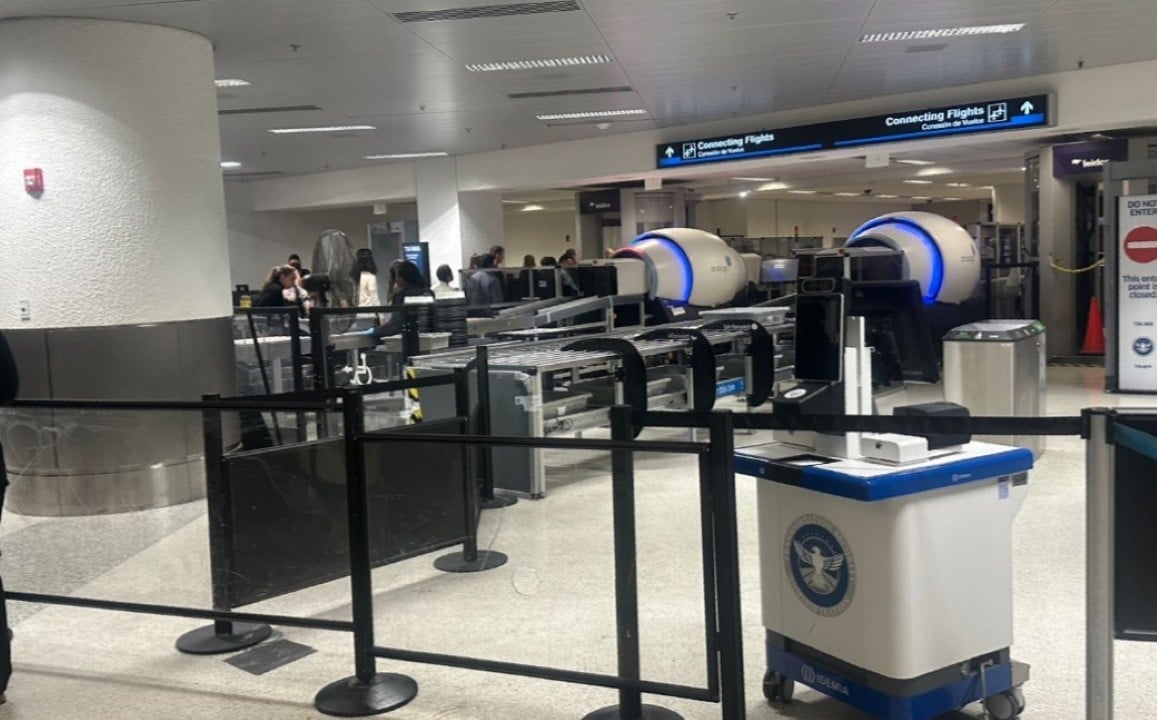 |
The discussion about the presence of agents from Serviço of Imigração and Alfândega (ICE) at busy airports gained prominence after the former administrator of Administração of In an interview with CNN journalist Audie Cornish, Pistole indicated that the deployment of ICE forces to assist the TSA at strategic points “could be a good thing” in certain scenarios. Essa statement reignites the debate about the integration of different security agencies in high-traffic environments.
Collaboration between federal agencies at points of entry and exit into the country is nothing new, but the intensification of ICE’s operations in embarkation and disembarkation zones raises questions about the limits of jurisdiction and public perception. The proposal to optimize security and migration control efforts in a context of increasing passenger movement aims to strengthen surveillance.
This synergy, however, implies a series of operational and legal considerations, especially with regard to travelers’ rights and the clarity of approach protocols. The complexity of the airport environment requires impeccable coordination to avoid interruptions and ensure the fluidity of daily operations.
The current airport security scenario requires constant adaptation and innovation to face constantly evolving threats. Integrating different expertise and resources can, in theory, offer an additional layer of protection, but it requires careful planning and transparent execution.
History of interagency collaboration
Historically, security at airports in the Estados Unidos has been a responsibility shared by several federal, state and local entities. The TSA, created after the September 11 attacks, focuses primarily on screening passengers and baggage. Já to Proteção of Alfândegas and Fronteiras (CBP) operates at borders and ports of entry, handling immigration and customs issues. ICE, in turn, has a broader mandate to enforce immigration law within the national territory.
Collaboration between these agencies is frequent in specific operations, such as human trafficking or smuggling investigations. However, the idea of a more routine and visible ICE presence in high-traffic TSA areas raises new discussions about role overlap and large-scale operational efficiency. Interoperability and information sharing are crucial for any new initiative to be successful.
John Pistole’s view on synergy
John Pistole, with his extensive experience as a former TSA administrator and former deputy director of the FBI, offers an informed perspective on the potential effectiveness of such a measure. Ele highlighted that, in certain cases, the presence of ICE can add significant value to overall security. Sua vision appears to focus on the ability to identify individuals who may pose additional risks that may not be detected by conventional TSA screening methods alone.
Pistole’s experience suggests that the ability to integrate different streams of intelligence and authority can create a more robust security environment. Ele likely considers scenarios where ICE’s expertise in immigration and related criminal matters could complement TSA’s functions, resulting in a more holistic approach to protecting airports and passengers.
For this collaboration to be “a good thing”, as he described it, it would be essential that there were clear guidelines and adequate training for the agents involved. Overlapping mandates without a precise definition of responsibilities could create more confusion than safety, negatively impacting both efficiency and traveler experience.
Concerns and debates about expansion
Despite the potential optimization of resources, the wider deployment of ICE at busy airports is not without concerns. Grupos Civil rights advocates and immigration advocates frequently express concerns about the potential for racial profiling and intimidation of minority communities. The visible presence of immigration agents in public places can generate anxiety and fear among citizens and legal residents, who may feel disproportionately subject to scrutiny.
Another point of debate lies in the distinction between national security and immigration law enforcement. Enquanto the TSA has an unequivocal focus on preventing terrorist acts and aviation security, ICE’s mandate is more focused on immigration enforcement. The line between these two missions can become blurred in an airport environment, raising questions about the purpose of certain approaches and checks.
Operational efficiency is also a crucial factor. Aeroportos already operate with tight margins in terms of time and space. Adding more procedures or increasing oversight without optimization can lead to significant delays, impacting the passenger experience and flight punctuality. It is essential to find a balance that does not compromise the fluidity of air operations.
Finally, the issue of accountability and oversight is vital. It is imperative that there are clear mechanisms to monitor the conduct of agents and to ensure accountability in the event of abuses or violations of rights. Transparency in operations is essential to maintain public trust and ensure the legitimacy of government actions.
Operation and training protocols
For any integration initiative between TSA and ICE to work effectively and fairly, the development of rigorous operating protocols is imperative. Estes must clearly detail the circumstances under which ICE agents may operate, the types of interactions permitted with passengers, and the limits of their authority in different areas of the airport. Clarity avoids ambiguity and ensures that actions are consistent and comply with the law.
In addition to protocols, a joint and comprehensive training program for officers from both agencies would be crucial. Este training should address not only technical and safety issues, but also cultural sensitivity, civil rights, and best practices for communicating with the public. Proper training prepares officers to handle a variety of situations in a professional and respectful manner, minimizing the risk of incidents.
ICE’s role at air borders
The Serviço of Imigração and Alfândega (ICE) plays a multifaceted role in air border security and control, going beyond simple document verification. Sua activities range from investigating transnational crimes, such as drug and human trafficking, to identifying individuals with outstanding arrest warrants or who pose threats to national security. ICE’s presence at airports serves as an additional layer of defense against illicit activity and to maintain the integrity of immigration laws. Agentes of ICE often works in coordination with other federal and international agencies to dismantle criminal networks and prevent dangerous materials from entering the country. ICE’s expertise in intelligence analysis and field operations complements TSA’s screening functions, enabling a more proactive approach to identifying and neutralizing threats. Esta collaboration is especially relevant in a globalized scenario, where borders are increasingly permeable and criminals use different routes for their purposes.
Impact on passenger experience
Passengers’ perception of airport security can be significantly influenced by the presence of different agencies. A coordinated and discreet approach can increase the feeling of security, while an invasive or confusing approach can generate stress and anxiety, compromising the travel experience.
The Road Ahead to Security
The discussion about the implementation of ICE at busy airports highlights the constant evolution of security strategies. The search for a balance between effectiveness in protecting the public and respect for individual rights remains a central challenge for authorities.



