
Rio de Janeiro court converts arrests of six suspects for beating capybara on Ilha do Governador By Luís Henrique Costa
6 min read
 |
Justiça of Rio of Janeiro decided, this Monday (23 March 2026), to maintain the arrest of six men accused of brutally attacking a capybara in Zona Norte of the city. The attack, which occurred at Ilha of Governador, generated great repercussion and mobilized authorities and animal rights defenders.
The individuals, identified as Isaías Melquiades Barros from Silva, José Renato Beserra from Silva, Matheus Henrique Teodosio, Paulo Henrique Souza Santana, Este outcome highlights the seriousness with which the Rio judiciary has treated crimes against wildlife.
In addition to the adults, two teenagers were also arrested for involvement in the attack. Vara of Infância and Juventude of Tribunal of Justiça of Rio of
Details of the attack and the condition of the animal
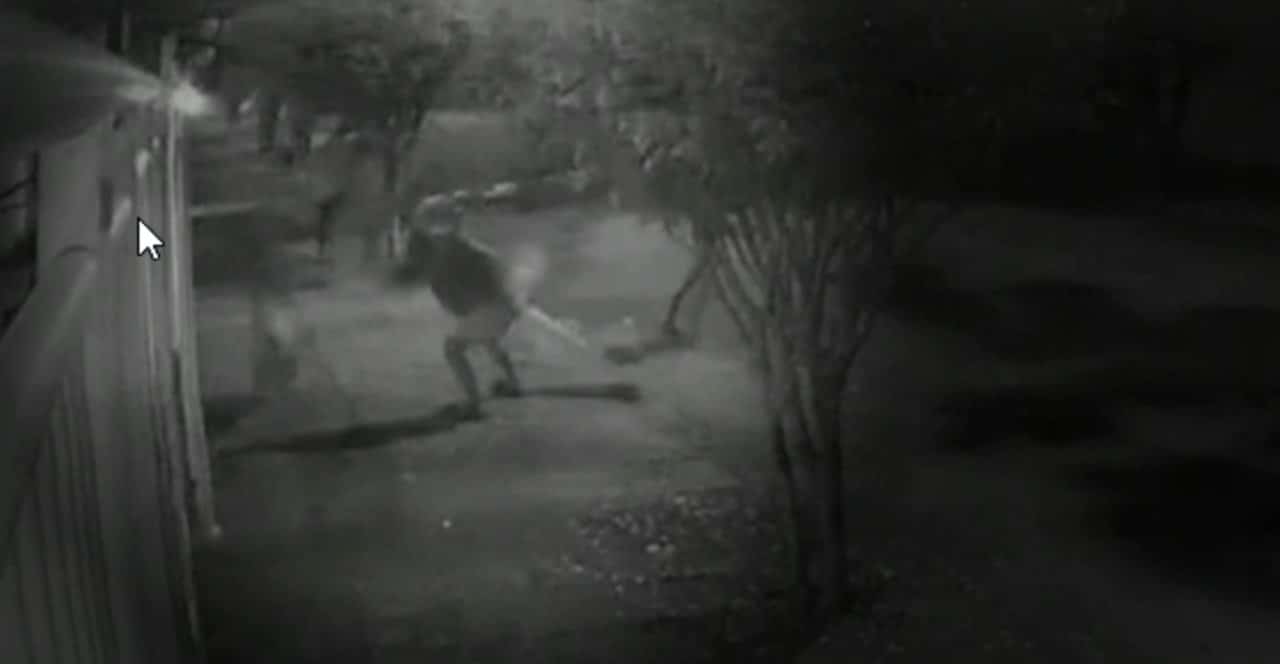
The episode of violence occurred in the early hours of Saturday (March 21, 2026), specifically on the edge of Quebra Coco, located in Jardim Guanabara. The criminal act was fully recorded by security cameras, whose images became the main evidence and catalyst for the identification and arrest of the attackers. The footage shows a group chasing and mercilessly attacking the animal.
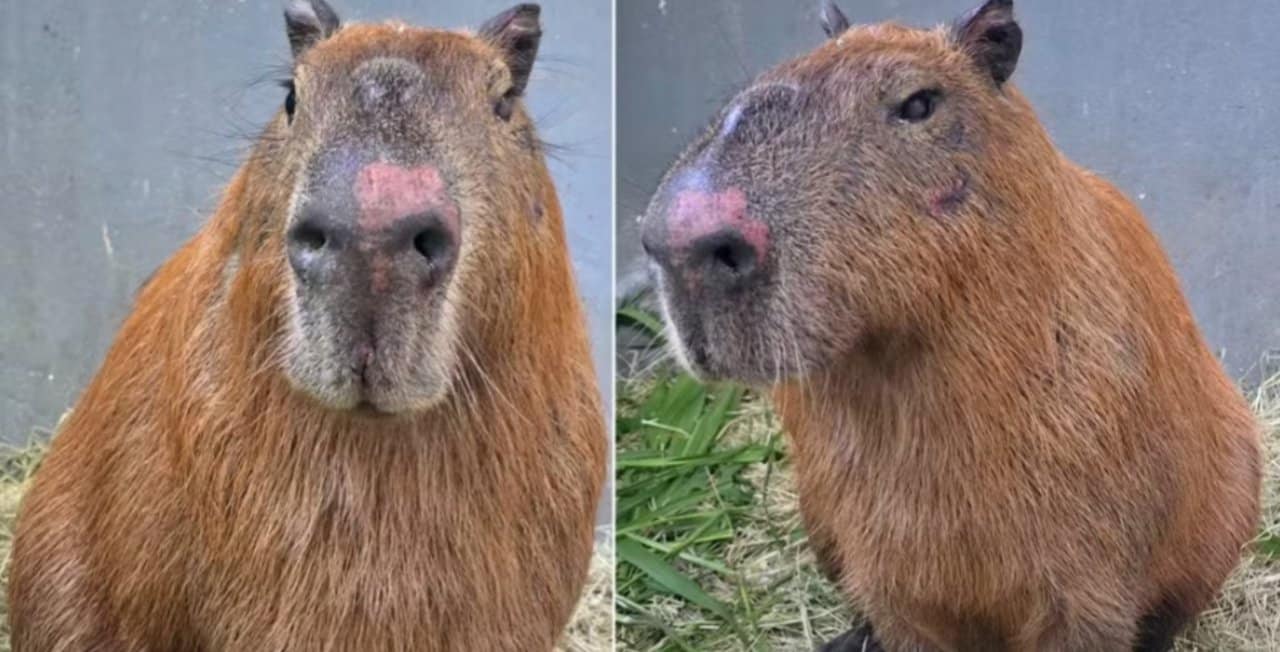
The capybara in question, an adult male weighing 64 kg, was promptly rescued and sent for care at Núcleo Veterinário of Vargem Grande, at Zona Sudoeste of Rio. Após a period of intensive care, the responsible veterinarian reported that the animal presented head trauma, significant edema and nose bleeding, symptoms that required immediate treatment.
Fortunately, the capybara demonstrated a positive recovery from the initial treatment during the early hours of Sunday. The animal’s ability to react favorably to medical procedures offered relief amid the general outrage. The case took on an even more serious turn when a witness reported having tried to intervene in the attack, but was also attacked by one of the suspects, highlighting the aggressiveness of the group.
According to the witness’s report, the group persisted in the aggression even after the animal, exhausted, fell to the ground. Além In addition, the same person stated that the men involved had already chased another animal in previous days, indicating a pattern of repeated and violent behavior against the local fauna. Estes details reinforce the premeditation and cruelty of the acts.
Legal developments and accusations
Polícia Civil acted quickly to identify and detain the suspects after the massive repercussion of the images. The efficiency of the investigation allowed those involved to be brought to justice in a short time. Para adults, the accusations are animal abuse, criminal association and corruption of minors, given the participation of teenagers in the episode.
The two young people arrested will face infractions similar to the same crimes, which means that, although the legal terminology is different due to their age, the nature of the infractions is the same. The determination of provisional hospitalization for the minors, issued by the Juizado after being taken to Delegacia from Proteção to
Brazilian law has evolved to punish crimes of ill-treatment more rigorously. In 2020, for example, Lei 14.064/2020 increased the penalties for those who mistreat dogs and cats, up to five years in prison, in addition to a fine and ban on custody. Casos such as the attacked capybara reinforce the need to apply existing legislation and promote awareness about the protection of all animals, whether domestic or wild.
Unprecedented fine and the decree “Justice for Orelha”
A crucial aspect of this case is the possibility of applying the fine provided for in the new decree known as “Cão Orelha”. Delegate Felipe Santoro, head of the 37th DP (Ilha do Governador), stated that this could be the first case in which Ibama will apply this regulation, published the week before the events. The decree “Justice for Orelha” was named after a community dog that was brutally killed after attacks in Florianópolis, in January of this year, and represents a significant tightening of punishments for those who commit animal cruelty. The new regulations establish fines ranging from R$1,500 to R$50,000 per animal attacked, with the possibility of reaching R$1 million in situations that present aggravating circumstances. Anteriormente, the values of the fines varied between R$300 and R$3,000, demonstrating the considerable increase in the severity of the penalties and the commitment to curbing such crimes with heavier financial sanctions, seeking to have a greater deterrent effect on potential aggressors and reinforcing the message that violence against animals will not be tolerated.
Defense of the accused
The defense of three of the accused — Matheus Henrique Teodósio, Isaías Melquiades Barros of Silva and Pedro Eduardo Rodrigues —, represented by lawyer The lawyer emphasized that the judicial process is still in its early stages and, therefore, it is imperative that the constitutional guarantees of due legal process, adversarial proceedings and broad defense, fundamental pillars of any fair legal system, are strictly observed.
The defense note highlighted that, to date, there is no conclusive technical evidence that can precisely individualize the conduct attributed to each of the accused, suggesting that such clarifications should be produced and analyzed in detail throughout the criminal investigation. Além In addition, the lawyer informed that her clients are first-time offenders, have proven fixed residence and carry out lawful activities, arguing that these conditions must be considered and that they should not be treated as guilty before a complete and impartial investigation of the facts, avoiding hasty judgments based on external pressure or public commotion.
Repercussion of the case and animal protection
The release of images of the attack on the capybara generated a wave of indignation and revolt across the country. The repercussion on social networks and traditional media demonstrated the growing concern of Brazilian society with the protection of animals and the fight against abuse. Movimentos and animal protection organizations have demonstrated, demanding justice and strict enforcement of laws.
The case serves as a sad, but necessary, reminder of the importance of educating the population about respect for wild fauna, which often coexists with human beings in urban areas. Capivaras, for example, are naturally docile and harmless animals, and their presence in urban ecosystems requires that coexistence be guided by respect and protection, not violence.
Animal protection legislation in Brasil has been improved, but inspection and reporting remain pillars for its effectiveness. It is essential that the population continues to report cases of mistreatment, using the channels available to the competent authorities, such as civil and environmental police and the Ibama. Cada reporting is a crucial step to ensuring that perpetrators are held accountable.
The unrest surrounding this specific incident highlights a global trend of greater sensitivity towards animal rights and the need for more effective public policies to ensure their well-being. Collective awareness about the importance of biodiversity and dignified treatment of all species is an essential path to preventing acts of cruelty like this from recurring in our communities and protecting harmonious coexistence.
The future of the accused and justice
The accused will now wait for the criminal investigation to unfold, a phase in which the evidence will be formally produced and analyzed. The defense reiterated its confidence in Poder Judiciário’s performance so that conclusions about guilt are based exclusively on concrete evidence, and not on external pressure or the public’s emotionality in the face of the crime committed.
Prevenção e fiscalização contra agressões
To prevent incidents such as the capybara beating from happening again, it is imperative that authorities invest in public awareness campaigns, educating about peaceful coexistence with wildlife and the serious legal consequences of acts of mistreatment. The presence of animals such as capybaras in urban environments calls for an approach that values environmental education from an early age.
In addition to education, inspection must be intensified in areas known for the presence of wild animals, especially in parks and shorelines, where contact with the population is more frequent. The installation of security cameras and preventive patrolling by environmental agencies can act as strong inhibitors of new attacks, ensuring that wildlife is protected and that those responsible for environmental crimes are promptly identified and punished.


