4.2 earthquake shakes Hyogo and Kyoto without risk of tsunami, authorities monitor the region

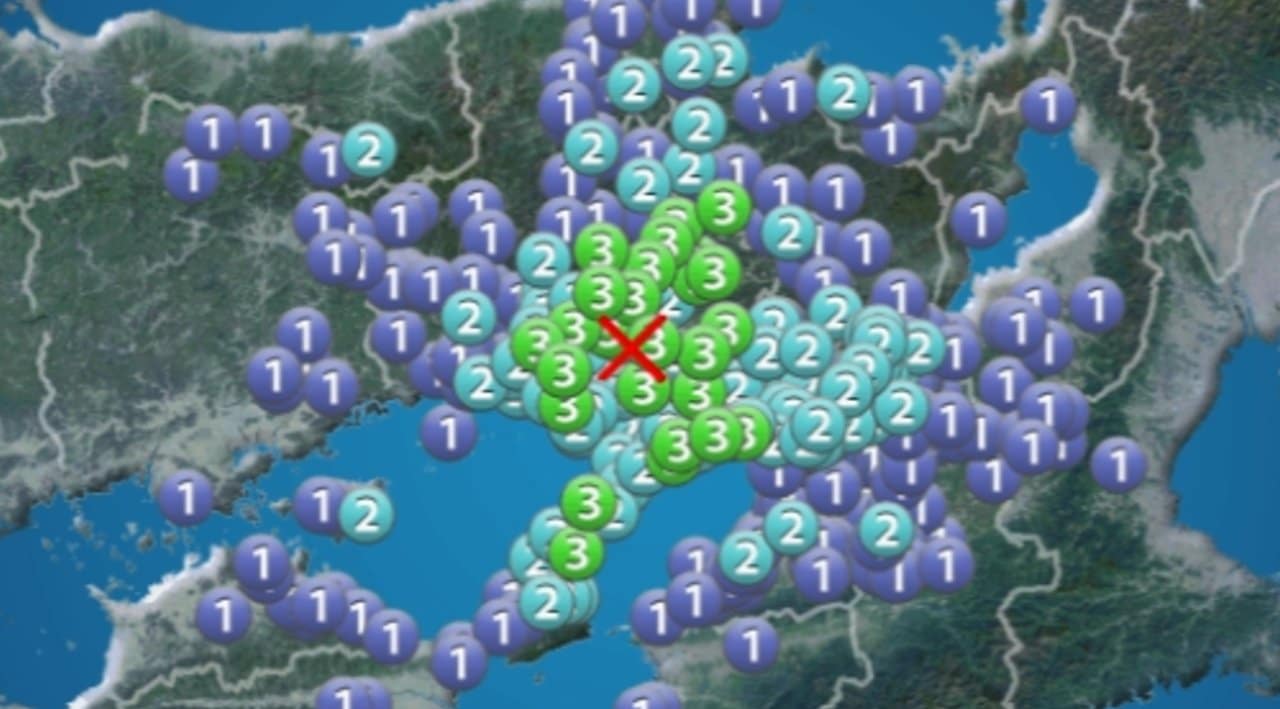
A magnitude 4.2 earthquake struck the southeast of the province of Hyogo on Wednesday, March 25, triggering tremors also felt in Kyoto. The event, recorded at around 8:31 pm, had a seismic intensity of 3 in several locations in these provinces, according to official data. Authorities quickly confirmed that there was no risk of a tsunami from this shock.
Technical details of the earthquake
The epicenter of the earthquake was located southeast of Prefeitura of Hyogo, with an estimated depth of approximately 20 kilometers. Esses data is crucial to understanding the distribution and perception of surface tremors. A magnitude of 4.2 is considered moderate and generally does not cause significant structural damage in regions with earthquake-resilient buildings.
Despite intensity 3, which indicates a noticeable tremor capable of moving light objects, the relatively shallow depth may have contributed to a more pronounced sensation in areas close to the epicenter. The rapid dissemination of information about the epicenter and depth is part of the Japão’s strict seismic safety protocols, aiming to inform the population and avoid panic.
Affected areas and intensity of tremors
Seismic intensity 3 was recorded in several cities and districts in both the provinces of Kyoto and Hyogo. Em Kyoto, the area of Miwa-cho Senzoku, in the city of Fukuchiyama, felt the tremor with this intensity.
In the province of Hyogo, reports of intensity 3 were more numerous, covering several important locations. Essa distribution demonstrates the scope of the earthquake and the population density of the impacted areas.
Among the locations in Hyogo that felt intensity 3, the following stand out:
Context of seismicity in the Japanese region
Japão is one of the areas with the greatest seismic activity in the world, located in the “Circle of Fogo” of Pacífico, where several tectonic plates meet and collide. Essa geological condition results in thousands of earthquakes per year, most of them imperceptible or of low magnitude. The country’s infrastructure, including buildings and transport, is designed with strict anti-seismic standards, which minimizes risks even in the strongest tremors.
The occurrence of an earthquake of magnitude 4.2 and intensity 3, although notable, is within normal limits for Japanese geography. The frequency of these smaller events serves as a constant reminder of the need for preparedness and the effectiveness of warning and safety systems. The population is used to carrying out exercises and following guidelines to react appropriately in the event of tremors.
Japanese architecture and engineering are world-renowned for their ability to withstand seismic shocks. Desde the 1970s, the country has invested in advanced technologies and strict building codes, which include shock absorbers, insulating bases and flexible structures. Esse rigor ensures that even old buildings undergo adaptations to increase their resistance.
Security procedures and alerts
Japan’s earthquake warning system is one of the most advanced globally, capable of issuing warnings seconds before the strongest seismic waves hit an area. Para this specific event, the information that “there is no risk of tsunami” was crucial and promptly disclosed by monitoring.
This type of quick, accurate communication helps prevent panic and allows people to take basic precautions, such as sheltering under tables or in safe locations. Television stations and mobile apps play a vital role in disseminating these real-time alerts.
The government and disaster management agencies maintain ongoing campaigns to educate the public about what to do during and after an earthquake. Estas campaigns reinforce the importance of having emergency kits at home and at work, as well as clear evacuation plans for each family and community. The culture of prevention is a pillar of public safety in Japão, and the coordinated response of authorities and the population is always highlighted in situations like this.
Continuous monitoring and information to the population
The Japão meteorological and seismological agencies continue to monitor activity in the region of Hyogo and Kyoto on an uninterrupted basis. Collecting detailed data on these events is critical to improving seismic risk predictions and models.
The population is advised to follow the information disseminated through official channels and to remain prepared for any eventuality. Transparency and consistency in communication are essential for maintaining calm and public safety in a country so susceptible to natural phenomena.