
PlayStation changes business model to prioritize narrative games and sales of physical consoles By Luís Henrique Costa
5 min read
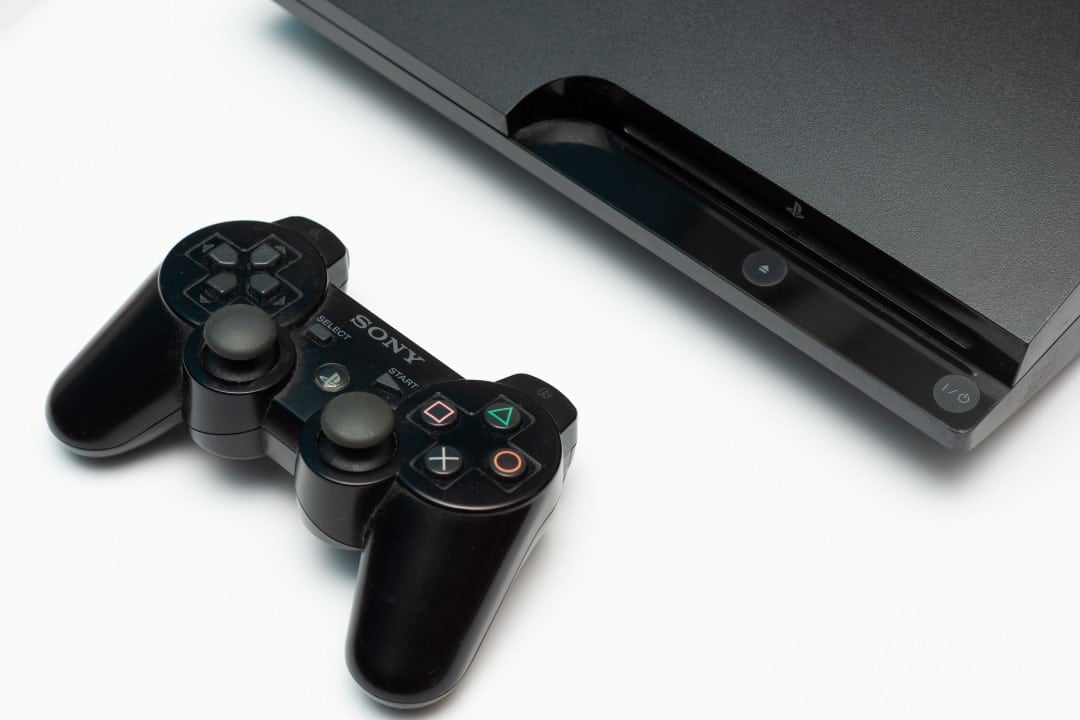 |
The Japanese technology giant responsible for the PlayStation brand has decided to restructure its global market strategy. The company starts to prioritize the development of narrative games for one player, maintaining the main focus on selling its own table consoles. The directive distances the corporation from recent initiatives that aimed to transform the brand into a massive provider of games as a service.
This move represents a tactical retreat from aggressive expansion plans for the ongoing online multiplayer sector. The management of the interactive entertainment division chose to value the exclusive and cinematic experiences that have consolidated the platform’s reputation over the last few decades. The movement meets a historic demand from the consumer base loyal to dedicated hardware.

The new business model aims to protect the sale of physical equipment and ensure the financial sustainability of internal development studios. The decision directly affects the release schedule for other platforms, establishing a considerably longer time interval between the debut of titles on the original console and their subsequent adaptation for personal computers.
Integration between hardware and software as a differentiator
Hardware engineering continues to be a central pillar in the Asian manufacturer’s operations. Developing controls with advanced haptic feedback and adaptive triggers requires specific programming that reaches its peak performance only in the closed, controlled environment of the desktop console itself.
Internal studios receive early access to hardware prototypes, allowing the creation of game mechanics that explore the device’s full technological potential even before its commercial launch. Essa technical synergy creates a competitive barrier in the market that can hardly be replicated by outsourced developers that produce for multiple systems simultaneously.
To strengthen this technological integration and maintain the quality standards required by the market, the company has established clear technical guidelines for its global production teams:
– Otimização code unique to the base console architecture.
– Uso mandatory tactile response functions in the brand’s major launches.
– Foco in reduced loading times through internal storage architecture.
Change in approach to desktop releases
The simultaneous release of major narrative productions for consoles and computers has been officially ruled out by current interactive entertainment management. The commercial strategy now consists of using the PC versions strictly as a secondary monetization tool, made available only months or years after the original debut on the brand’s hardware.
This window of temporal exclusivity has the main objective of encouraging the purchase of the console by consumers who want to access industry news immediately. The corporation understands, based on recent sales data, that the immediate availability of its main products on multiple platforms ends up cannibalizing the sales of its own physical equipment.
Project cancellation and internal restructuring
In recent months, the company has carried out a rigorous assessment of its software portfolio under development, resulting in the cancellation of several titles focused on online multiplayer. The attempt to broadly enter the games-as-a-service market has proven to be financially risky, requiring ongoing and heavy investments in server maintenance, community moderation and seasonal content creation, without the guarantee of a quick return. The high operating costs associated with these projects were incompatible with the profitability and efficiency goals established by the technology corporation’s shareholders.
Faced with this scenario of risk reassessment, financial and human resources were promptly redirected to established franchises and to the creation of new intellectual properties with an exclusive focus on closed stories. The internal restructuring also involved optimizing the studios’ production processes, seeking to reduce the total development time of narrative games without compromising technical excellence. The gaming division’s leadership issued internal communications reinforcing that the brand’s visual and commercial identity is intrinsically linked to high-budget single-player adventures.
Development costs and profit margins in the industry
The global video game industry is currently facing a period of high inflation in software production costs. Big-budget Jogos often surpass the hundreds of millions of dollars mark just in their conception and programming phase. The manufacturer identified that the continuous gaming model exponentially increased these institutional financial risks.
By returning to its traditional focus on premium narrative games, the company is able to more accurately predict profit margins, based on the consolidated sales history of its main franchises. The classic model of direct software sales at full price in physical and digital stores offers a much safer return on investment in the short term.
The dependence on microtransactions, a fundamental characteristic of games as a service, requires a massive and daily engaged player base to sustain. The saturation of this specific market niche made it difficult for new proposals to enter, forcing the company to review its capital allocation priorities and focus on products with guaranteed demand.
The abrupt cut in spending on experimental online projects allowed the entertainment division’s cash flow to immediately stabilize. The most recent audited financial reports indicate that traditional game sales and base console sales continue to be the brand’s main source of sustainable and predictable revenue on the global stage.
The role of internal studios in the brand’s new phase
The company’s extensive global network of development studios has been given full creative autonomy to focus on what has historically generated the greatest critical success and sales volume. Equipes of engineers and artists located at América of Norte, The company’s executive management understood, after market analysis, that the attempt to transform studios specialized in telling stories into continuous game administrators generated operational strain on the teams and delivered commercial results below expectations. The current direction returns to the pursuit of pure technical excellence, with massive investments directed towards cutting-edge motion capture technologies, professional dubbing with renowned actors and scripts written by award-winning writers. The corporate maneuver aims to definitively consolidate the desktop console as the definitive hardware platform for gamers seeking high-fidelity immersive experiences, distancing the brand from the competition for daily user retention that dominates the free games market for mobile devices and computers.
Audience loyalty through immersive narratives
Consumer loyalty to the console brand has been methodically built over multiple generations of hardware through the introduction of iconic characters and memorable stories. Rigorous maintenance of this visual and narrative identity is considered by executives to be an essential factor in ensuring the successful commercial transition of current players to future iterations of the company’s equipment.
Market research conducted internally revealed that the installed user base substantially values the cutting-edge graphical quality and depth of single-player campaigns, placing these factors above social features or complex competitive modes. Directly meeting this specific demographic demand strengthens the perception of value of the closed ecosystem offered by the manufacturer.
Maintaining the closed entertainment ecosystem
Strict technological control over the digital distribution platform allows the manufacturer to retain a significant and constant portion of revenues generated by direct sales of third-party games and subscriptions to basic network services. The strategic refusal to adopt a fully multiplatform model on launch day for its flagship products ensures that the physical console remains positioned as the absolute hub of home entertainment for its global target audience.



