
Honda begins reservations for innovative compact electric vehicle in Japan scheduled for fall launch By Bruna
5 min read
 |
Honda has announced the start of reservations for its new light electric vehicle (kei EV) starting in August, with the official launch scheduled for autumn. The initiative marks a significant step by the Japanese automaker in its electrification strategy, aiming to meet the growing demand for sustainable and compact mobility solutions in the domestic market. Este new model promises to combine the practicality and efficiency of popular kei cars with electric propulsion technology.
The kei vehicle segment, characterized by its small size and low displacement engines, is a fundamental pillar of the Japanese automotive industry, representing a considerable portion of annual sales. Honda’s introduction of a kei EV is seen as a direct response to government decarbonization policies and consumer preference for more environmentally friendly vehicles, especially for urban use and daily commuting. The new model is expected to offer an attractive and affordable alternative to electric mobility.
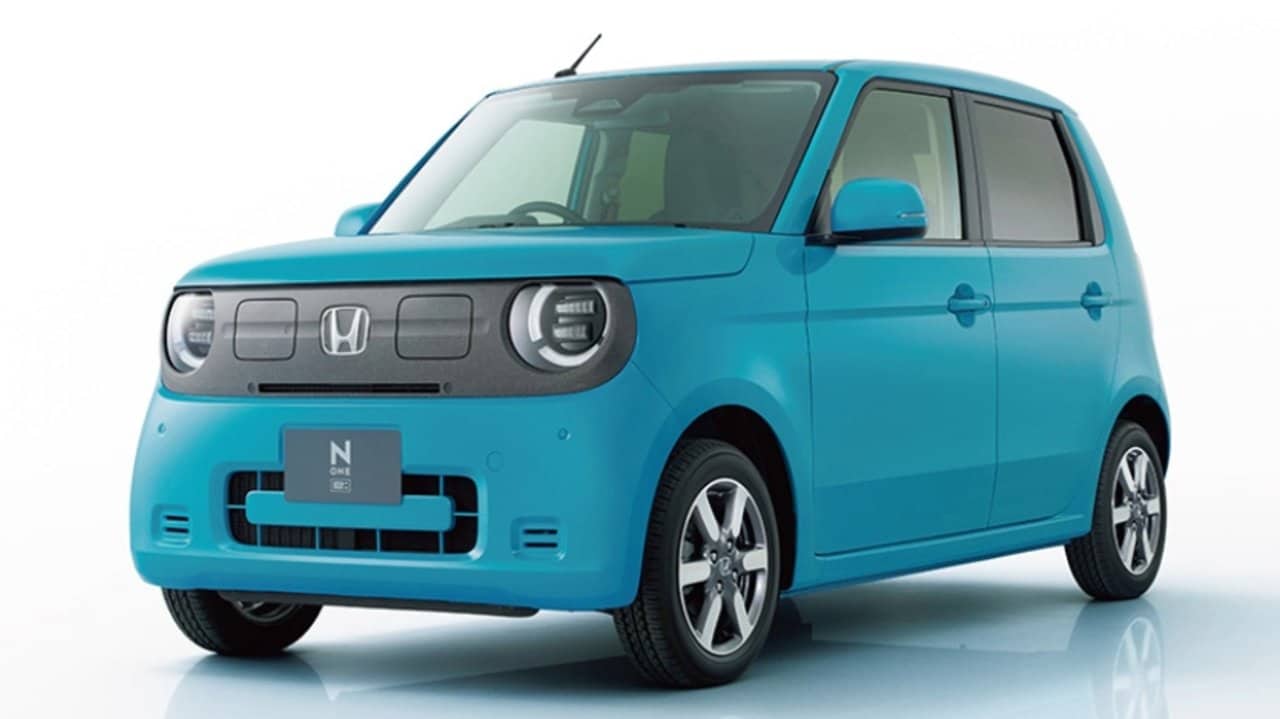
Expansion of electrification in the kei segment
The kei car segment plays a crucial role in Japanese mobility, being valued for its maneuverability in narrow streets and limited parking, as well as tax benefits. The electrification of this category is seen as a natural path to reducing emissions and advancing the country’s environmental agenda.
Honda, with this launch, seeks to strengthen its position in a niche market that is essentially Japanese, but which can serve as a model for other regions with high population density. A transição para veículos elétricos leves é um desafio tecnológico e de infraestrutura, mas a demanda por esses modelos compactos e eficientes é inegável no arquipélago.
Honda strategy for electric mobility
The Japanese automaker has demonstrated an increasing commitment to the electrification of its global fleet, setting ambitious goals for the transition to zero-emission vehicles. The new kei EV fits perfectly into this vision, complementing the line of electric products that the company already offers or plans to introduce in various markets.
Honda’s strategy is not just limited to vehicle development, but also encompasses research into battery technologies, charging infrastructure and renewable energy solutions. The goal is to create a complete sustainable mobility ecosystem, where the electric vehicle is just one part of the solution.
This launch on the Japão is an important test of the Honda’s ability to innovate and adapt to the specificities of a market as unique as Japan, while advancing its global electrification agenda. The experience gained from kei EV will be valuable for future developments in other vehicle categories.
Details and expectations of the new model
While specific technical details about the new kei EV are still being gradually released, the vehicle is expected to incorporate Honda’s latest innovations in terms of energy efficiency and battery technology. The autonomy must be suitable for daily and urban use, a crucial point for acceptance in the kei segment.
The design, as is characteristic of kei cars, will likely prioritize internal space and functionality despite the compact external dimensions. Recursos of connectivity and advanced safety are also expected, aligning the model with current trends in the automotive industry.
The Japanese electric vehicle market
The electric vehicle market in Japão has been growing, driven by government incentives and environmental awareness, albeit at a more gradual pace compared to other developed countries. Demand for compact and affordable EVs is particularly strong, reflecting the country’s lifestyle and urban infrastructure.
Competition in the EV segment is intensifying, with several automakers investing in new models and technologies. The entry of Honda with a kei EV aims to capture a share of this expanding market, offering a reliable option with the brand’s recognized quality.
Charging infrastructure is also a determining factor in the adoption of electric vehicles. The Japanese government and private companies are working on expanding the charging point network, making the transition to EVs more viable for consumers.
The preference for compact vehicles in Japão is due to a combination of factors, including the cost of fuel, scarcity of parking space and efficiency for urban traffic. An Honda kei EV has the potential to meet these needs in an innovative and sustainable way.
Incentives and challenges for adoption
The Japanese government offers several incentives for the purchase of electric vehicles, such as subsidies and tax benefits, aiming to accelerate the transition to a greener fleet. Essas policies are crucial to making EVs more competitive against internal combustion vehicles, especially in a price-sensitive segment like kei.
However, challenges persist, including the initial cost of electric vehicles, which can still be higher than equivalent gasoline models, and concerns about range and recharging time. Honda, like other automakers, needs to balance technological innovation with accessibility for the consumer.
Consumer education and awareness about the benefits of electric vehicles are also important factors. Superar resistance to change and demonstrating the practicality and long-term economics of EVs is critical to driving mass adoption in Japão.
Environmental impact and decarbonization goals
The introduction of light electric vehicles like the new Honda model directly contributes to the Japão decarbonization goals. Reduzir dependence on fossil fuels and reducing greenhouse gas emissions are national priorities, and the electrification of transport is one of the pillars of this strategy.
Future perspectives and technological innovation
Honda continues to invest heavily in research and development of new technologies for electric vehicles, including next-generation batteries, energy management systems and more efficient engines. The launch of this kei EV is indicative of things to come, as the company seeks to lead innovation in the sector.
The evolution of charging technology, including ultra-fast and wireless charging solutions, is also an area of focus. Honda is exploring partnerships and internal developments to ensure its electric vehicles are convenient and efficient for users.
Positioning of Honda on the global stage
The experience and knowledge acquired in the Japanese market, with the development and commercialization of kei EVs, can influence the global positioning of Honda. The lessons learned in this segment can be applied in other emerging markets or in regions with demand for compact and efficient vehicles, consolidating the company’s reputation as a leader in sustainable mobility.