
Lewis Hamilton praises the agility of the new Ferrari car and explains difficulties experienced in 2025 By Thiago Lemos
6 min read
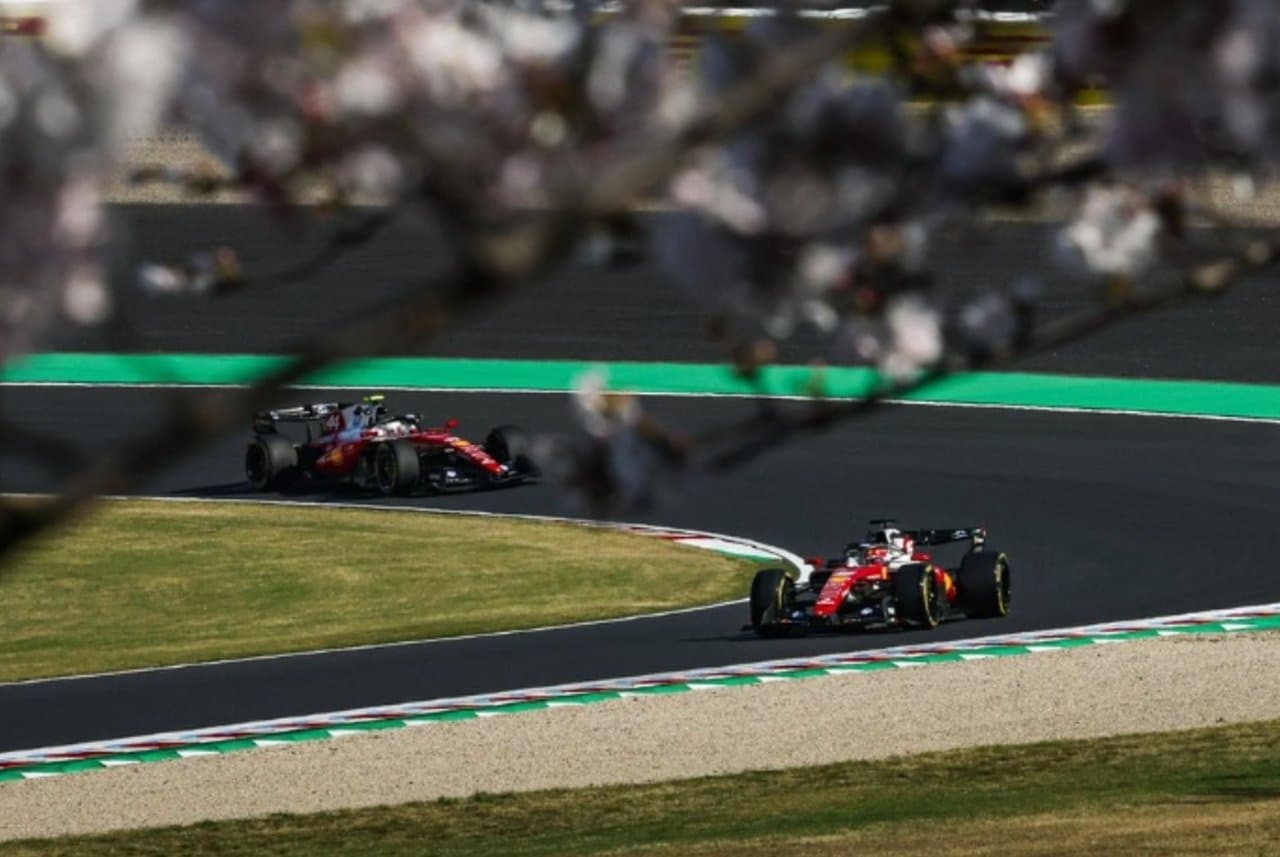 |
British driver Lewis Hamilton used the activities of Grande Prêmio and Japão to clarify the reasons for his significant improvement in performance this season. Após a challenging debut year for the Italian team, the seven-time world champion highlighted that the current project directly reflects his technical needs and driving style. The veteran’s optimism comes after achieving his first podium with the Maranello team, which occurred recently during the Grande Prêmio of the China.
The transition between the previous model and the 2026 machine marks a profound change in the team’s working philosophy. Hamilton explained that the car used in 2025 was an evolution of old concepts in which he had no direct participation in the initial development. Agora, with the new technical regulations in force, the pilot feels that his suggestions have finally been integrated into the DNA of the equipment. The focus on electric power and weight reduction transformed the vehicle’s dynamic behavior on the track.
The Suzuka Fan Forum always delivers 🇯🇵🙌pic.twitter.com/xyrNUzwF89
—Scuderia Ferrari HP (@ScuderiaFerrari)March 27, 2026
Technical difficulties and the legacy of the previous project at the team
The seven-time champion faced a complex first year in Maranello due to the nature of the single-seater SF-25. Segundo the driver, the car had been designed before his arrival and followed an evolutionary line that favored the characteristics of his predecessors and his colleague Charles Leclerc. Hamilton mentioned that he requested important structural changes, such as modifications to the suspension, but these were not made possible at the time due to cost issues and manufacturing deadlines.
This lack of harmony with the equipment resulted in a 2025 season without podiums, which raised questions about its adaptation to the Italian environment. Enquanto Leclerc managed to extract consistent results, the Brit struggled to find the ideal balance in a cockpit that was not shaped to his preferences. The team’s decision to stop development early that year was essential for engineers to focus their full efforts on the next project.
Change of philosophy and the birth of the model for the new era
Ferrari adopted an aggressive strategy by focusing in advance on the technical rules that came into force in 2026. Hamilton revealed that he spent long hours in the simulator in The driver expressed gratitude that engineering listened to his feedback on weight distribution and steering response. The result is a vehicle that the seven-time champion describes as more agile and pleasurable to drive.
The changes were not only mechanical, but also aerodynamic, aiming to compensate for the reduction in downforce foreseen by the regulations. The team sought to create a more stable platform that would allow drivers to explore the limits on high-speed circuits such as Suzuka. Esse joint work between the drivers and the factory resulted in a qualitative leap that put the Ferrari back in the direct fight for the top positions on the world grid.
Driving sensations and comparison with kart driving
One of Hamilton’s most striking statements about the SF-26 refers to the agility of the new technical set. Ele compared the experience of driving the current model to the fun found in karts, highlighting the ability to maneuver the car with greater freedom. Essa feature is the result of a lighter chassis and a more refined power management system. The driver highlighted that, although the regulations have divided opinions in the paddock, he sees the change with enthusiasm.
The new hybrid system, which now gives greater prominence to the electrical part of the engine, requires strategic management during fast laps. Hamilton and Leclerc have extensively tested these configurations and reached a consensus on the efficiency of the packet delivered by Ferrari. Para the British, the excitement of starting a new phase in the sport outweighs the technical criticisms made by other competitors. The engine’s responsiveness and immediate torque delivery are points that make overtaking easier.
Current performance and internal dispute in the drivers’ world championship
The practical results of this evolution have already begun to appear on the Fórmula 1 world championship leaderboard. With third place in China, Hamilton gained crucial points and currently occupies fourth place in the overall competition. The difference to Charles Leclerc is just one point, which demonstrates an internal balance that was not seen last season. The consistency of Ferrari in the first tests indicates that the team got its basic development right.
The competitiveness demonstrated on Asian tracks reinforces the thesis that the team is closer to leadership than in recent years. The correlation work between simulator data and real performance on the track has been praised by team members. Hamilton said he was proud of the progress made by the team over the last twelve months. The focus now is to maintain the pace of updates to challenge the top teams on different types of tracks.
Behind the scenes development in Maranello and the simulator
The process of creating the current car involved unprecedented integration between the engine and chassis departments at Itália. Lewis Hamilton highlighted that his experience accumulated over decades in the category was a valuable asset in guiding the young engineers at Ferrari. The simulator sessions were intense and focused on resolving the chronic understeer issues that plagued the 2025 model. The driver highlighted that internal communication has improved significantly since his hiring.
Charles Leclerc also played a vital role, validating Hamilton’s impressions and providing complementary data on tire behavior. The union of visions between a multi-champion and a young talent allowed Ferrari to create a more versatile car. Essa synergy is seen internally as the difference for the team to be able to sustain a fight for victories in the long term. The atmosphere in Maranello is one of renewed confidence after the promising start to the journey.
Perspectives for the remainder of the season and technical goals
With the basis of the car now well established, Ferrari plans to introduce specific upgrade packages for the European and American legs of the championship. The objective is to further refine the recovery of thermal and kinetic energy, ensuring that the engine does not lose power over long stretches. Hamilton believes that the development ceiling of this new regulation is still far from being reached. Ele projects that teams that better understand the aerodynamic flow under the car will have an advantage.
The search for technical perfection continues to be the English driver’s priority in his quest for his eighth world title. Ele reinforced that the sport is going through an exciting moment of reinvention that benefits those who can adapt quickly. Ferrari appears to have overcome initial uncertainties and is now focusing on reliability details to avoid abandonment. Hamilton’s journey in red takes on new contours with equipment that finally responds to your commands.
Impact of the new regulations on sport and driving
The new 2026 rules have changed the way drivers approach qualifying and race strategy. Battery management has become as important a tactical tool as fuel management was in decades past. Hamilton highlighted that this technical complexity makes the pilot’s work more intellectual and strategic inside the cockpit. The need to know the exact moment to use the electric boost redefines wheel-to-wheel disputes.
Although downforce has been reduced, which would theoretically make cars slower in curves, agility compensates for this loss in blocked sectors. Ferrari focused on ensuring the car was not only fast, but also predictable for the driver. Esse balance between performance and handling is what allowed Hamilton to return to the podium so quickly at this stage. The team’s commitment to technical excellence reflects the desire to end the world title drought.