
Augment AI hybrid smartwatch campaign reaches 100 million yen in 40 minutes in Japan By Carolina Costa
7 min read
 |
Technology company Augment AI has officially started its new crowdfunding campaign to launch a new wearable device in the Asian market. The initiative was hosted on the Japanese platform Green Funding and quickly attracted the attention of thousands of consumers and electronics enthusiasts. The featured product is a smart watch that promises to redefine the wearables category, combining the classic design of traditional watchmaking with advanced digital monitoring and mobile connectivity features.
The interest of the consumer public was immediate in the first hours of the project being made available on the internet. The initial financial objective established by the manufacturer was ten million yen, an amount considered standard for hardware launches of this size and complexity in the region. However, the high demand generated by the announcement meant that this economic goal was reached in just four minutes after the official opening of the platform’s contribution system.
【朗報】サ終からまさかの復活!!!!!
腕時計に合体してスマートウォッチ化するwena新機種「wena」pic.twitter.com/HJlkQKpdSe
— すまほん!! (@sm_hn)2026 στις 3 έως τις 17 Ιανουαρίου
The speed of financial transactions surprised the campaign organizers and highlighted the strength of the hybrid smart watch segment in the current technological scenario. The massive volume of simultaneous accesses generated intense traffic on the financing platform’s servers, reflecting consumers’ high expectations for practical innovations in the personal technology sector and the strong acceptance of the concept presented by the newly created brand.
Collection pace sets new records on the platform
The investment flow continued to accelerate steadily during the campaign’s first hour of operation, breaking historic marks for the crowdfunding platform. Exatamente After forty minutes of uninterrupted fundraising, the amount surpassed the one hundred million yen barrier, establishing a new absolute speed record for Green Funding. The initial performance places the device among the most successful projects in the Asian country’s recent history.
The fundraising window will remain open for several months, allowing new interested parties to secure their units in advance with promotional values. The official closing of the campaign is scheduled for June 17th, a period in which the company plans to consolidate the capital necessary for large-scale production. The demographics of early buyers are also being mapped to guide future physical and digital retail distribution strategies.
By the early afternoon of the launch day, system records had already indicated revenues exceeding one hundred and seventy million yen. Esse financial volume indicates that the final amount raised could represent a significant multiple of the original goal stipulated by the developers, guaranteeing not only the manufacturing of the initial batch, but also the financing of future software updates and expansion of the assembly line.
Device architecture combines analog display and smart bracelet
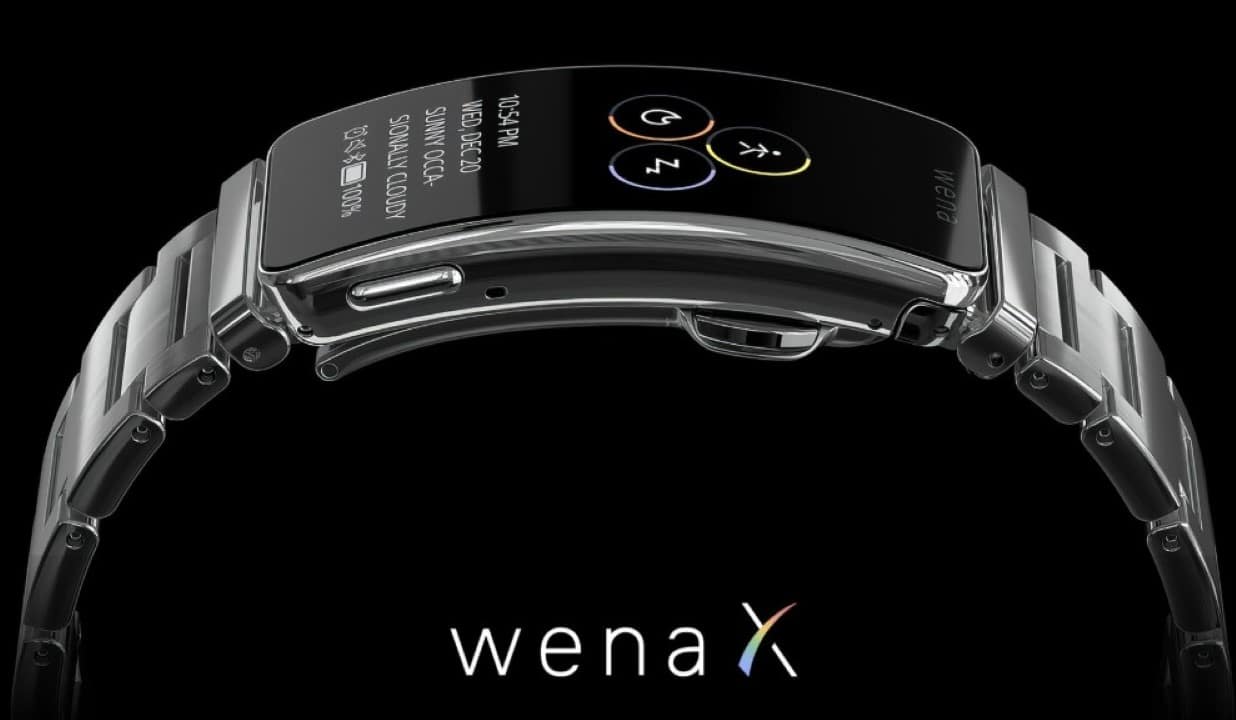
The fundamental concept of the new device is based on the fusion of traditional watchmaking aesthetics with the convenience of contemporary connected devices. The main structure of the dial maintains the exact appearance of a classic analog watch, with physical hands and mechanical gears. Essa design choice aims to preserve the elegance and discretion required by users in formal corporate environments or black-tie social events, where glossy digital screens may be considered inappropriate.
The product’s technological innovation focuses entirely on the device’s bracelet, which houses all the smart electronic components and biometric reading sensors. The engineering approach allows the user to enjoy all the features of a high-tech smartwatch without compromising the timeless and sophisticated design of the mechanical dial. The electronic modules have been miniaturized to fit into the clasp and metal links without adding excessive bulk to the wrist.
The digital module integrated into the bracelet has technical specifications aimed at optimizing daily use and interaction with the user. The system features a small-sized organic light-emitting diode screen designed to display essential information. The visual interface uses high-contrast technology to make it easy to quickly read notifications and data even in direct sunlight, ensuring usability in outdoor environments.
The external structure of the smart bracelet is reinforced and completely water resistant, providing greater durability during outdoor sporting activities or exposure to the elements. The internal compartment houses a high-energy density battery specifically designed to support multiple days of continuous sensor and wireless use, eliminating the need for daily recharges that plague most conventional smartwatches.
Optimized operating system and continuous monitoring of vital signs
To manage the device’s complex functions, the manufacturer chose to use wena OS, an operating system specifically optimized for low-power hardware. The software platform ensures that essential operations run smoothly, without overloading the equipment’s internal processor. Efficient management of background processes keeps interface responsiveness at optimal levels while navigating menus, and significantly extends battery life between charges.
Tracking physical activity and vital signs represents one of the functional pillars of the brand’s new smart watch. Sensores high-precision optics, embedded in the bottom of the bracelet and in direct contact with the skin, continuously read the user’s heart rate. The system automatically records the number of steps taken throughout the day, calculates estimated calorie expenditure based on the physical profile and analyzes the cycles of deep and light sleep during the night. The information collected is synced wirelessly to a dedicated smartphone app, generating detailed fitness reports.
Integration of contactless payments in transportation and retail
The contactless payments functionality represents an extremely important competitive differentiator for product acceptance in the Asian market. The device has native support for the Suica system, a payment technology widely used in public transport networks and in retail commerce throughout Japan. The inclusion of this feature eliminates the need to carry physical transport cards or take your smartphone out of your pocket to make quick financial transactions at train station turnstiles and convenience store cashiers.
Configuration of the payment system is carried out directly through the mobile application, which links the user’s banking details in a secure and fully encrypted way. The proximity field communication antenna is strategically positioned on the metal bracelet buckle. Esse anatomical positioning facilitates the natural movement of the wrist approaching the reading terminals, making the payment process instantaneous and ergonomically comfortable for the consumer during their daily commute.
Development led by engineers with industry track records
Augment AI, the company responsible for the creation and execution of the project, currently operates as an independent corporate entity, but has deep roots in the Japanese technology industry, with direct links to former employees of the giant Sony. The development team is made up of hardware engineers and product designers who actively participated in the creation of previous generations of smart bracelets at the multinational. The technical heritage provides the new company with practical knowledge about the miniaturization of electronic components, efficient power management in portable devices, and the complex integration of hardware with proprietary software. The transition to an autonomous operation allowed the team greater agility in making strategic decisions and the necessary freedom to explore modern crowdfunding formats. The strategy makes it possible to test real market acceptance before committing massive financial resources to setting up traditional production lines. The current project is considered by industry experts to be the culmination of years of intensive research and practical development, applying all the lessons learned in previous iterations to deliver a mature, stable product perfectly aligned with consumer demands for high-end wearable technology.
Physical demonstrations bring technology closer to the consumer public
To bring the innovative product closer to potential buyers and investors, the manufacturer organized a series of physical demonstration events in strategic commercial locations across the country. Locais with high foot traffic and strong technological appeal, such as the Shibuya Tsutaya complex and the Tsutaya Electrics specialty store in the Futako Tamagawa neighborhood, were carefully selected to house the brand’s exhibition stands. Nesses interactive spaces, visitors have the opportunity to handle functional prototypes, evaluate the weight and quality of the materials used in the stainless steel construction and test the fluidity of the operating system interface, clarifying technical doubts directly with the promoters.
Software maintenance ensures wireless connection stability
The software engineering team maintains a strict update schedule for the smartphone companion app, focusing efforts on stability of the Bluetooth connection and quickly fixing glitches reported during the beta testing phases. Continuous monitoring of code performance allows developers to identify processing bottlenecks and optimize the transfer of data packets between the watch and the cell phone. The company’s core objective is to ensure that the moment physical units are delivered to lenders, the digital ecosystem offers a seamless and refined user experience.
The server infrastructure was also scaled to support the data synchronization flow of thousands of simultaneous users. The system architecture provides firmware updates via a wireless network, ensuring that the device receives security improvements and new functional features without the need for cables. The commitment to long-term software maintenance aims to avoid interruptions in the synchronization of health data or delays in receiving message notifications, consolidating the total reliability of the operating system in users’ daily routine.



