
IPhone 17 Pro and Galaxy S26 Ultra compete for position among the best cell phones for photography in 2026 By Beatriz
6 min read
 |
Anyone looking for a cell phone with a camera capable of delivering results close to those of professional equipment in 2026 needs to evaluate beyond the resolution in megapixels. Fatores how sensor size, lens aperture, stabilization technologies and image processing make a significant difference in the final quality of photos and videos. An updated list brings together ten models from brands such as Huawei, Apple, Oppo, Xiaomi, Motorola and Samsung, highlighting systems that excel in zoom, night performance and recordings with little processing.
The selected devices prioritize versatile rear sets, which include wide-angle, ultrawide and telephoto lenses, often accompanied by multispectral sensors or artificial intelligence to optimize colors and details. Gravações in 4K or 8K with advanced stabilization and features like dual capture also appear frequently. The compilation of the relationship considered independent evaluations that measure performance in different lighting conditions and distances.
Huawei Pura 80 Ultra takes first position with double zoom system
The Huawei Pura 80 Ultra stands out at the top of the list thanks to the rear set that combines an inch-sized 50 MP main sensor and a dual telephoto system. Essa configuration allows 3.7x and 9.4x optical zoom without significant loss of quality, covering everything from open scenes to distant shots.
Processing includes Ultra Lightning HDR lens and multispectral sensor with 1.5 million channels, which improves low-light performance and expands dynamic range. In practice, images maintain sharpness and natural colors even in low-light environments. The 13 MP front camera complements the system for wide-angle selfies.
The model records videos in up to 4K at 60 fps with good stability. Avaliações techniques give the device high scores in general camera, photo and zoom tests.

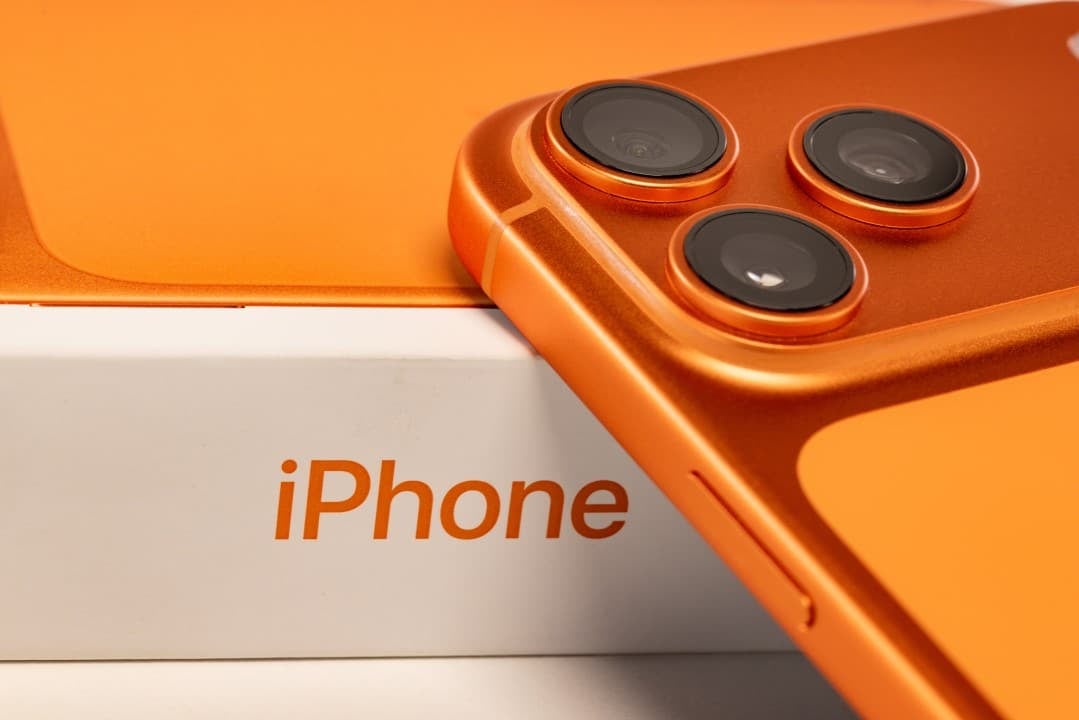
iPhone 17 Pro features three 48MP lenses and simultaneous recording capabilities
The iPhone 17 Pro integrates three rear cameras of 48 MP each, with a Fusion system that increases versatility in captures, especially in zoom situations. The telephoto lens allows optical zoom of up to 8x with preserved quality.
The 18 MP front camera offers superior resolution for videos and photos. Recursos as a LiDAR sensor and Smart HDR 5 help with focusing and optimizing images in varying lighting conditions. The device supports dual recording of the front and rear at the same time.
Dolby 4K HDR recordings at 120 fps in slow motion represent another strong point. The set delivers consistency in different scenarios, although it presents limitations in the simultaneous combination of night and portrait mode.

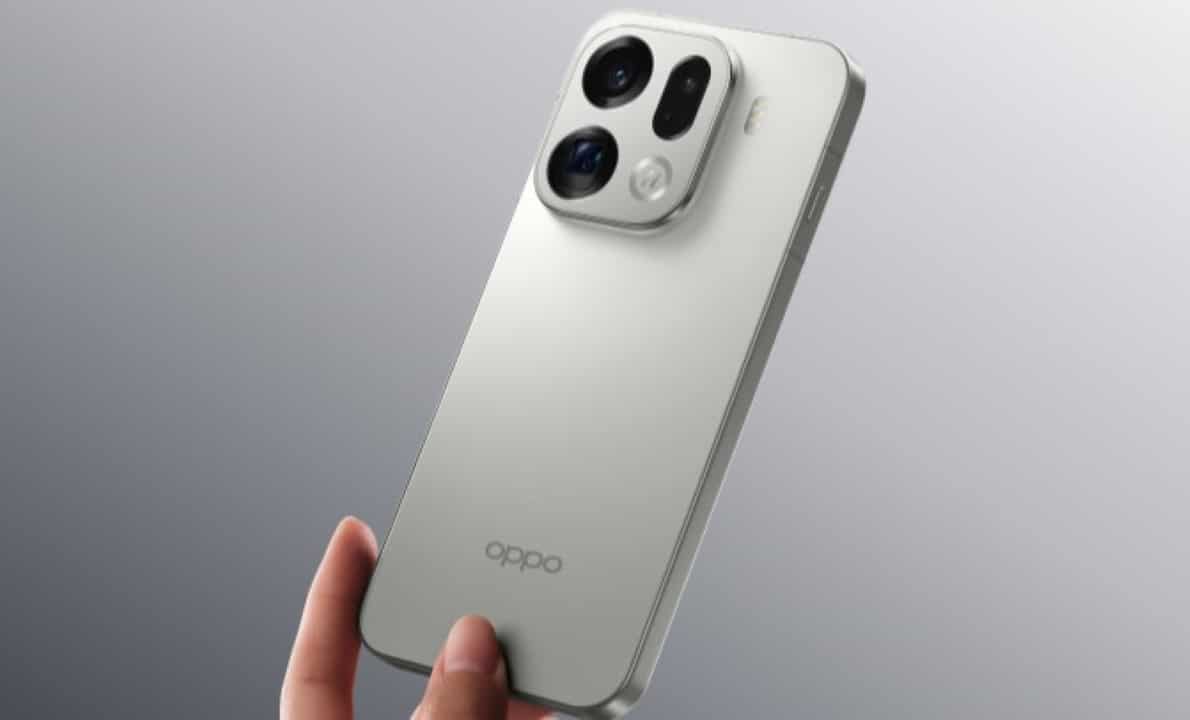
Oppo Find
The Oppo Find X9 Pro has a 50 MP main lens, a 50 MP ultrawide lens and a 200 MP telephoto lens on the rear. The 50 MP front camera completes the system for high-resolution selfies.
The aerospace filter combined with algorithms allows capture of up to 140% more light, which benefits recordings in dark environments. HDR technology preserves details and the BT.2020 color spectrum guarantees more faithful tones.
3x optical zoom reaches 120x super zoom with the help of artificial intelligence, useful for photographing distant events. Gravações achieves 4K Dolby Vision at 120 fps with double stabilization.
- 50MP wide-angle lens with f/1.5 aperture and OIS
- 50MP ultrawide lens with 120-degree angle
- 200 MP telephoto lens with OIS
Xiaomi 17 Ultra simulates professional camera design with mechanical zoom
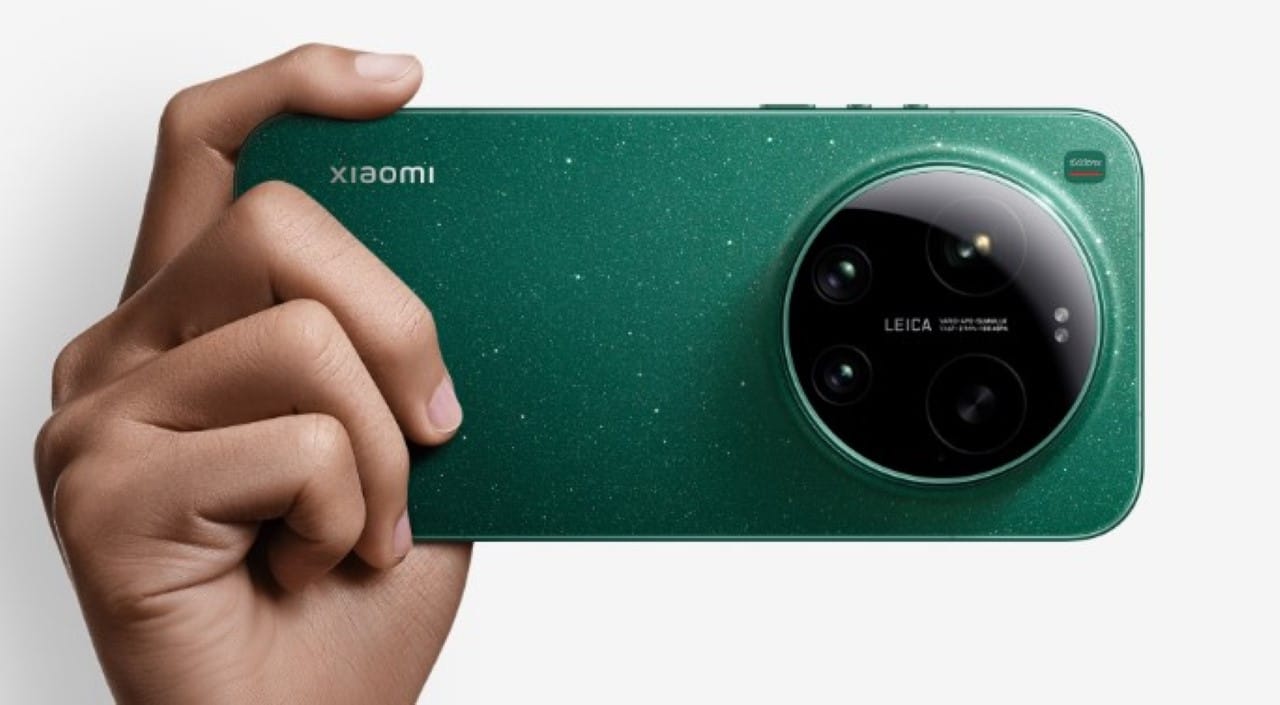
The Xiaomi 17 Ultra has a rear design that resembles dedicated equipment lenses. The set includes a 50 MP wide angle, 50 MP ultrawide and 200 MP telephoto lens, in addition to a 50 MP front lens.
Light Fusion 1050L sensor improves night shots while LOFIC HDR technology controls highlights. Mechanical optical zoom reaches 17.2x without digital cropping, and recordings reach 8K at 30 fps or 4K Dolby Vision at 120 fps.
Precision glass elements reduce glare and optical haze. Acessórios as a dedicated case reinforce the experience similar to that of a camera.
The model delivers a good balance between hardware and computational processing for photos and videos in multiple conditions.
Motorola Signature and Galaxy S26 Ultra offer options with four high-resolution cameras
The Motorola Signature features four 50 MP lenses, three of them with Sony sensors, including a periscopic telephoto lens with 3x optical zoom and up to 100x super zoom. Gravações support 8K Dolby Vision at 30 fps and dual capture.
The Galaxy S26 Ultra has a 200 MP main sensor, a 50 MP ultrawide sensor and two telephoto lenses. The ProVisual Engine with artificial intelligence processes images in real time, and the Space Zoom reaches 100x with advanced stabilization.
Both devices prioritize sharpness, color control and stability in videos, with features such as horizontal lock to keep the horizon level during movements.

iPhone 16 Pro and iPhone 15 Pro maintain consistent quality from Apple
The iPhone 16 Pro uses a 48 MP wide angle and ultrawide lens along with a 12 MP telephoto lens. The Photonic Engine and LiDAR sensor optimize color, sharpness and focus in low light, with night mode available in portrait.
The iPhone 15 Pro has a similar configuration with a 48 MP wide angle, 12 MP ultrawide and 12 MP telephoto lens. Ambos support 4K Dolby Vision recording at 120 fps and deliver reliable results for everyday or creative use.
These models remain relevant due to the stability of the ecosystem and image processing characteristic of the brand.

Galaxy S25 Ultra and Xiaomi 15T Pro complete options with AI and zoom features
The Galaxy S25 Ultra maintains a 200 MP main sensor and an AI system for Nightography and editing via prompt. Zoom 100x spatial and 8K recordings complete the package.
The Xiaomi 15T Pro includes Leica lens with wide aperture, Light Fusion 900 sensor, and 5x optical zoom. Artificial intelligence adjusts skin tones and sharpness, with support for 8K at 30 fps.
These devices balance photographic performance with battery life and fast charging.

How to evaluate cameras when choosing a smartphone in 2026
The selection considers evaluations that analyze lenses, sensors, processing control and results in photo, video and zoom. Marcas with an official presence in the Brazilian market were prioritized to facilitate access and support.
Important points include the size of the main sensor, the presence of optical stabilization and low-light capability. Modelos with multiple telephoto or periscopic lenses offer more flexibility for different distances.
- Larger main sensor favors light capture and noise reduction
- True optical zoom preserves quality without relying solely on digital cropping
- Processing with AI or multispectral sensors improves color fidelity
Intermediate models also deliver satisfactory results for everyday use
Recent mid-range cell phones can record good images in favorable lighting, with sensors of 50 MP or more and efficient night modes. Expectativas need to be adjusted for demanding situations such as extreme zoom or complex videos.
Focus on image processing and the presence of HDR makes a difference even in more affordable options. Marcas such as Xiaomi, Samsung and Motorola present models that serve social networks and everyday records without high costs.
The final choice depends on balancing budget, preferred ecosystem, and specific priorities like zoom, video, or night photography. The ten models listed represent the most advanced available in 2026 for those looking for professional quality in a smartphone.



