
Fluminense defeats Corinthians 3-1 at Maracanã in a clash valid for the Brasileirão Betano By Luís Henrique Costa
6 min read
 |
Estádio from Maracanã was the stage for an intense confrontation on the night of April 1, 2026, valid for the ninth round of the national championship. The Rio team imposed its rhythm as hosts and built a favorable score against the São Paulo team, demonstrating efficiency in the offensive sector from the opening minutes of the match.
The tactical dispute between the two technical committees was evident in the distribution of players on the field, with the home team prioritizing ball possession and quick transition. The visiting team found it difficult to contain attacks from the flanks, which resulted in a significant disadvantage in the first stage of the duel.
Fluminense 3×1 Corinthians
⚽️ André Luiz
🏆 Brasileirão | 9th round
— Diário of Torcedor (@DiarioGols)April 2, 2026
Even with attempts to react in the second half of the game, the score of 3-1 reflected the superiority of the tricolor tactical scheme. The clash required a high level of physical preparation from the athletes, who maintained the intensity of the fights and races until the last moments of the stoppage time determined by the referees.
Rio domination and construction of results in the initial stage
The home team’s offensive organization bore fruit after 20 minutes of the ball rolling, when pressure on the opposing defense forced a positioning error. John Kennedy took advantage of a precise assist from Kevin Serna and, with a left-foot shot in the center of the penalty area, opened the scoring. The goal destabilized São Paulo’s defensive system, which began to give up more space in the middle, allowing Rio’s midfielders to dictate the pace of the actions and control the flow of the game without suffering major scares at the back.
Territorial superiority turned into an even more comfortable advantage in first-half stoppage time. Aos 48 minutes, Hércules found space in the marking and finished with precision, also with his left foot, to increase the difference to 2-0. Este The second goal consolidated the strategy outlined for the first 45 minutes, forcing the opponent to completely rethink their stance for the second half. The efficiency in finishing demonstrated the high level of concentration of the attackers, who knew how to capitalize on the coverage gaps of the opposing defense line.
Tactical changes and search for mobility in the offensive sector
The return of the break marked a drastic change in the visiting team’s attitude, which needed to reverse a two-goal deficit away from home. The technical committee opted to make three simultaneous substitutions in the first minute of the second stage, promoting the entries of Matheus Pereira, Jesse Lingard and Fabrizio Angileri. The main objective of these changes was to increase the speed in the transition between the midfield and the attack, in addition to offering new infiltration options through the wings. The new formation required the home team to retreat their marking lines, adopting a more reactive stance to exploit counterattacks. Durante a period of approximately twenty minutes, the São Paulo team managed to retain possession of the ball in the offensive field, forcing the goalkeeper Fábio to make important interventions to keep the goal intact. However, the defensive exposure generated by this aggressive stance left spaces that would be crucial for the final minutes of the match, requiring considerable physical wear and tear on the midfielders to cover the full-backs’ rises.
Goals in the final stretch and video referee intervention
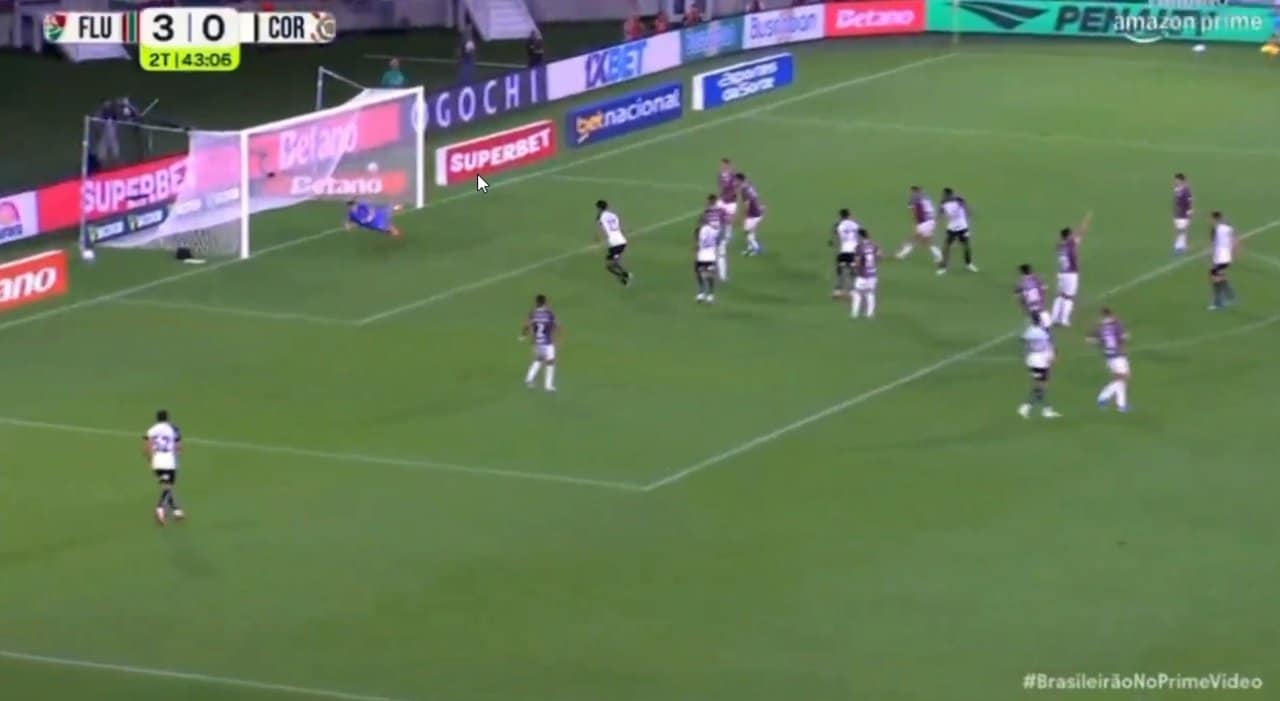
The match took on defining features in the 38th minute of the second half, when the home team launched a quick attack. Rodrigo Castillo, who had entered during the stage, received the ball in favorable conditions and scored the third tricolor goal.
The left-footed shot from the heart of the area seemed to end the visitors’ chances of recovery. The three-goal advantage brought peace of mind for the Rio team to manage ball possession and spend regulation time.
However, the team from São Paulo maintained its offensive persistence and managed to score in the 44th minute. Após a corner kick, André Luiz he positioned himself correctly and finished with his right foot to find the net, changing the score to 3-1.
The duel also recorded moments of high disciplinary tension, especially 10 minutes into the final stage. Allan committed a serious foul and received a straight red card, but the decision was reviewed by VAR and converted into a yellow card.
Disciplinary management and conflict control
Referee Davi of Oliveira Lacerda had to constantly intervene to maintain disciplinary control of the athletes. Além of the move reviewed by the video, players like Matheus Bidu, André and Lucho Acosta received warnings for dangerous entries, highlighting the level of competitiveness and the fierce competition for each space on the Maracanã pitch.
Effectiveness in decisive submissions and defenses
The volume of play generated by both teams resulted in high shooting statistics throughout the 90 minutes. The home team diversified its plays, alternating between long-distance shots of John Kennedy and quick infiltrations that resulted in balls hitting the post, such as the attempt of Kevin Serna.
On the other side, the visiting offensive system came up against the solidity of Rio’s defensive line. Tentativas of Rodrigo Garro and headers of Gabriel Paulista required impeccable positioning from the opposing goalkeeper, which guaranteed the necessary security in moments of greatest pressure.
The difference in the effectiveness of the conclusions was the determining factor for the final result. Enquanto The home team converted their main chances into goals, the visitors wasted crucial opportunities that could have changed the story of the match before the final minutes.
Chronology of the main bids on Maracanã
The detailed record of the match’s events demonstrates how the pace of the game oscillated between moments of tactical dominance and moves of pure physical explosion. Strategic substitutions and warnings shaped the teams’ behavior on the field.
Below, the moments that defined the course of the clash valid for the ninth round of the national championship, highlighting the precision of the attacks and the refereeing interventions:
– 20 minutes: John Kennedy opens the scoring with a left-footed shot after a pass from Kevin Serna.
– 35 minutes: Matheus Bidu receives a yellow card for a foul committed on Samuel Xavier.
– 48 minutes: Hércules extends Rio’s advantage with a precise finish before the break.
– 46 minutes: Início of the second half with entries of Matheus Pereira, Jesse Lingard and Fabrizio Angileri on the visiting team.
– 55 minutes: Intervenção from VAR cancels the expulsion of Allan, converting the punishment to a yellow card.
– 62 minutes: André is warned with a yellow card after a foul in midfield on Renê.
– 76 minutes: Série of substitutions changes the tactical configuration of both teams for the final stretch.
– 83 minutes: Rodrigo Castillo scores the home team’s third goal with a shot from inside the area.
– 89 minutes: André Luiz discounts for the visitors after a corner kick.
Time management in additions
With the announcement of six minutes of injury time by the fourth referee, the home team focused on retaining possession of the ball in the attacking field to avoid any risk of late pressure. Jogadores experienced players such as Ganso and Yeferson Soteldo, who entered the second stage, were fundamental in setting the pace and suffering strategic fouls.
The final whistle confirmed the 3-1 victory, consolidating the strength of the Rio team playing at home. The result reflects the tactical adaptability of the squad, which was able to withstand moments of adversity and strike the opponent at the exact moments of defensive inattention.
Collective performance and next steps
The victory in Maracanã reinforces the tricolor squad’s confidence for the continuation of the national calendar, demonstrating that the spare parts can maintain the required level of competitiveness. The technical committee gains peace of mind to work on the physical aspects with a view to upcoming commitments.
For the São Paulo team, the setback away from home raises an alert about the need for adjustments to the marking system and defensive transition. The focus now turns to immediate recovery in the next round, seeking to rehabilitate the score on the leaderboard.