
Creator accuses influencer of editing face in original image from tennis event By Maria
4 min read
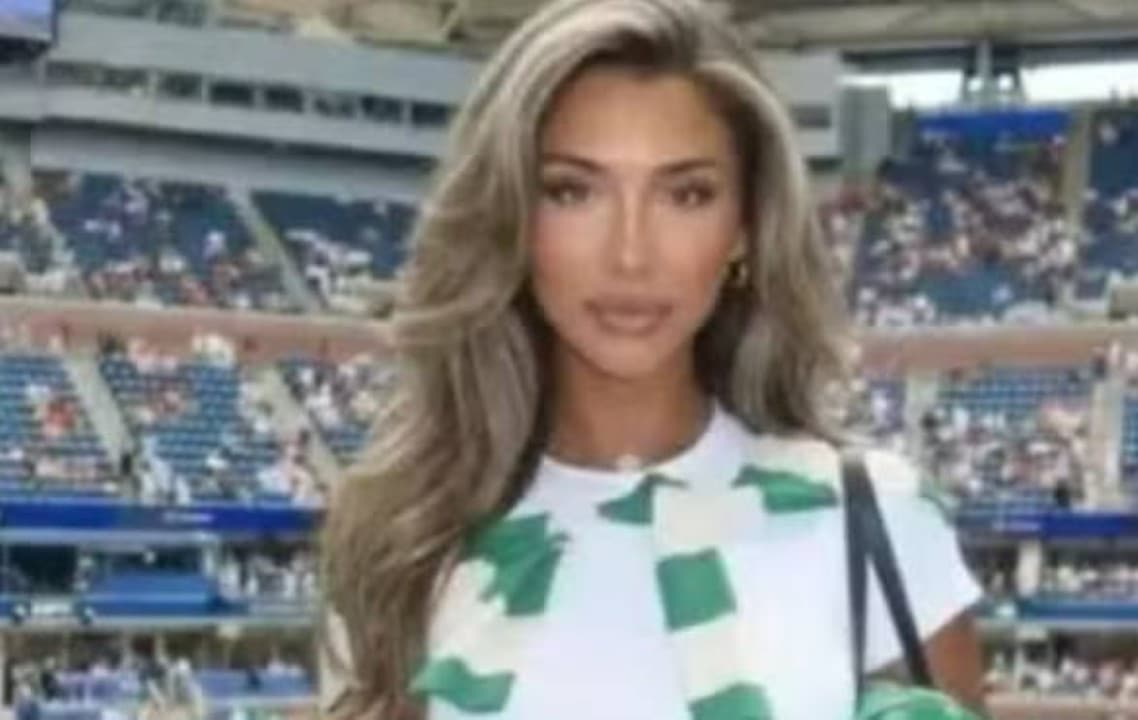 |
A white digital influencer with more than 1.6 million followers published a photo that sparked accusations of digital manipulation. The image showed the body of a black content creator with her face inserted. The post suggested attendance at a recent tennis tournament, but the original photo belonged to someone else and had been taken two years earlier.
Creator Tatiana Elizabeth, who is African-American and has around 350,000 followers on TikTok, identified the edit. Ela shared the two versions of the image side by side. The comparison revealed that the body, clothes, bag Louis Vuitton, tattoo and posture remained identical, with only the head differing.
- The original photo was taken during 2024 US Open, at Nova York.
- The new version indicated location at Miami Open last month.
- Even details such as the positioning of the arms and accessories coincided perfectly.
The discovery gained quick repercussions on social media. Usuários highlighted that the edit appeared to have used artificial intelligence or Photoshop advanced tools to superimpose the face.
Digital editing raises questions about content authenticity
Influencer Lauren Blake Boultier shared the image on her profile at Instagram. The publication conveyed the impression that she had attended the tennis event. The location marked in the post, however, did not correspond to the real setting in the original photo.
Tatiana Elizabeth used TikTok to explain the case to her followers. Ela pointed out the exact similarities between the images separated by two years. The creator also commented directly on the publication Boultier, but did not receive an immediate response at the time.
The controversy intensified when users compared visual details. The background of the original photo showed Arthur Ashe Stadium, US Open’s main stadium in Nova York. In the version published by Boultier, the text indicated Miami, which reinforced suspicions that the image had been altered to create a false narrative of attendance at another tournament.
Details of the original photo and the edited version
The image captured in 2024 showed Tatiana Elizabeth in a look with sneaker-style elements. Ela posed with a luxury bag and green and white clothing. The environment confirmed the location in the American Grand Slam held in Nova York.
Two years later, the same body composition reappeared with the face of Lauren Blake Boultier. The edition preserved all elements of the body and the original scenery. Apenas The head was replaced, raising questions about the purpose of the change.
Digital content experts note that face swap and AI techniques facilitate this type of manipulation. The case illustrates how accessible tools allow faces to be superimposed on other people’s bodies without authorization.
Reactions on networks and removal of the publication
The original post was removed from Boultier’s profile after increased criticism. Usuários shared screenshots and compared photos across different platforms. Muitos questioned the practice of using third-party images to build a public image.
Tatiana Elizabeth reported that she had not been previously contacted by the other influencer. The creator highlighted the discomfort of seeing her body image used without consent. The case gained traction especially in communities that discuss the ethics of using AI on social networks.
Use of AI and implications for content creators
Artificial intelligence tools allow increasingly realistic edits to photographs. In the case involving the two influencers, the overlapping of the face maintained proportions and lighting consistent with the original body. Isso made immediate detection difficult for those who viewed the publication in isolation.
Content creators report an increase in similar cases on platforms such as Instagram and TikTok. The ease of generating manipulated images raises debates about image rights and the veracity of what is shared online. Profissionais from the sector recommend paying more attention to the origin of the photos before publishing.
Lauren Blake Boultier had not yet issued a detailed official statement about the episode at the time of the initial release of the accusations. The photo was removed after the content went viral, but the debate about digital editing practices continued to be active in user comments and publications.
Comparison between the two images
- Identical body, clothing and accessories in both versions.
- Difference restricted to the face and neck region.
- Background scene preserved, but with indication of a different location.
The precision of the editing caught the attention of profiles specialized in image analysis. Eles pointed out that even tattoos and jewelry placement were maintained without visible changes.
Discussion about ethics in photo sharing
The episode reinforces the importance of obtaining authorization before using images that contain bodies or personal elements of third parties. Plataformas Digital images expand the reach of manipulated content, which can affect the credibility of influencers who adopt these practices.
Black content creators have reported recurring cases of misappropriation of images. The current case adds to broader discussions about representation and consent in the online environment. Usuários argue that AI tools should be used responsibly to avoid harm to others.
The repercussion of the episode continues on forums and profiles dedicated to social media topics. Muitos Participants highlight the need for transparency on the part of those who produce content for large audiences.



