

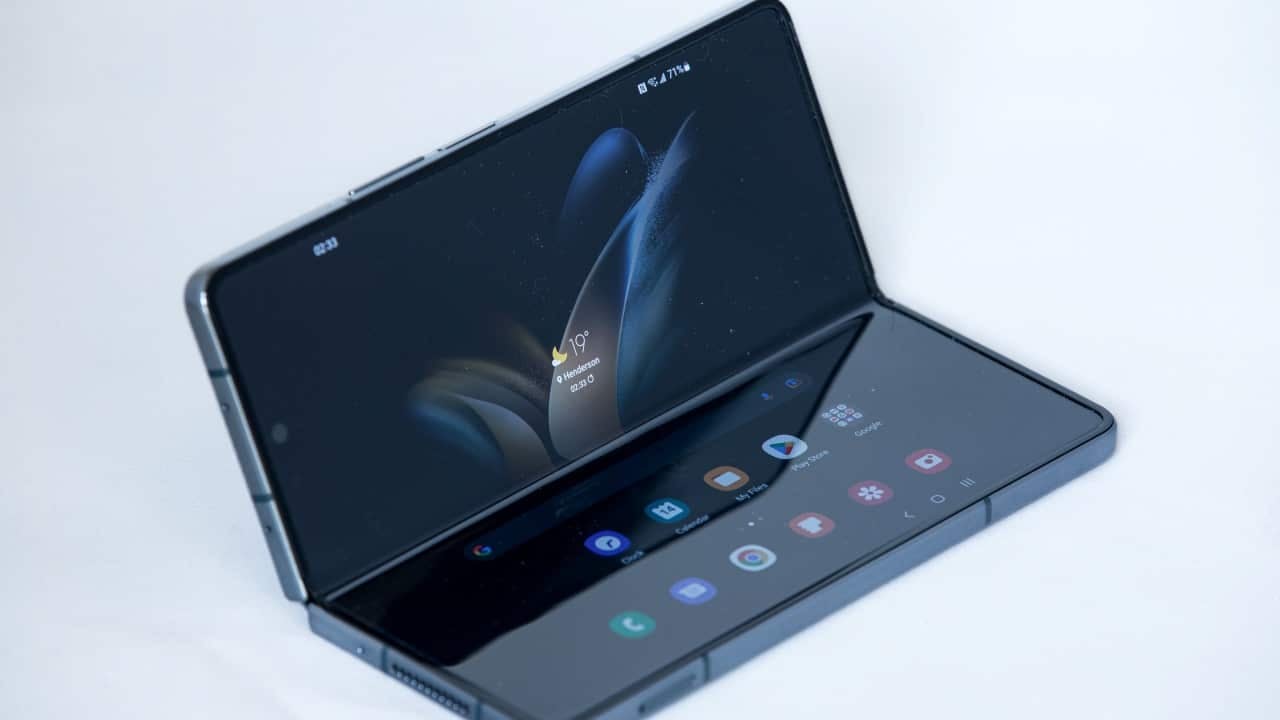
The mobile device industry sees significant progress with the development of a new flexible smartphone format. The South Korean manufacturer responsible for the Galaxy line works on the model identified by the firmware code SM-F971B, which changes the visual standard established on the market.
The focus of the project is on the width of the panel, abandoning the traditional elongated format in favor of a wider viewing area. The equipment will run the One UI 9 interface, built on the Android 17 architecture, guaranteeing high software performance.

The change aims to attract consumers who use the device as their main work tool. The integration between the updated hardware and the operating system promises fluidity in the execution of complex tasks in day-to-day corporate life.
Structural change in design and focus on expanded aspect ratio
The main technical modification of the device lies in the adoption of the 4:3 screen ratio, a break with the almost square format seen in the current generation Galaxy Z Fold7. Essa Geometric configuration brings the user experience closer to that found on high-performance tablets.
Professionals who rely on image editing, reading extensive documents and consuming media will find this format to be a superior ergonomic solution. The chassis engineering was redesigned to accommodate the wider screen without compromising the total weight of the equipment, maintaining the portability demanded by users in the premium segment. The side edges have been reduced by millimeters to maximize the use of the front panel.
- Drastic reduction in the visibility of the central crease in the fold area.
- External finish with highly resistant materials against scratches.
- Optimized weight distribution for one-handed handling.
- Hinge system with uniform pressure microgears.
The durability of the articulation mechanism represents one of the manufacturer’s largest investments in research and development, ensuring that the smartphone withstands intense daily opening and closing cycles. The new flexible display manufacturing method uses advanced polymers that dissipate mechanical stress, preventing premature wear of pixels in the central area and ensuring long-term visual integrity, even under conditions of extreme use by demanding professionals.
Software optimization with new user interface
The implementation of One UI 9 transforms the way the operating system manages the usable space of the expanded screen. The software has been entirely rewritten to support the simultaneous execution of multiple applications, introducing responsive floating windows and a dynamic taskbar that adapts to user behavior. The content transition between the external display and the internal main panel occurs without interruption, keeping the workflow active during the physical opening of the device.
Multitasking features allow the desktop to be divided into independent sections, making it easier to participate in video conferences while the user takes notes or browses the internet. Instant synchronization with other devices in the brand’s ecosystem speeds up the transfer of large files. The wireless DeX mode also received updates, transforming the smartphone into a complete workstation when connected to external monitors, eliminating the need for cables.
Materials engineering and strength of the flexible mechanism
The protection of internal components against bad weather received special attention in the development of the project. The device has updated water and dust resistance certifications, allowing safe operation in outdoor environments and under adverse weather conditions.
An internal sealing system protects the electronic circuits, while drainage channels built into the hinge prevent the accumulation of solid particles. Essa protective architecture prevents damage to the flexible panel and extends the life of the equipment.
Hardware performance and advanced technical specifications
Data processing is carried out by state-of-the-art chips, designed to support very high-speed 5G networks. The hardware includes support for satellite connectivity, ensuring basic communication in remote areas without traditional telephone coverage.
The device’s RAM memory starts at 12GB, with variants reaching 16GB, ensuring the stability of the One UI 9 interface during intense use. Internal storage offers options of up to 1TB for professionals dealing with bulky files.
The main panel has a variable refresh rate, operating between 1Hz and 120Hz to optimize energy consumption according to the content displayed. Maximum brightness has been increased to ensure perfect readability in direct sunlight.
The photographic set features cameras integrated under the internal display, eliminating cutouts on the screen. The rear houses high-resolution sensors with advanced optical zoom, inheriting image processing technologies from the brand’s Ultra line.
Market strategy and positioning in the premium segment
The introduction of an unprecedented format in the foldable device market reflects an aggressive strategy to consolidate the brand’s leadership in the face of growing global competition in the mobile technology sector. The manufacturer seeks to anticipate the demands of consumers with high purchasing power who demand clear differences in usability and design. Scale production at the manufacturing units has already started to ensure simultaneous supply in strategic markets of Ásia, Europa and Américas. The massive investment in proprietary software and the guarantee of prolonged updates of Android 17 position the equipment as a viable corporate tool, capable of replacing lightweight tablets and notebooks on business trips, justifying the price positioning at the top of the premium category.
Integration of artificial intelligence and battery features
The device’s energy management uses new artificial intelligence algorithms to monitor and optimize the consumption of the wide screen. The system learns the owner’s usage patterns and directs processing to the most requested applications.
The battery has a dual-cell design, distributing weight evenly across both halves of the chassis. Essa configuration improves ergonomics and facilitates heat dissipation during tasks that require high graphics performance.
Ultra-fast charging support minimizes time spent at the socket, while reverse charging allows you to transfer power to headphones and smart watches directly from the back of your smartphone.
Enhanced support for apps and digital ecosystem
Compatibility with third-party applications has been expanded through partnerships with global developers. The most popular productivity and entertainment software runs natively in a 4:3 aspect ratio, eliminating black bars on the sides.
The S Pen stylus pen received hardware improvements, featuring lower latency and new gesture shortcut functions. The precision of the lines meets the demands of designers and illustrators who use the device for digital creation.
Global availability expectations and official timeline
The presentation schedule points to the brand’s global event scheduled for July, when the device will share the stage with other updates to the foldable portfolio. The strategy of launching multiple formats aims to cover all luxury consumer preference ranges.