
Palmer says Verstappen’s discontent favors Hadjar’s rise at Red Bull By Thiago Lemos
5 min read
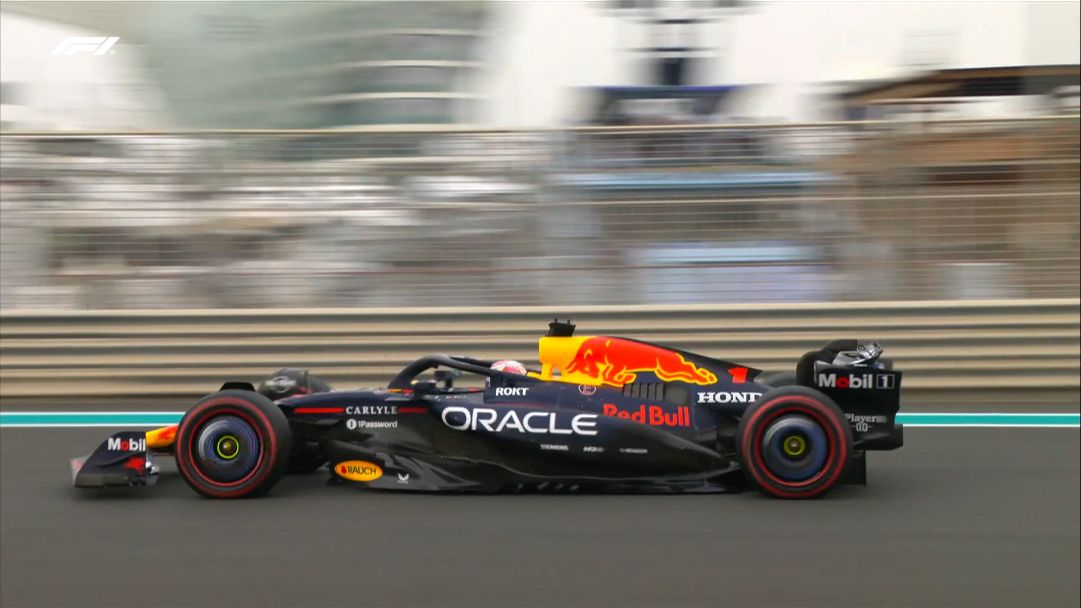 |
The start of the 2026 season of Fórmula 1 has been marked by an unprecedented technical and institutional crisis within the Red Bull Racing team. Após only 16 points in the first three rounds of the world championship, the Austrian team records its lowest performance in the category since 2015. The scenario of uncertainty is fueled by the public stance of Max Verstappen, who has demonstrated constant dissatisfaction with the current set of technical rules for the competition.
The Dutch driver, holder of four world titles, has not spared criticism of the dynamic behavior of the new single-seaters and the energy management requirements. Verstappen gave clear signals that his permanence in the category and in the team itself depends on a quick resolution to the competitive failures presented on the tracks. Diante In this climate of tension, experienced paddock observers are already beginning to glimpse a change of direction in the organization’s internal protagonism.
Technical analysis highlights difficulties in adapting the main pilot
Detailed analysis of the current situation indicates that Max Verstappen’s riding style comes into direct conflict with the demands imposed by current regulations. The driver prefers a car that allows aggressive attacks and more instinctive driving, which becomes impossible with complex battery management and energy recovery tactics. Especialistas point out that the need for patience and focus on microscopic technical details has worn down the Dutch competitor’s mental state.
The performance of Red Bull on asphalt reinforces the thesis that the development of the project did not reach the initial objectives for this cycle. Mesmo With track executions considered solid, the car has only been able to fight for intermediate positions, rarely surpassing seventh or eighth place. Esse Performance ceiling frustrates the lead driver, who has historically been accustomed to making a difference through sheer skill regardless of mechanical limitations.
Isack Hadjar emerges as a strategic alternative for the future
- The young French driver Isack Hadjar has shown consistent results and superior adaptability to new racing conditions.
- The positive energy and willingness to collaborate with technical development differentiate the newcomer from the current stance of Verstappen.
- Team engineers find Hadjar a support point for unifying telemetry data without the noise of public complaints.
- The rookie’s motivation acts as a catalyst for the morale of the mechanics, who face exhausting journeys to try to recover lost performance.
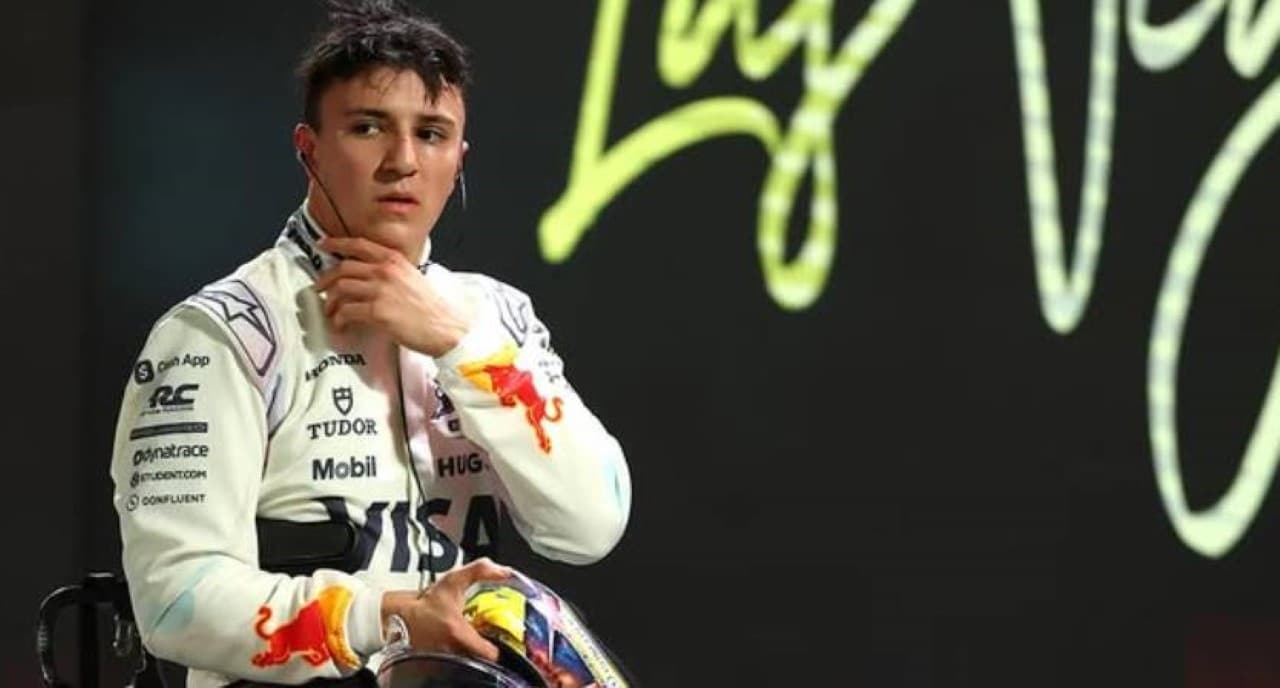
The rise of Hadjar occurs at a time when the Red Bull garage is experiencing a dangerous duality between the frustration of its biggest star and the hope for a new talent. Jolyon Palmer, GP2 champion and former Fórmula 1 driver, highlights that Verstappen’s sincerity about not having fun creates a leadership vacuum. Para Hadjar, this is the ideal scenario to demonstrate that the team can unite around its leadership and technical vision for the next stages of the international calendar.
Operational challenges and crisis management in the Fórmula 1 environment
Keeping a driver of Verstappen’s caliber motivated while he openly expresses his discontent is one of the most arduous tasks for any team manager. The situation at Red Bull is described as difficult, as the atmosphere inside the pits directly reflects the pessimism demonstrated in interviews following the qualifying sessions and races. Embora The Dutch maintain their professionalism and work ethic, the lack of driving pleasure is a factor that erodes long-term stability.
The current Fórmula 1 technical structure requires the pilot to act almost like a software engineer inside the cockpit, monitoring several systems simultaneously. Enquanto Some competitors embrace this digitalization of the sport, others miss “old-fashioned” driving, focused on track and braking. Red Bull now needs to decide whether to continue trying to mold the car to Verstappen’s preferences or focus on developing a base that better meets the profile of Hadjar and the new talents.
Impact on immediate results and the world championship table
The numbers from the first three races are a stark warning for the Red Bull leadership, which has not seen its record so far from victory in more than a decade. The loss of important points in the initial rounds compromises the chances of competing for the constructors’ title, even affecting the distribution of bonuses and investments for the following year. The immediate engineering focus in Milton Keynes is to identify whether the problems are fundamental in the chassis design or lie in the power unit integration.
Max Verstappen’s patience appears to be wearing thin as the gap to the leaders of Mercedes and Ferrari increases with every kilometer covered. If the team fails to deliver a vehicle capable of fighting for podiums, the narrative of a possible early retirement or team transfer will gain full force. Nesse time frame, Isack Hadjar continues to collect valuable data and gain the trust of directors looking for a solid contingency plan.
Perspective of technical evolution and focus on the next races on the calendar
The technical team is working on urgent aerodynamic upgrades that must be introduced in the next steps at Europa to mitigate the speed deficit. The expectation is that these changes will help balance the car, making it less sensitive to variations in track temperature and tire wear. Enquanto new parts are not arriving, the guideline is to extract as much as possible from current resources, keeping Hadjar on a trajectory of constant growth.
The leadership of Red Bull seeks to calm internal tensions through alignment meetings between the pilots and the engineering department. The aim is to transform Verstappen’s criticisms into constructive guidelines for the car’s evolution, although driver resistance to the rules remains a philosophical obstacle. Isack Hadjar, in turn, remains focused on his simulator and physical preparation routine, taking advantage of every opportunity to consolidate his position as the future pillar of the organization on the tracks.