
Toto Wolff warns of negative impact if Verstappen decides to abandon Formula 1 By Thiago Lemos
5 min read
 |
The possibility of Max Verstappen leaving the grid of Fórmula 1 at the end of the 2026 season has become the main topic of discussion behind the scenes of Grande Prêmio. emotional state of the Dutch driver and the risk of the category losing its main talent. Segundo the Austrian leader, the four-time champion’s dissatisfaction with the direction of the sport is evident and could accelerate a drastic decision about his career.
The scenario of an early retirement, which was previously treated as just a distant rumor, has gained reality after recent exhibitions and technical criticism from Verstappen. The driver of Red Bull Racing has shown constant dissatisfaction with the cars’ drivability under the new guidelines and excessive commercial commitments. Wolff highlighted that, for a competitor at Max’s level, the pleasure of driving at the limit is the fundamental fuel, and this element seems to be gradually disappearing from the athlete’s routine.
The critical points highlighted by the pilot and his surroundings include:
- The excessive complexity of power management in engines that will be introduced in 2026.
- The loss of the mechanical essence in favor of electronic systems that limit the technical challenge for the driver.
- The exhausting schedule that reduces recovery time and quality of life outside the international tracks.
- The feeling that overtaking has become artificial due to the new aerodynamic packages imposed.
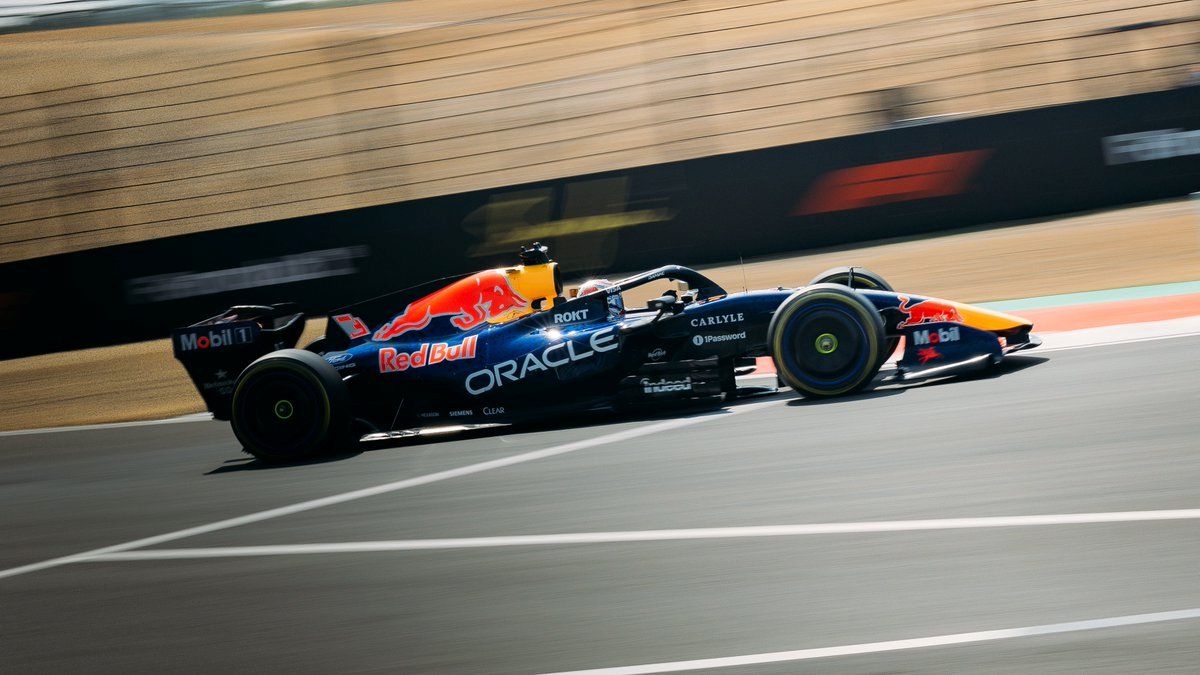
Criticism of the 2026 technical regulation drives uncertainty
The profound changes planned for the 2026 technical regulations are the epicenter of the motivation crisis faced by the current world champion. Verstappen has been vocal in stating that the new format prioritizes electrical efficiency over raw power and pure driver skill. Essa vision is shared by members of its technical team, who see the sport moving away from the characteristics that established Fórmula 1 as the pinnacle of global motorsport.
Toto Wolff reinforced that the loss of a star of this caliber would be a severe blow to the commercial and technical image of the competition on a global scale. Embora has ruled out any move to sign the Dutchman at the moment, the Austrian insists that the health of the category depends on the retention of its best talents. The balance between technological innovation and the real physical challenge of driving a high-performance car seems to be broken in the eyes of the protagonists in the paddock.
Statements from Jos Verstappen accentuate concern at Red Bull
Jos Verstappen, the pilot’s father and influential figure in his career management, corroborated Wolff’s words by mentioning that his son’s motivation is being tested daily. Ele stated that driving a Fórmula 1 car used to be the most enjoyable activity in Max’s life, but that current cars do not offer the challenge necessary for someone with his technical ability. The former driver fears that, without the adrenaline of exploring true limits, the four-time champion will see no reason to continue competing at a high level.
Red Bull’s lack of absolute dominance in the current season also contributes to a climate of internal instability that is reflected in press conferences. Sem the equipment capable of delivering the desired performance, the mental strain of Verstappen becomes more visible to opponents and the specialized media. Energy management and the impossibility of getting the most out of the car in qualifying sessions are factors that deeply irritate the Dutch competitor, as reported by sources close to the Milton Keynes team.
Mercedes maintains focus on current duo despite rival turbulence
Even demonstrating empathy for Verstappen’s situation, Toto Wolff was emphatic in declaring that Mercedes does not plan changes to its pilot roster for the next cycle. The German team seeks internal stability while observing from afar the emotional breakdown of its main rival in recent years. Wolff prefers to remain focused on developing its own power unit for 2026, ensuring that its current drivers are integrated into the technological transition process.
The positioning of Mercedes serves to calm rumors of a possible bombastic transfer, focusing the debate exclusively on Max’s stay in the sport. Para analysts, Wolff’s move is strategic, as it puts pressure on Automobilismo (FIA) for the regulations to be revised. The common interest of all big teams is to maintain public appeal, which becomes difficult without charismatic and dominant figures like the young talent of Holanda.
Impact on global audience and category market value
The possible departure of a young and successful idol directly impacts the audience metrics and sponsorship contracts that support the ecosystem of Fórmula 1. Verstappen attracts a legion of fans, especially at Europa, and his absence would leave a leadership vacuum difficult to be filled by other competitors of the new generation. The betting market and streaming platforms that invest in the sport already carefully monitor every statement made by the driver and his direct advisors.
Engagement statistics show that Max Verstappen’s presence is responsible for significant spikes in digital viewership during official broadcasts. Caso retirement is confirmed at the end of the next cycle, Liberty Media will have the challenge of rebuilding the category’s rivalry narrative without its main antagonist. The alert from Toto Wolff resonates as a call for sports managers to reevaluate whether technological modernization is not sacrificing athletes’ entertainment and individual brilliance.
Technical perspective on the challenge of new engines
Automotive engineering experts point out that Verstappen’s discouragement has solid technical foundations related to energy recovery. The new system will require riders to purposely reduce speed in certain sections to recharge their batteries, which goes against the natural instinct of any sprinter. Essa The change in racing dynamics is what has bothered the Dutchman the most, who prefers more organic and aggressive driving, free from such severe electronic restrictions.
Federação Internacional of Automobilismo has defended the changes as necessary for environmental sustainability and to attract new manufacturers to the championship. However, the clash between the FIA’s institutional vision and the practical experience of elite drivers promises to intensify in the coming months. Max Verstappen continues to be the thermometer of this dissatisfaction, and its final decision will serve as a verdict on the success or failure of the category’s planning for the next decade.