

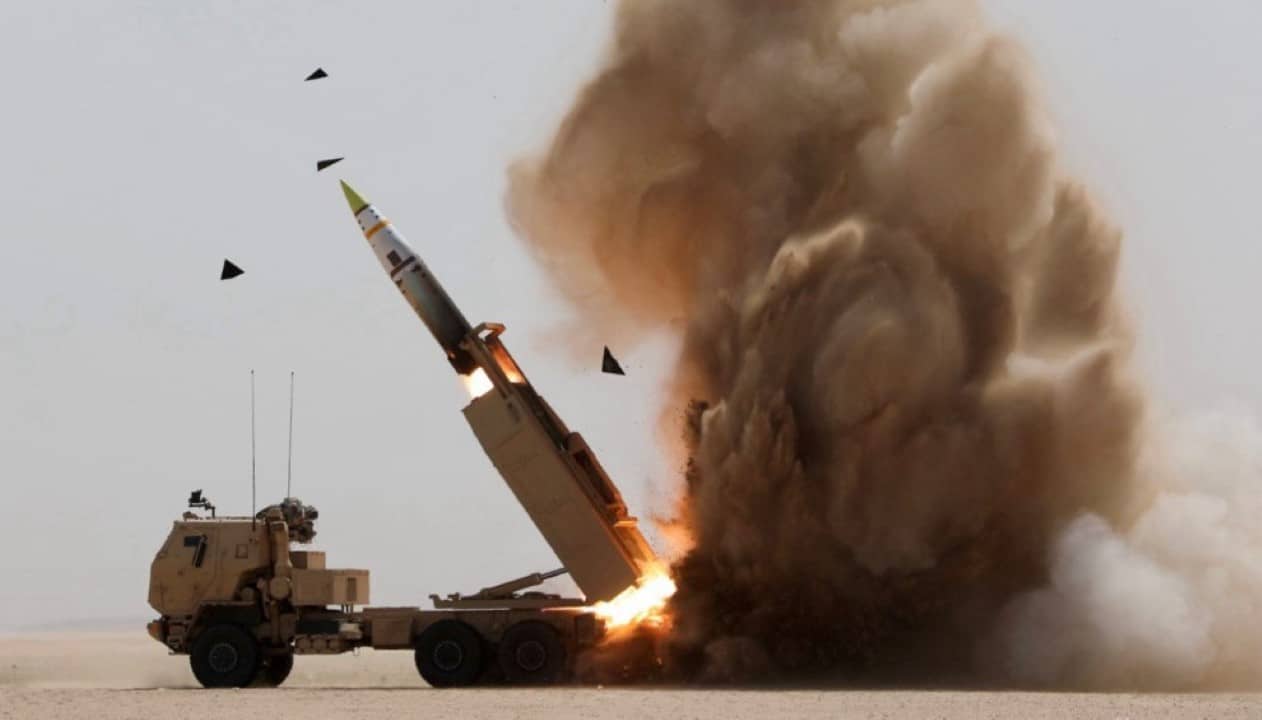
An agreement to pause the clashes between Estados Unidos and Irã, lasting two weeks, was reached at a time of high tension. The news came just a few hours after the then president of the USA, Donald Trump, issued serious threats to destroy Irã’s “entire civilization”. The nature and scope of the pact, however, remain with many uncertain points.
The temporary ceasefire initiative aimed to alleviate the escalation of hostilities that had been characterizing relations between the two nations. Este The diplomatic movement, although fragile, represented an abrupt turn in war rhetoric. The international community watched developments with caution, given the unpredictability of the scenario.
The atmosphere was one of global apprehension, with fears of a major conflict in Oriente Médio. The announcement of the truce brought a brief respite, but did not completely dispel concerns about the latent instability. The dynamics between the parties remained under intense scrutiny.
The intensity of presidential rhetoric
Before the truce was announced, Casa Branca had intensified pressure on Irã with strong statements. President Donald Trump, on several occasions, used strong language to criticize Iranian actions and reiterate the American position of not tolerating certain activities in the region. The threat to “destroy the entire civilization” of the Persian country highlighted the level of animosity.
This aggressive rhetoric, often transmitted through digital media and press conferences, was a constant element in the administration’s foreign policy at the time. Ela served both as a warning to Teerã and a way to solidify domestic support for the measures adopted. The belligerent tone was part of a “maximum pressure” strategy, which sought to isolate Irã economically and politically on the world stage, leading to an exponential increase in sanctions.
Details of the provisional pact
The agreement in question established a temporary cessation of hostilities for a period of fourteen days. Este break was intended as a window for both parties to reassess their positions and possibly open more formal channels of communication, although details about the exact terms of the understanding and who brokered it have not been widely publicized.
The truce covered the commitment to avoid direct and indirect military clashes, seeking to reduce the risks of incidents that could trigger a greater escalation. However, the lack of clarity regarding verification mechanisms and the consequences of a possible violation of the pact generated considerable doubts among foreign policy analysts and observers. Era A significant step but shrouded in uncertainty.
Historical tension and its roots
Relations between Estados Unidos and Irã are marked by decades of distrust and antagonism, dating back to 1979’s Revolução Iraniana and the hostage crisis. Desde Then, a series of events, including support for different sides in regional conflicts, disputes over Iran’s nuclear program, and economic sanctions, deepened the rift.
The US withdrawal from the Iranian nuclear deal, the Plano of Ação Conjunto Global (JCPOA), in 2018 was a pivotal point that reignited intense tensions. Essa unilateral decision led Irã to partially resume its uranium enrichment program, defying the international community. The Golfo Pérsico region has become a constant stage for shows of force and maritime incidents.
Both nations accused each other of destabilizing Oriente Médio. Irã criticized the American military presence and its alliances in the region, while the US pointed to Iranian support for paramilitary groups and its ballistic missile program as security threats. Fiery rhetoric from both sides contributed to a vicious cycle of distrust.
The Ormuz Strait, a vital route for global oil transportation, often became a flashpoint, with incidents involving tankers and naval forces. The American military presence in the region was seen by Teerã as a provocation, while Washington justified it as a measure to protect its interests and those of its allies. The situation remained in a precarious balance.
International reactions and expectations to the truce
News of a temporary ceasefire between Estados Unidos and Irã was met with a mix of relief and skepticism from the international community. Muitos countries expressed hope that the agreement could be a first step towards a more lasting de-escalation, avoiding a large-scale conflict that would have global repercussions. International Organismos, like Nações Unidas, generally encourage diplomatic initiatives to resolve disputes, and this agreement was no exception, being seen as an opportunity to reduce aggressive rhetoric.
However, the history of complex relations and deep divergences between the two nations tempered any excessive optimism. US Aliados in the region, like Arábia Saudita and Israel, followed developments with particular attention, aware that any change in the balance of power could impact their own security. Eles frequently expressed concerns about Iranian influence in the region.
Persistence of challenges to regional stability
Despite the momentary relief brought by the truce, the challenges to achieving lasting stability in Oriente Médio persist and are multifaceted. The region is a cauldron of geopolitical interests, historical rivalries and proxy conflicts that transcend the direct dispute between Estados Unidos and Irã. The two-week agreement, while welcome, did not address the structural issues fueling the tension.
The Iranian nuclear program, support for non-state groups in countries such as Iêmen, Síria and Líbano, and foreign military presence remain deep points of contention. The complexity of the scenario requires not only bilateral agreements, but also multilateral engagement and a comprehensive approach to resolve the underlying causes of conflicts and promote regional cooperation.
Furthermore, internal political instability in several Oriente Médio nations, combined with economic and social crises, creates fertile ground for the proliferation of extremism and the intensification of disputes over resources and influence. Qualquer Temporary truce only serves to postpone confrontation if the fundamental issues are not addressed with seriousness and a genuine commitment to peace by all actors involved, including regional powers.
Future paths of diplomacy in focus
The two-week truce between Estados Unidos and Irã, despite its provisional nature, highlighted the importance of diplomacy as a tool to mitigate international crises. The search for negotiated solutions, even in high tension scenarios, remains the preferred route to avoid catastrophic conflicts. The outcome of this momentary pause will be crucial for outlining the next steps in relations between Washington and Teerã, as well as for the future of regional security.