

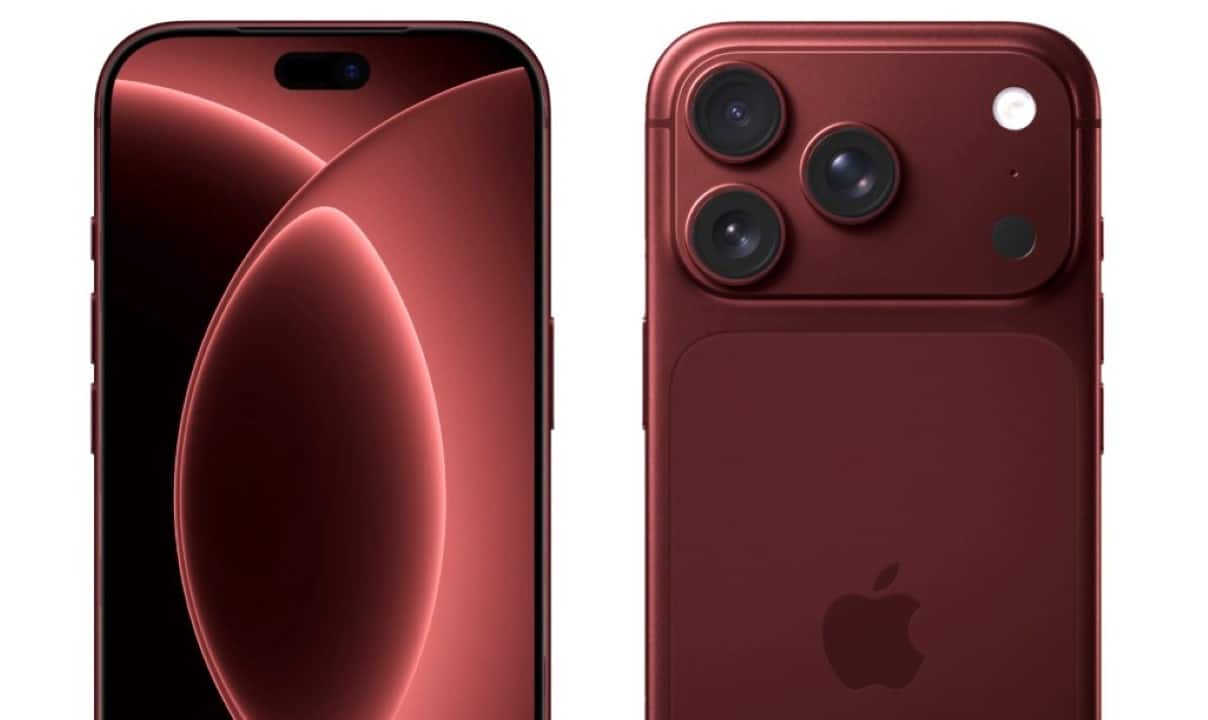
The technology giant based in Cupertino has begun preparations to introduce a drastic overhaul of its main line of mobile devices, expected to hit the global market in September. The ongoing project involves the creation of a high-performance device that will bring profound aesthetic and functional changes, marking a new phase in the brand’s hardware development. Engenheiros and designers work together to enable the implementation of a semi-transparent back panel, an unprecedented feature for the company, combined with a power component that exceeds the 5000mAh mark. Essa change requires a complete restructuring of the motherboard, cooling system and internal connectors, ensuring that visual aesthetics do not compromise the safety and efficiency of the equipment.
Internal architecture and high-resistance materials
The adoption of a translucent back imposes stringent demands on the selection of raw materials and the device manufacturing process. The glass used needs to undergo specific chemical treatments to prevent yellowing over time, in addition to offering superior resistance against accidental drops and scratches. The side structure will maintain the use of titanium, a material that gives lightness and durability to the device’s main chassis.
To accommodate the new visual identity, the internal components gained a darkened finish and a symmetrical organization, allowing the user to view selected pieces through the glass. The heat dissipation system has been completely redesigned, incorporating graphene plates and vapor chambers made from liquid crystal polymer. Essa advanced thermal solution works quickly to move heat away from the processor and battery, maintaining stable performance even during intensive tasks.
Front panel optimization and hidden sensors
The new equipment’s display features considerably thinner edges compared to previous generations, maximizing the usable viewing area. The professional line models will feature 6.3-inch and 6.9-inch screens, depending on the variant chosen by the consumer. The engineering behind this screen involves the relocation of sensors that are fundamental to the functioning of the biometric system.
Facial recognition technology and the front camera have been positioned under the organic light-emitting diode panel, eliminating the need for visible cutouts at the top of the screen. Essa modification expands the space available for displaying operating system information and application notifications. The light transmission rate in the sensor area has been improved to ensure that the quality of photographs and unlocking accuracy are not interfered with.
Software developers are already receiving preliminary guidance to adapt their program interfaces to this new screen ratio. The absence of visual interruptions on the display favors the consumption of multimedia content and immersion in high-fidelity graphics electronic games. The adjustment to the screen aspect ratio represents the most significant change to the device’s front interface in recent years.
Energy capacity and transition to virtual connectivity
The device’s power module registers the largest capacity ever implemented by the manufacturer in a cell phone, reaching up to 5200mAh in its most robust version. The substantial increase in autonomy meets a long-standing demand from intensive users and compensates for the high consumption of new processors and artificial intelligence resources. The battery’s architecture uses high-density compounds to store more energy without increasing the physical volume of the part.
Preliminary tests indicate that the device’s continuous use time has increased considerably, allowing the device to operate for long periods away from power sources. Fast charging has also received updates, with thermal management algorithms that preserve power cell life during high-speed charging. Software optimization directly contributes to reducing background consumption.
Another profound structural change is the definitive removal of the physical tray for operator cards in all global markets. The unique transition to virtual chip technology frees up valuable space inside the chassis, which was immediately repurposed for battery expansion and the inclusion of new photo sensors. The absence of side openings also increases the degree of protection against the entry of liquids and dust particles.
Telecommunications companies around the world are accelerating the adaptation of their systems to support the remote activation of mass telephone lines. The change standardizes the production line in Asian factories, simplifying distribution logistics and reducing the complexity in assembling devices destined for different geographic regions.
Advanced processing and artificial intelligence integration
The smartphone’s processing core is powered by a chip manufactured using two-nanometer lithography. Essa technology reduces the distance between transistors and multiplies the calculation capacity per square millimeter. The component works in conjunction with 12 gigabytes of random access memory. Juntos, form a set of hardware specifically designed to execute complex language models and machine learning tasks locally. Running artificial intelligence processes directly on the device guarantees greater user privacy and reduces response time to voice commands.
The processor architecture divides tasks between high-efficiency cores and maximum performance cores. The system activates each group according to the requirements of the application in use at that exact moment. Essa intelligent resource management avoids wasting energy during simple activities, such as browsing the internet or reading texts. At the same time, the device reserves firepower for rendering videos in very high resolution. The operating system has been rewritten in key parts to take advantage of this division of tasks. The practical result is fluid navigation and the instant opening of heavy programs.
Photographic system and satellite communication
The rear camera array introduces a variable aperture mechanism into the device’s main lens. Essa Mechanical change allows physical control of the amount of light that reaches the image sensor during the click. The technology, inherited from professional photographic equipment, offers the user the ability to adjust the depth of field optically. This makes it possible to create natural blurs in portraits and capture extremely sharp images in environments with poor lighting. Image processing software works in parallel, using advanced algorithms to combine multiple exposures into a single final photograph. Esse Processing corrects lens distortions and improves color fidelity in real time, before the image is even saved. Além of optical innovations, the satellite communication module has been significantly expanded by engineers. The system now supports not only sending emergency messages but also transmitting small media files. Chamadas short voice calls in areas lacking traditional cellular network coverage also become viable. Antenas high sensitivity sensors were distributed along the titanium frame to capture orbital signals with greater speed and stability.
Movement in the Asian supply chain
The network of suppliers responsible for assembling the equipment began calibrating its production lines to meet the specifications of the new project. Large-scale manufacturing of key components is scheduled for the second quarter of the launch year, ensuring global inventories are filled in time for official distribution. The high development cost and the use of premium materials indicate that the device will occupy the highest price range in the mobile technology segment.
Expectations from the mobile technology sector
The introduction of a translucent design and elimination of traditional physical components represents a risky but calculated move to attract consumers seeking visual and functional innovation. Analistas market closely observe adaptations in factories, as the production volume required by the brand usually dictates the pace of parts supply for the entire smartphone industry.
The successful implementation of the ultra-high capacity battery and optimized cooling could establish a new standard of demand among buyers of premium devices. Competition in the mobile device sector is preparing to respond to these innovations, accelerating the development of proprietary heat dissipation technologies and miniaturization of electronic components.