
Apple launches new iPhone 18 Pro with translucent chassis and 5200 mAh battery on the global market

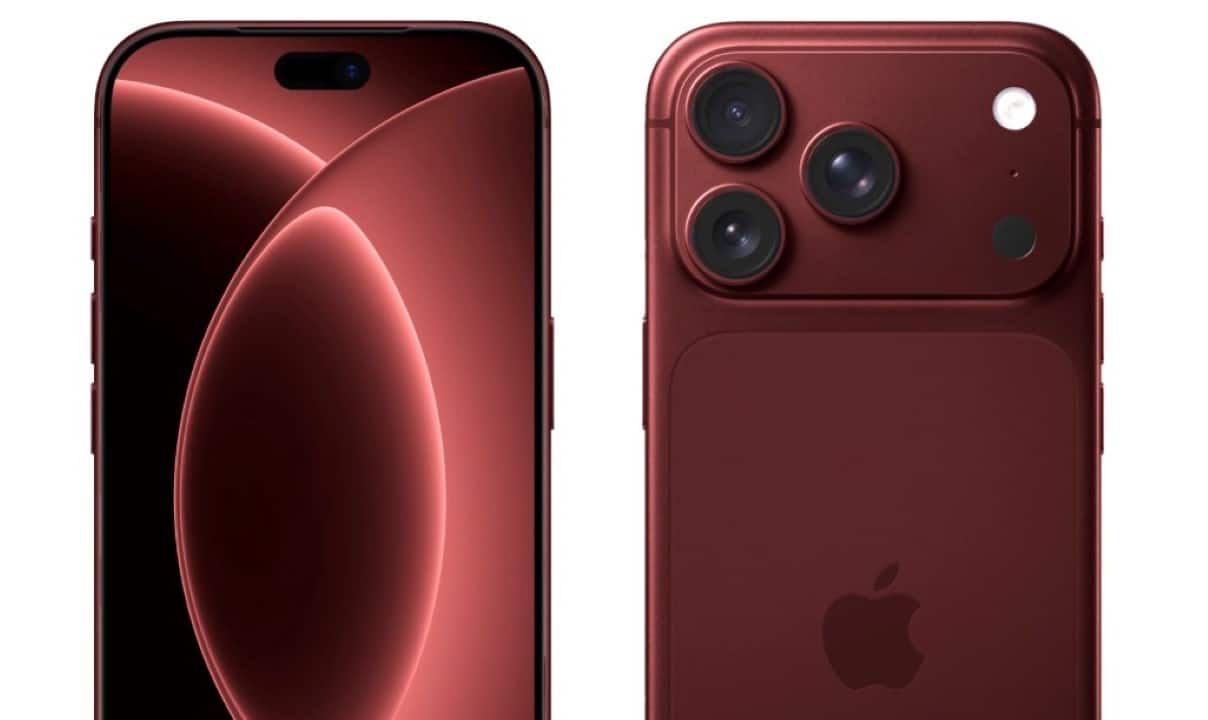
The electronics manufacturer finalizes preparations for the introduction of its latest high-performance mobile device on the international market. The new device presents substantial changes to its internal and external engineering, marking a technical change in the company’s production line. The main focus of development is on the physical restructuring of components to accommodate new power and processing technologies.
Distribution planning establishes the arrival of the equipment in stores in different countries during the month of September. Large-scale manufacturing is already mobilizing suppliers at Ásia, who adapt their assembly lines to meet the unprecedented specifications required by the project. The device integrates aerospace materials combined with new chemical processes for glass fusion.
The structural changes aim to resolve physical limitations of previous generations, allowing the inclusion of larger power modules and more efficient thermal dissipation systems. The hardware engineering team modified the arrangement of the motherboard and optical sensors to optimize the internal space available in the chassis, ensuring the integrity of the components.
Translucent structure and aerospace materials
The exterior design of the equipment introduces a translucent rear panel, developed through a chemical process of etching and polishing high-resistance glass. Esta visual feature allows direct observation of internal components such as the induction charging coil and parts of the cooling system. The glass alloy receives a specific treatment to avoid signs of use and maintain durability against daily impacts.
The device’s side frame uses aerospace-grade titanium, a material chosen for its relationship between weight and mechanical resistance. The metal machining process has been refined to ensure precise integration with the front and rear panels, eliminating gaps that could compromise the device’s water and dust resistance certification.
Energy capacity and thermal dissipation
The system is powered by a 5200 mAh battery, representing an increase in volume and charge density compared to models manufactured in previous years. The power cell uses a new chemical composition that slows the natural degradation of lithium ions, extending the component’s useful life even under rapid recharge cycles and intense use.
To manage the heat generated by the larger battery and high-performance processor, engineering implemented a cooling system based on an enlarged vapor chamber. Placas of graphene were strategically distributed over the critical components, transferring the elevated temperature to the titanium frame, which acts as a passive heat sink.
Thermal stress tests indicate that the new cooling architecture keeps the device at safe operating temperatures when performing complex tasks such as high-resolution video recording and processing advanced algorithms. Thermal stability prevents the forced reduction of processor performance, known as thermal throttling.
Advanced processing and working memory
The device’s processing core is equipped with a chip manufactured using 2-nanometer lithography. Esta Transistor miniaturization technology allows the inclusion of billions of additional components in the same physical space, resulting in a direct gain in calculation execution speed and a reduction in electrical energy consumption during background operations.
Random access memory has been expanded to 12 GB, a technical requirement necessary to support the new local data processing functions. The increased RAM capacity makes it easier to keep multiple applications open simultaneously and speeds up the transition between heavy tasks, without the need to reload information from internal storage.
The neural engine integrated into the main processor received additional cores dedicated exclusively to processing machine learning routines. Esta hardware modification allows the device to perform voice recognition tasks, automated image editing and simultaneous translation without relying on constant connection to cloud servers.
The security of data processed locally is managed by a secure enclave physically isolated from the rest of the operating system. Biometric information and encryption keys remain restricted to this module, blocking data extraction attempts by malicious software or unauthorized physical access to the equipment’s hardware.
Display technology and biometric sensors
The device’s screens measure 6.3 inches in the standard model and 6.9 inches in the larger version, both using OLED panels with micro-lens array technology. Este optical system redirects the light emitted by the diodes directly towards the user, increasing the maximum brightness of the screen in sunlit outdoor environments, while reducing battery power consumption. The panel’s refresh rate adjusts dynamically according to the content displayed, ranging from minimum frequencies for reading static texts to high rates for playing videos and fluid animations in the system interface.
The biometric facial recognition system underwent a physical restructuring, resulting in a 35% reduction in the space occupied by sensors at the top of the screen. Parte of the infrared light emitters and optical receivers has been relocated below the OLED panel, allowing a larger usable display area for the user. The accuracy of the three-dimensional reading of the face was maintained, ensuring quick unlocking of the device and secure authentication in financial transactions, even in conditions of total absence of ambient lighting or with the use of facial accessories.
Satellite connectivity and removal of physical components
The device’s communications infrastructure has been updated with a new radio frequency module capable of establishing direct connections with satellite networks in low orbit, allowing the sending of text messages and location data in areas lacking traditional cell phone coverage. Para to accommodate the larger antennas required by this technology and free up cubic space for the 5200 mAh battery, the manufacturer took the technical decision to completely eliminate the physical tray for SIM cards in all models destined for the global market. The definitive transition to eSIM technology requires telecommunications operators to provide digital profiles for activating telephone lines, a process that eliminates the risk of damage from water infiltration through the chip compartment and increases security against unauthorized removal of the line in cases of lost or stolen equipment. The absence of moving parts on the side of the chassis also simplifies the assembly line and reduces production costs associated with precision machining of titanium.
Asian production and distribution logistics
The industrial facilities located at Ásia operate at maximum capacity to guarantee the volume of units necessary for simultaneous launch on several continents. Suppliers of electronic components and camera modules have established new quality control protocols to meet the millimeter tolerances required for assembling the translucent chassis and reduced bezel display.
Software updates and hardware integration
The device’s embedded operating system has been rewritten to take advantage of the new 2-nanometer processor architecture and expanded RAM memory capacity. Software power management monitors application usage in real time, disabling idle processes to direct battery charge exclusively to the user’s active tasks.
The integration between the physical hardware and the system’s algorithms ensures that the transition between terrestrial telephone networks and satellite communication occurs imperceptibly. Network protocols have been optimized to maintain signal stability in dense urban environments and isolated rural areas, ensuring continuity of data transmission.




