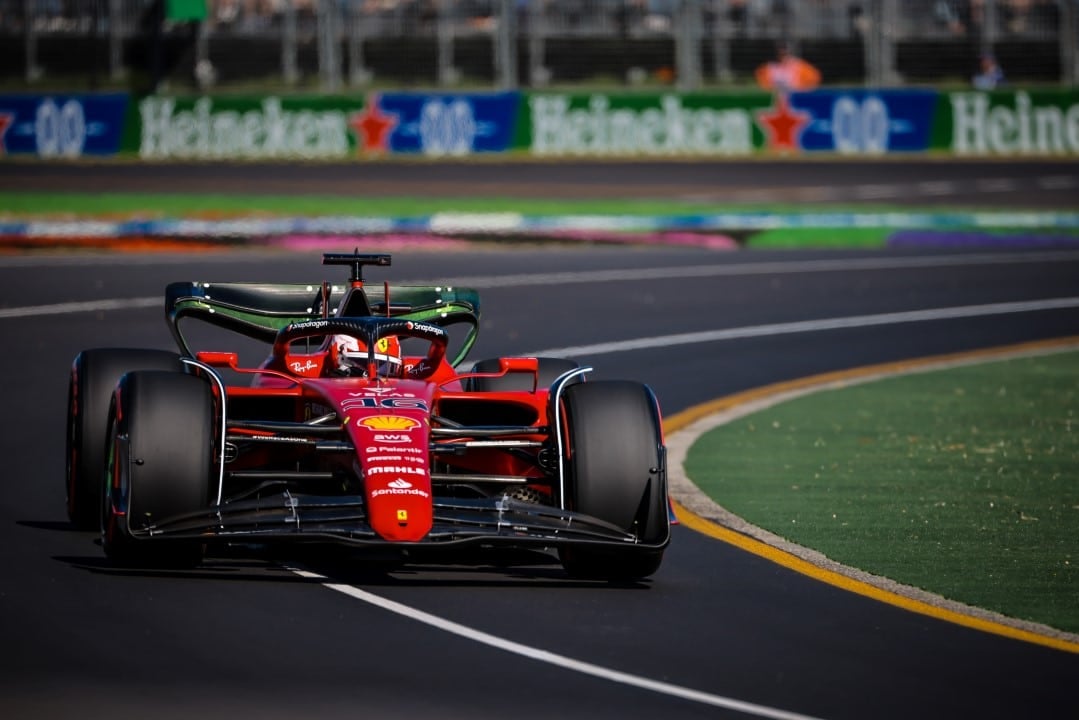
The Ferrari seeks to close the gap to the dominant Mercedes at the start of the 2026 season from the Fórmula 1. The new technical rules introduced this year generate intense debates between teams, drivers and experts. Após three Grandes Prêmios contested, the German team has a clear advantage in general performance, while the Italian team shows the potential to get closer with specific adjustments.
Kimi Antonelli, from Mercedes, has accumulated recent victories and leads the championship with remarkable consistency. The young driver quickly adapts to the new regulations, contributing to the team’s dominance in qualifying sessions and races. Ferrari, in turn, has Charles Leclerc as its main reference and records good performances in specific sections, but faces obvious limitations on long straights.
- Mercedes won the first three stages of the 2026 season
- Ferrari appears as the second main force on the current grid
- McLaren maintains competitive pace close to the leaders
- Aston Martin records greater adaptation difficulties
Team performance in the first rounds of F1 2026
The 2026 season marks the implementation of the most polarizing rules in the category’s recent history. The cars feature smaller dimensions, reduced weight and greater emphasis on the electrical component of the power unit, with a split of close to 50% between electrical energy and internal combustion. Essa configuration allowed a significant increase in the number of overtakes in the three initial races, including the Japão GP, which saw more constant action compared to the previous year.
Pilots report situations in which automatic energy management directly interferes with piloting strategies. Charles Leclerc mentioned that maximum efforts in Q3 result in a loss of speed on straights because the system prioritizes battery balance. Lando Norris described an episode in which the car unexpectedly decided to overtake during a maneuver at the chicane, creating additional risk on the track.
Analysis of the pros of the new F1 2026 rules
The 2026 vehicles demonstrate superior ability to keep up with rivals over shorter distances during races. The races so far have recorded a greater volume of wheel-to-wheel disputes, with overtaking that does not depend exclusively on differences in available electrical energy. This year’s Japão GP offered a more dynamic spectacle than the previous edition, with multiple position changes throughout the 53 rounds.
Smaller and lighter cars favor agility in low and medium speed curves. The reduction in downforce combined with narrower tires changes aerodynamic behavior and requires adaptation from drivers. Equipes who dominated the previous era face a new balance of forces, which opens up opportunities for rearrangement on the grid throughout the season.
Cons identified in the F1 2026 technical regulations
Energy management creates situations where pilots need to adopt conservative strategies even in decisive moments. In qualification, the system limits the possibility of maximum continuous attacks, as battery depletion compromises subsequent sectors. Leclerc highlighted that consistency is now worth more than extreme risks, changing the traditional style of driving in elimination sessions.
Incidents such as the crash of Ollie Bearman into Suzuka and the high-speed approach of other competitors have reignited discussions about safety. Diferenças Abrupt speeds generated by variations in the delivery of electrical power increase the risk of collisions in braking or acceleration zones. The FIA analyzes specific adjustments to mitigate these effects without completely changing the concept of the rules.
Drivers’ reactions to the new racing format in F1 2026
Several competitors expressed frustration with the on-board computer’s interference in decisions that previously depended solely on human skill. Situações Forced lift and coast or unexpected activation of recovery modes alter the natural flow of riding. Mesmo With increased racing action, the general perception points to a loss of control at critical moments of the weekend.
Mercedes consolidated its leadership in the constructors’ championship thanks to the efficiency of the power unit in different track conditions. Ferrari is working on updates to improve the use of electrical energy and reduce the disadvantage observed on straight lines. McLaren remains a consistent third force, while other teams seek deeper adaptations to the new technical package.
Technical details that influence the balance of the 2026 season
The regulation prioritizes sustainability with greater electric participation and advanced fuels. Active aero allows different modes for straights and curves, which directly influences overtaking strategies. Equipes invest in simulations to optimize battery use without compromising the overall performance of the set.
Internal discussions in the category evaluate limited adjustments to qualification and energy management. Mercedes and Ferrari, as cutting-edge teams, closely monitor any proposed changes that could alter the current situation. The focus remains on finding solutions that preserve the spectacle without compromising the safety of those involved.
The drop in performance under certain power conditions directly affects race planning. Pilotos They need to balance aggressiveness with conservation to avoid sudden losses of power. Esse factor adds an extra layer of complexity to the work of engineering teams during Grande Prêmio weekends.
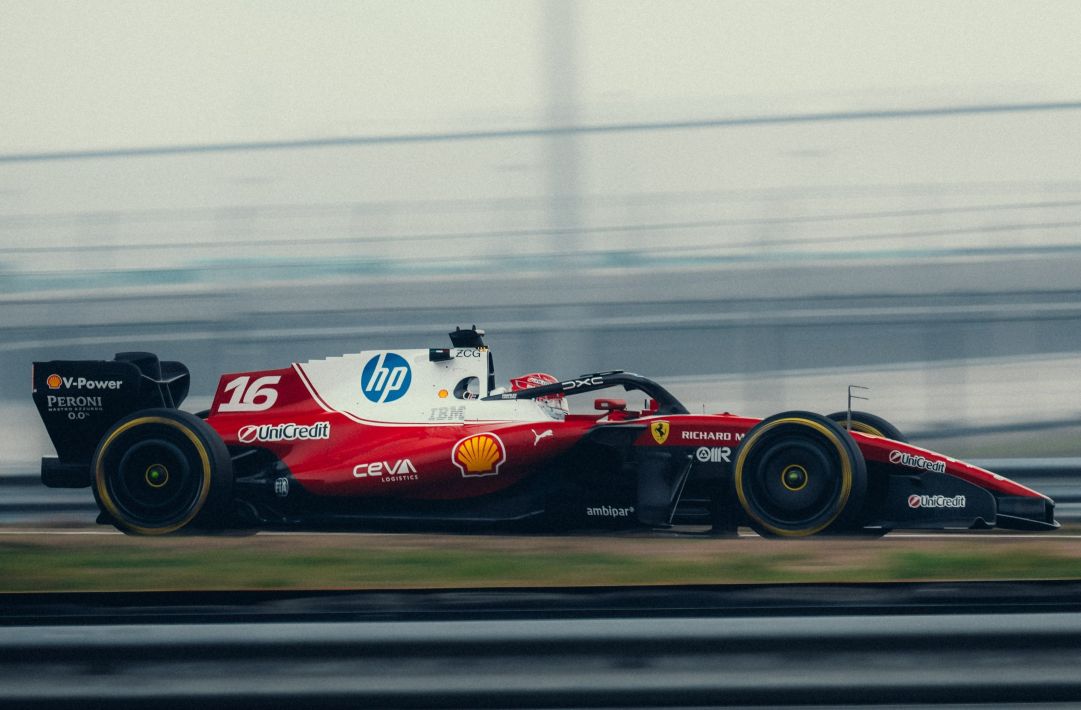
Ferrari challenge to get closer to Mercedes in 2026
The Italian team shows constant progress in the first races, but still needs to resolve issues related to power delivery in high-speed sections. Leclerc and his teammate focus their efforts on setups that maximize the use of the hybrid system. Atualizações planned for the next stages aim to reduce the gap observed against the German team.
Kimi Antonelli continues to impress with an accelerated adaptation to the Mercedes car. The Italian’s performance reinforces the silver team’s strength in the new regulations. Outras teams observe the development of leaders to calibrate their own technical evolution strategies throughout the year.
Fórmula 1 continues to monitor the impact of the rules on different circuits. Circuitos with long straights further highlighting the current energy limitations, while closed tracks favor the new agile behavior of the cars. The balance between these factors defines the direction of the next updates in the paddock.
Security aspects prioritized after initial incidents
The greater proximity between cars during disputes requires extra attention to braking and acceleration zones. Diferenças of speed generated by electrical management demands quick responses from pilots. Equipes reinforce communication protocols to anticipate variations in vehicle behavior.
The technical regulations include reinforcements in the impact structures to compensate for the new racing dynamics. Pilotos report the need for adjustments in the way of driving in low-grip curves. Esses elements contribute to the ongoing debate about the full package introduced in 2026.
The season continues with a focus on the clues that will come in the coming weeks. Equipes prepare specific updates to optimize the use of electrical energy without sacrificing maximum speed. The technical challenge remains open to all construction companies involved in the championship.