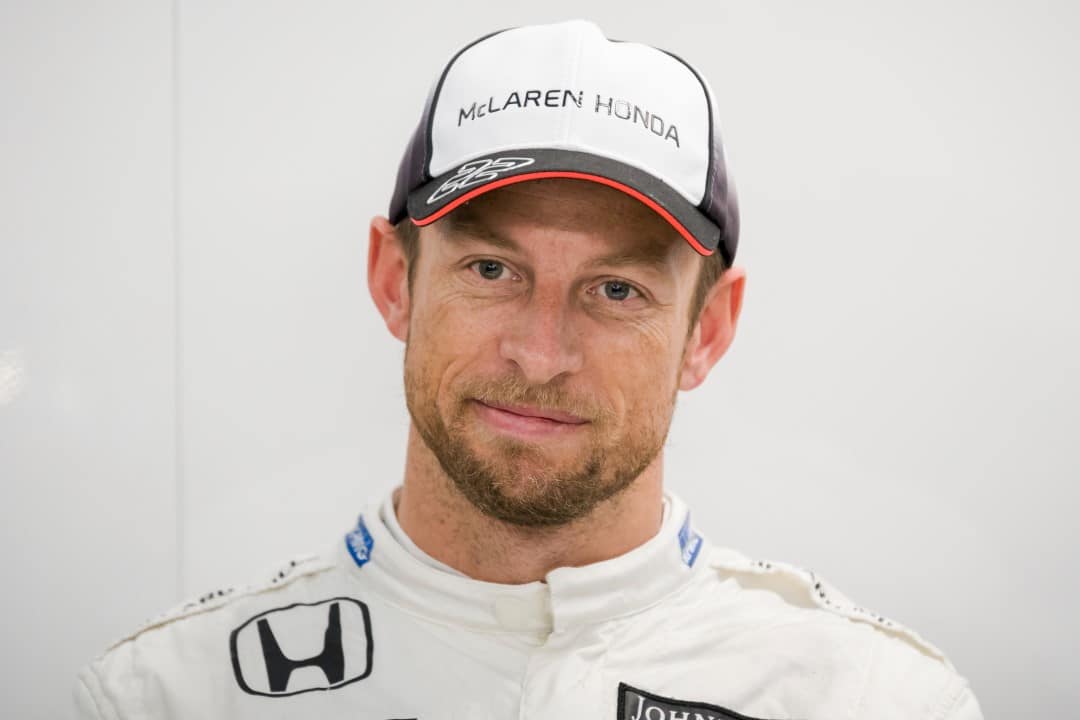
Jenson Button commented on the below-expected performance of Red Bull at the start of the 2026 Fórmula 1 season. The 2009 world champion stated that the team needs to build a faster car to fight for the front positions again. The Brit assessed that the new engine developed in partnership with Ford shows potential, but the overall package still has clear limitations.
The situation became clear after the China GP, where drivers Max Verstappen and Isack Hadjar faced significant difficulties. The team finished behind competitors such as Haas and Alpine at various points over the weekend. Problemas of reliability and balance compromised the results, even with the positive attention received in the pre-season by the power unit.
- The Red Bull-Ford engine demonstrated competitiveness in specific sections.
- The chassis and aerodynamic package generated the most concern among observers.
- Season-long updates should be prioritized to address deficiencies.
Performance analysis in the GP of China
Red Bull accumulated few points in the first stages of the season. On circuit Xangai, the car exhibited limitations in high and low speed curves, with excessive tire wear and traction problems. Verstappen had to abandon the race due to a failure related to the cooling system, while Hadjar completed the race in a modest position.
These results reinforced the perception that the team is still looking for the best setup for the new technical regulations introduced in 2026. The teams face the challenge of adapting the vehicles to engines with greater emphasis on the electrical part and sustainable fuel. Button highlighted that the initial period serves to better understand these changes.
The former pilot noted that the engine itself does not represent the main obstacle. Segundo he, the power unit presents competitive performance compared to rivals, but the car as a whole needs rapid evolution. Essa distinction between engine and chassis guides the team’s next actions at Milton Keynes.
Technical challenges faced by the team
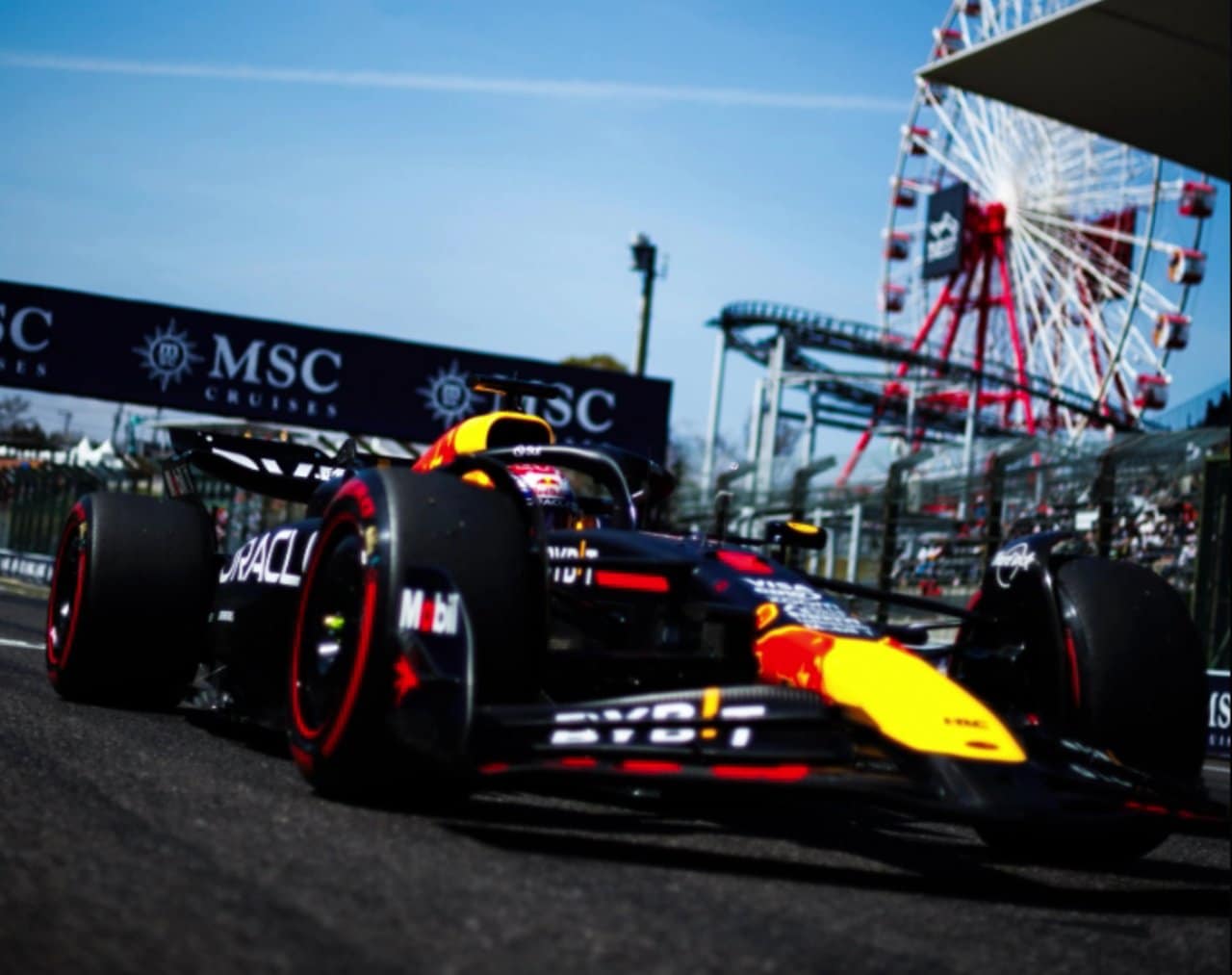
Red Bull admitted significant limitations to the overall package after the event in China. The team recorded just 12 points in the first two doubleheader rounds, with reports of persistent understeer and rapid tire degradation. Engineers work to identify the mechanical causes that affect balance in different types of curves.
Despite the setbacks, the partnership with Ford allowed the debut of its own engine with promising characteristics. The component delivers adequate power on straights and acceleration sections, but the package suffers from aerodynamic and suspension inefficiencies. The expectation is that updates will arrive gradually to improve drivability.
Button reinforced that all teams are still processing the new regulations. Ele mentioned that intensive development should bring improvements throughout the year, with more frequent evolution packs than in previous seasons. Red Bull plans to use the break between races to speed up work in the simulator and wind tunnel.
Perspectives for the next steps
The team focuses its efforts on maximizing the potential of the current package while preparing modifications. Drivers reported that each lap required constant adjustments to compensate for the car’s unpredictable behavior. Hadjar and Verstappen highlighted the need for greater consistency in real race conditions.
The focus remains on in-depth understanding of available resources. Engenheiros seek solutions that better integrate the engine with the chassis, reducing stress on the tires and improving energy efficiency. Essa integrated approach could allow Red Bull to make up ground on varied circuits.
Button praised the team’s commitment to developing its own technology. Ele indicated that the potential exists, but execution requires precise refinements in the mechanical design. The 2026 season still offers several opportunities to react with the introduction of scheduled updates.
Reviews about the engine and car assembly
The Briton clearly separated the qualities of the power unit from the limitations of the vehicle. Ele noted that the Red Bull-Ford’s engine competes at a similar or higher level in some respects, but the chassis doesn’t keep pace. Essa Assessment directs efforts to specific areas of development.
The team accumulates telemetry data to prioritize interventions. Problemas Weight and mass distribution also come into technical analysis. The aim is to achieve greater stability in different track conditions and temperatures.
Expected evolution throughout the season
Red Bull plans to introduce several updates to correct the identified deficiencies. The longer interval between some steps allows for intensive work in the factory. Engenheiros and technicians seek solutions that balance performance, reliability and efficiency under new regulations.
The team maintains confidence in its ability to react. Button recalled that the start of the season serves as a collective learning experience for all teams involved in the 2026 engine project. The gradual adaptation should bring visible progress in the next races.
Initial team reactions to challenges
Drivers and engineers at Red Bull described the car as demanding to drive. Eles worked on setup adjustments during the Chinese weekend, but faced structural limitations. Information gathering continues to guide future development.
The team evaluates relative performance in different sessions. Comparações with sister team Racing Bulls help isolate chassis-related variables. Essa Internal data exchange accelerates the improvement process.
Focus on continuous development
Red Bull invests resources to refine the RB22. Especialistas Technicians analyze race data and simulations to propose effective modifications. The objective is to align the car’s behavior with the demands of the new power units.
Button concluded that the main solution is to increase the vehicle’s overall speed. Ele encouraged the team to focus efforts in this direction while exploring the potential of the Ford engine. Progress depends on the harmonious integration between all components.