

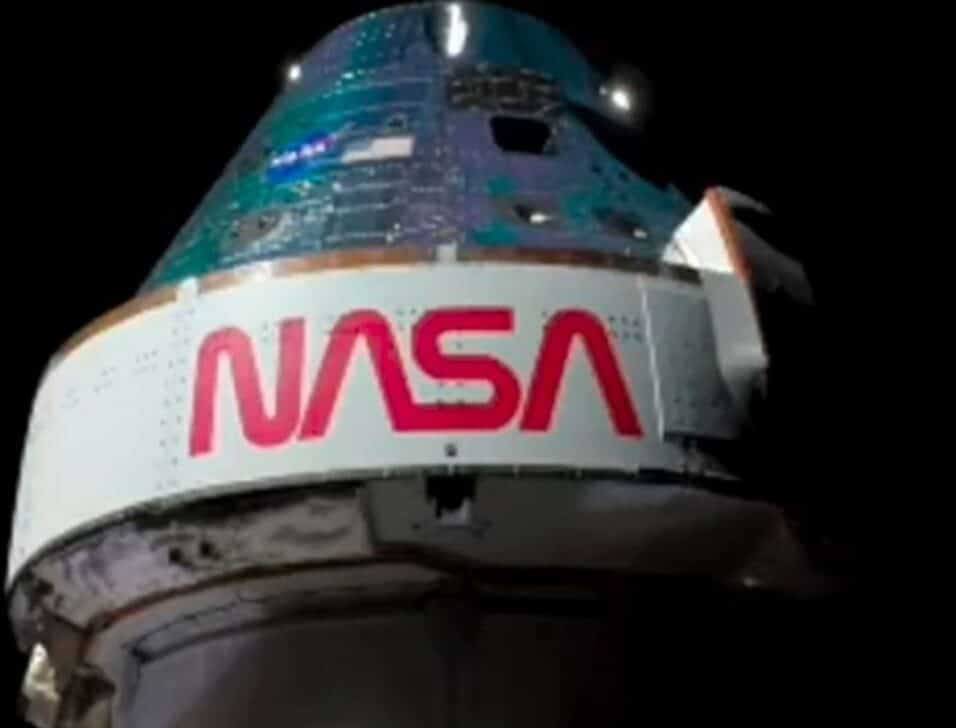
Mission Artemis II took organ chips containing bone marrow cells derived from the astronauts themselves into deep space. Esses devices the size of a USB stick function as biological avatars that simulate tissue responses to the spatial environment. The crew consisting of Reid Wiseman, Victor Glover, Christina Koch and Jeremy Hansen directly participated in preparing the chips before launch on April 1, 2026.
The chips travel inside the Orion spacecraft in controlled containers that maintain the right conditions for living cells. The research focuses primarily on the impacts of cosmic radiation and microgravity on human tissue during the flight around Lua. Cientistas monitor immunological and cellular changes that occur outside the protection of Van Allen’s belts.
- The chips were grown from biological samples provided individually by the four crew members
- Each device contains bone marrow mother and progenitor cells combined with supporting cells
- The experiment allows us to compare the behavior of cells in space with identical sets kept in Terra
Innovative technology simulates individual responses to space
Devices known as organ chips reproduce the structures and functions of human tissues on a microfluidic scale. Na Artemis II, they focus on bone marrow tissue because this organ regulates the production of blood cells and the immune response. The personalized approach with astronaut cells makes it possible to assess individual variations in susceptibility to space stressors.
NASA researchers highlight that the AVATAR experiment represents the first time that organ chips have traveled to deep space. Data collected after mission return will help identify when and where specific cellular changes occur. Essa information complements the biological samples collected directly from the astronauts during and after the approximately ten-day flight.
The chips return to Terra along with the crew for detailed analysis that includes single-cell RNA sequencing. Cientistas compare the results with ground-based control sets to isolate the unique effects of radiation and weightlessness. The technology has already demonstrated usefulness in previous studies at Estação Espacial Internacional, but Artemis II exposes the chips to more extreme conditions.
Mission Artemis II advances understanding of human health beyond low orbit
The crew of Artemis II performed the program’s first manned flight beyond Earth orbit since the Apollo era. data provided by biological devices.
The focus on bone marrow tissue responds to concerns about immune suppression and reactivation of latent viruses seen in previous space missions. Especialistas also monitor other factors of the space environment such as isolation, distance from Terra and confined conditions inside the capsule. The results will contribute to the development of more accurate medical protocols for extended stays at Lua or when traveling at Marte.
NASA integrates this experiment into the suite of standard spaceflight health measurements collected since 2018. Amostras of astronauts’ blood, saliva, and urine provide additional context for interpreting the changes recorded on the chips. Combining in vivo and in vitro data strengthens the scientific basis for future human explorations.
Chip development involves collaboration between agencies and institutions
Each chip was manufactured with cells obtained from astronauts Reid Wiseman, Victor Glover, Christina Koch and Jeremy Hansen. Técnicas cultivation allowed the creation of functional tissues that mimic real bone marrow in microfluidic channels. Empresas specialized companies such as Space Tango developed containment hardware that maintains adequate temperature, humidity and nutrition during flight.
The director of NASA’s Divisão of Ciências Biológicas and Físicas emphasizes the potential for medical personalization based on these studies. The chips can reveal individual differences in radiation resistance, allowing adjustments to medical kits for each astronaut. Essa capability represents significant advancement for long duration missions where access to ground care is limited.
After returning from the mission, laboratory analyzes will detail genetic and functional changes in cells exposed to space. Researchers plan to sequence thousands of genes per cell to map specific responses. Initial results should be released in the coming months as data processing progresses.
Benefits of research extend to terrestrial applications
Organ chip technology already demonstrates potential in drug testing and disease studies in Terra. Na Artemis II, exposure to deep space tests the limits of this platform in extreme radiation conditions. The knowledge gained can accelerate the development of therapies against the effects of radiation in conventional medical treatments such as chemotherapy.
Scientists also explore connections between space stressors and aging or chronic inflammation processes observed in terrestrial populations. The AVATAR experiment contributes to a broader understanding of how the human body responds to hostile environments. Esses Advances support both preparedness for space exploration and improvements in general public health.
Mission Artemis II concludes its main phase with the return of the crew and scientific experiments. Human cell chips represent an innovative tool that expands research possibilities without directly exposing astronauts to additional risks. Continuing studies with these devices should guide the planning of the next stages of the Artemis program.
Mission parameters and integration with other experiments
The spacecraft Orion kept the chips in controlled conditions throughout the entire route, which included passing through the hidden side of Lua. Sensores on the spacecraft recorded radiation levels and sent alerts in the event of intense solar activity. The environmental data collected helps contextualize the responses observed in the chips’ cellular tissues.
The crew provided additional biological samples throughout the flight for direct comparison with the chips’ behavior. Essa Integrated approach strengthens the scientific validity of the results obtained. Especialistas also evaluate the readaptation of astronauts to Earth’s gravity after landing on Oceano Pacífico.
The AVATAR experiment aligns with broader goals of preparing humans to live and work in space for extended periods. The combination of custom chips with real-time monitoring offers unprecedented insight into the exact moment physiological changes begin. Esses elements contribute to more effective preventive strategies in future missions.