
Motorola Edge 60 Neo and POCO X7 Pro compete in the cell phone market with batteries of up to 6,000 mAh

The mid-range mobile device segment is constantly receiving new options aimed at consumers who demand high performance without the cost of a high-end device. Duas Asian manufacturers have intensified competition in this sector with recent launches that promise to balance advanced technical specifications and competitive prices on electronic retail shelves.
Choosing a new smartphone requires careful analysis of internal components, finishing materials and software support offered by brands. Aparelhos in this category tend to have features that were previously exclusive to premium models, such as high image refresh rates and high-resolution photographic sensors.
Consumers need to evaluate their usage routines to determine which set of hardware best meets daily demands, whether for consuming media, running heavy games or capturing images. Direct comparison between available models makes it easier to identify the ideal device for each user profile.
Visual architecture and manufacturing materials
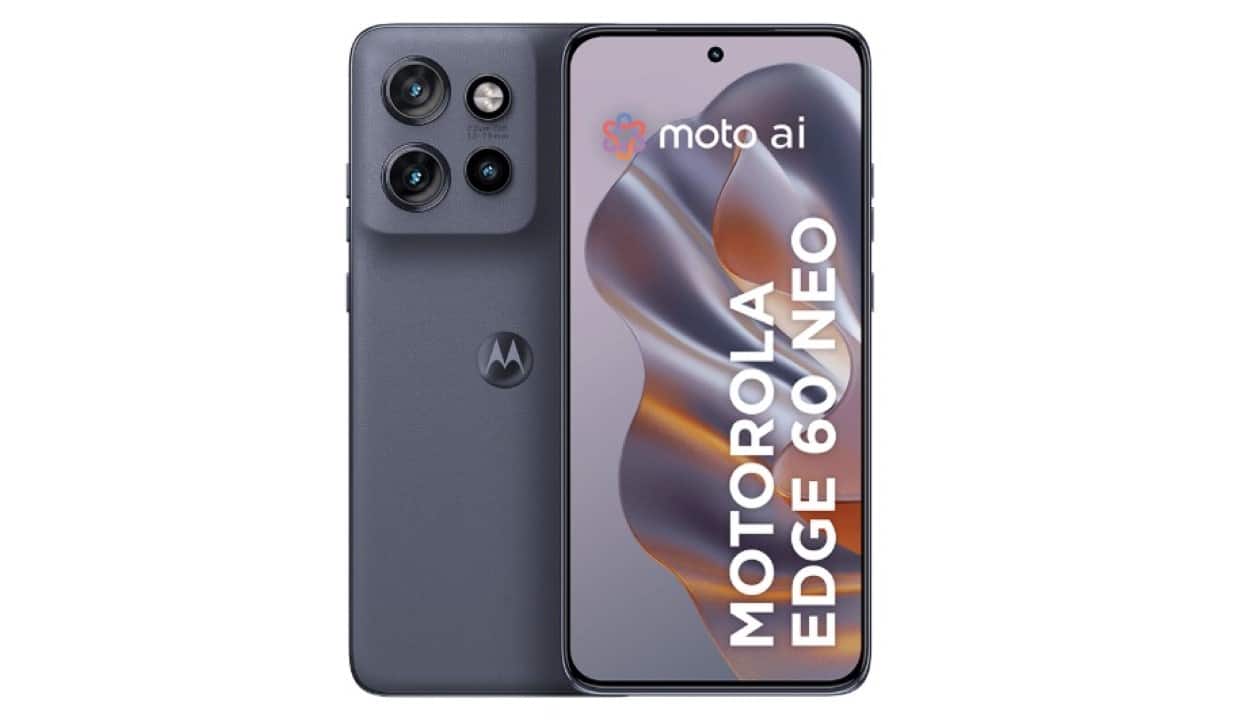
The North American manufacturer opted for a refined finish on its device, using vegan leather on the back to provide a firmer grip and a sophisticated visual aspect. The side edges are made of rigid plastic, but the device makes up for this choice with IP68 and IP69 certifications, in addition to the MIL-STD-810H military seal, guaranteeing high resistance against water, dust and accidental impacts. The model has dimensions of 154.1 x 71.2 x 8.1 millimeters and weighs 174 grams.
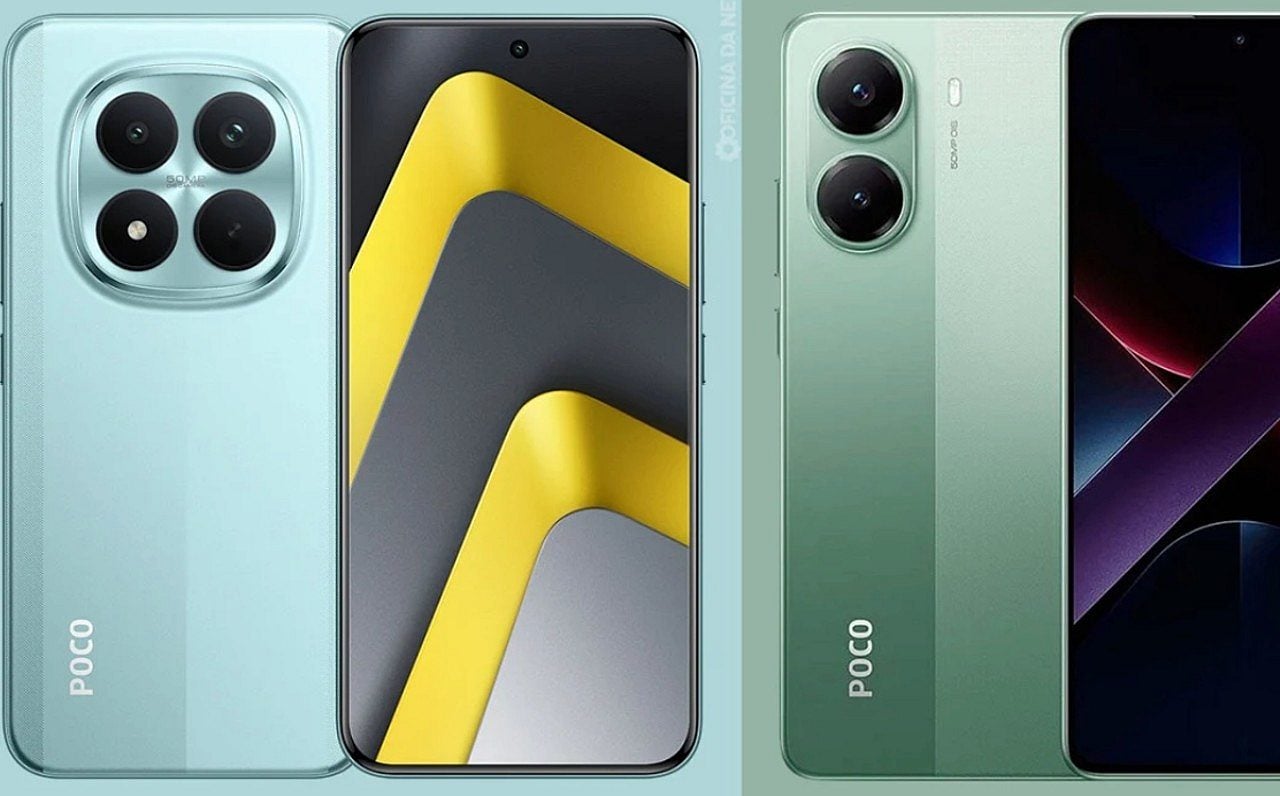
The Chinese competitor takes a different approach, prioritizing a mostly plastic structure on both the back cover and sides, with a specific variant offering a vegan leather finish. The device is also IP68 certified for protection against submersion in fresh water. Suas measures 160.8 x 75.2 x 8.3 millimeters, with a weight of 195 grams, resulting in a slightly more robust and heavier body in the user’s hands.
Visual quality and panel technology
The front panel of the Motorola model uses 6.36-inch LTPO P-OLED technology, delivering a sharp resolution of 1200 x 2670 pixels. The presence of LTPO technology is an important technical differentiator, as it allows the refresh rate to vary dynamically up to 120 Hz, adjusting to the displayed content to save battery power when reading static texts.
Color fidelity and contrast are improved by support for the HDR10+ standard, ideal for playing films and series on compatible streaming platforms. The display reaches a peak brightness of 3,000 nits, ensuring that the information on the screen remains perfectly readable even under direct sunlight in outdoor environments.
The POCO smartphone responds with a slightly larger AMOLED screen, measuring 6.67 inches and offering a resolution of 1220 x 2712 pixels. The panel maintains the 120 Hz refresh rate and HDR10+ support, but adds the Dolby Vision certification for superior tone mapping. Maximum brightness reaches 3,200 nits, slightly surpassing its rival in extremely bright scenarios.
Internal processing and memory capacity
The processing engine of the Edge 60 Neo is the Dimensity 7400 chipset, developed by MediaTek, which operates at a maximum frequency of 2.6 GHz. Este component was designed to offer fluid navigation in the system interface and ensure quick opening of everyday applications, social networks and productivity tools.
The hardware works together with 12 GB of RAM, a generous amount that allows you to keep multiple applications open in the background without the need for constant reloading. Para storage of files, photos and videos, the manufacturer offers versions with 256 GB or 512 GB of internal space.
The POCO
The Chinese model’s memory configuration options include variants with 8 GB or 12 GB of RAM, accompanied by 256 GB or 512 GB of internal storage. The focus of this set of hardware is to serve the gaming public, ensuring stable frame rates and minimizing stuttering during prolonged competitive gaming sessions.
Photographic setup and video recording
The Motorola Edge 60 Neo’s image capture system consists of a triple module on the rear, led by a 50-megapixel main sensor that records photographs with a high level of detail and good light input. The set is complemented by a 10 megapixel telephoto lens, capable of three times optical zoom without loss of quality, and a 13 megapixel ultrawide camera, designed to capture wide landscapes and large groups of people. On the front, the 32 megapixel sensor is responsible for selfies and video calls, while video recording reaches 4K resolution at 30 frames per second.
The POCO The secondary camera is an 8-megapixel ultrawide lens, offering an expanded field of view, although with a lower resolution than the competitor. The front sensor has 20 megapixels for self-portraits. The highlight of this model in terms of audiovisual is the ability to record videos in 4K resolution at a rate of 60 frames per second, resulting in notably more fluid and professional footage.
Energy autonomy and recharge speed
Energy management reveals clear differences in the strategies adopted by the two manufacturers to keep devices away from sockets. The Motorola Edge 60 Neo houses a power cell with a capacity of 5,000 mAh, an established industry standard that guarantees a full day of moderate use. The device supports 68W fast wired charging technology, allowing quick battery replacement in times of urgency. An important differentiator of this model is the inclusion of support for 15W wireless charging, a feature generally restricted to premium category smartphones that adds convenience to everyday life. In contrast, the POCO X7 Pro focuses on brute force by integrating a massive 6,000 mAh battery, designed to support long hours of uninterrupted media consumption and gaming. The recharging speed is also higher, reaching the 90W mark via cable, which drastically reduces the waiting time connected to the socket. Testes autonomy tests indicate that the Xiaomi model is able to retain a higher percentage of charge after intense cycles of use, completing standardized evaluations with 31% energy remaining, compared to 16% for the rival.
Operating system and software longevity
The user interface and update policy are determining factors for the useful life of the equipment. The Edge 60 Neo leaves the factory running the Hello UI based on the Android 15, with the official guarantee of receiving four major operating system updates over the years. The POCO
Connectivity and extra features
The Motorola device’s connectivity package includes full support for 5G networks, an accurate GPS navigation system and NFC technology for making contactless payments at compatible terminals. The device advances by offering the Wi-Fi 6E and Bluetooth 5.4 standard, ensuring more stable and faster wireless connections. Biometric security is provided by a fingerprint reader positioned under the screen, and audio is played through stereo speakers.
The POCO model offers similar specifications, with access to 5G networks, GPS, NFC for financial transactions, a biometric reader integrated into the display and a sound system with dual speakers. The technical difference lies in the wireless network, as the device uses the Wi-Fi 6 standard, a generation prior to that of the competitor. It is important to note that neither smartphone has the P2 analog input for traditional headphones.
Value positioning in retail stores
The financial aspect often defines the final purchasing decision in the intermediary segment. The Motorola Edge 60 Neo was introduced on the national market with a suggested price of R$3,499. Contudo, the dynamics of electronic retail now allow the device to be found in promotional offers for values close to R$2,200, significantly increasing its commercial appeal.
The POCO X7 Pro was launched with an official price set at R$5,199, a value that put it at an initial disadvantage. Atualmente, the natural devaluation of the market and direct imports adjusted the price of the device to the R$1,900 range on several e-commerce platforms, transforming it into an aggressive option for those looking for strong specifications with less financial outlay.




