
NASA performs critical reentry of Artemis II Orion capsule into Earth’s atmosphere

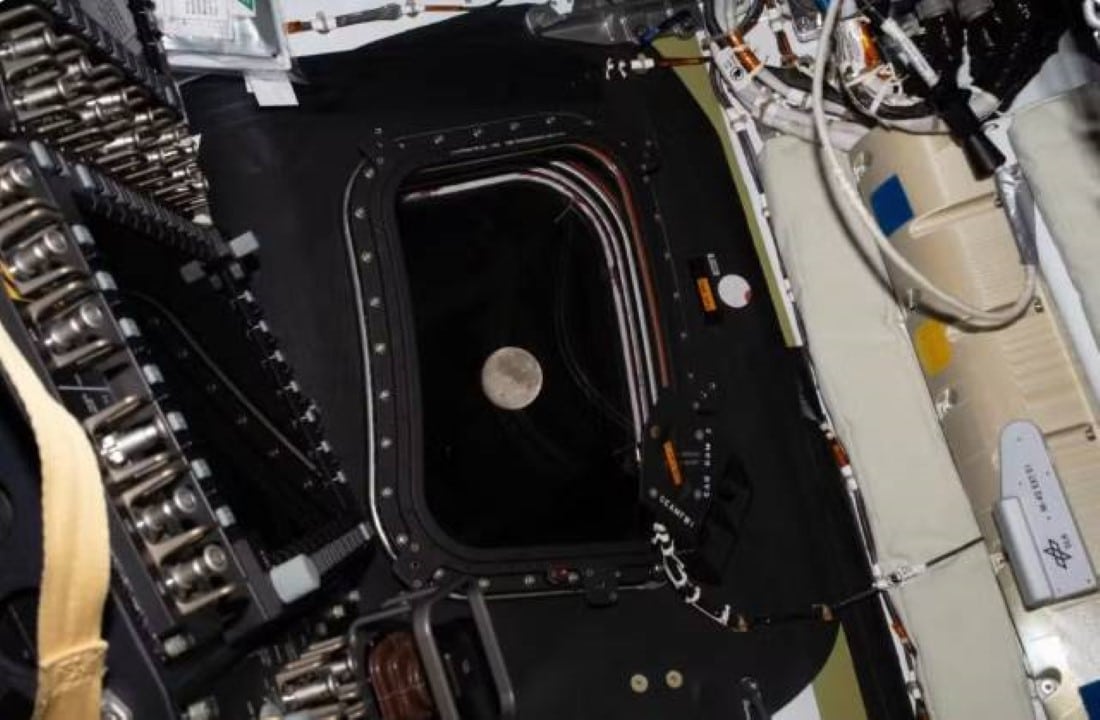
Capsule Orion of mission Artemis II of Nasa carries out this Friday the most critical phase of the return to Terra. The spacecraft slows down from more than 38 thousand km/h to around 32 km/h in a few minutes as it passes through the Earth’s atmosphere. The process involves discarding the service module, exposing the heat shield and using the atmosphere as the main brake. The crew, made up of four astronauts, remains prepared for the extreme conditions of reentry.
- Separation of the service module occurs approximately 20 minutes before contact with the atmosphere.
- Trajectory adjustments ensure the correct angle of entry to prevent ricochet or excessive flaring.
- The communications blackout lasts approximately six minutes due to plasma formation.

Extreme deceleration by the atmosphere
Orion enters the atmosphere at an altitude of approximately 122 kilometers. The capsule does not have an aerodynamic shape and works like a flying brick that relies on atmospheric drag to drastically reduce speed. Friction generates temperatures exceeding 2,760 degrees Celsius on the surface of the heat shield. Esse Ablative material erodes in a controlled manner to protect the internal structure and astronauts.
Astronauts experience forces up to 3.9 times gravity during peak deceleration. The sequence includes rolling maneuvers to move the debris capsule away from the discarded service module. Após the blackout period, communication with mission control is reestablished and the speed has already dropped to hundreds of km/h. The accuracy of the entry angle determines the success of the operation and the exact splashdown point on the Oceano Pacífico.
Heat shield and plasma protection
The Orion’s heat shield represents the main safety element during reentry. Ele is designed to withstand the intense heat generated by compressing the air in front of the capsule. Durante The initial entry phase forms a layer of plasma that blocks radio signals for several minutes. Nasa engineers monitor real-time data to confirm material performance.
The capsule follows a slightly lofted trajectory that helps manage heating and G-forces. Esse profile allows the Orion to lose speed gradually before descending deeper into the atmosphere. The compression suits worn by astronauts help with tolerance to high accelerations. Toda The reentry phase, from first contact to landing, lasts just over ten minutes.
Parachute sequence in the final descent
The capsule activates the braking parachutes at an altitude of approximately 6.7 km. Dois stabilization parachutes reduce the speed to approximately 322 km/h and stabilize the Orion orientation. Three main parachutes then open at 1.8 km altitude and further slow the descent to a safe value. Essa sequence ensures that the capsule reaches the ocean with a controlled speed of around 32 km/h.
Splashdown is expected at Oceano Pacífico, near the coast of San Diego US local time. Equipes of Estados Unidos, with the ship USS John P. Murtha, are preparing for the rapid recovery of the crew. Astronauts must be removed within two hours of landing for immediate medical evaluation. The capsule will later be transported to Centro Espacial Johnson, Texas.
Final crew preparations before re-entry
The four astronauts reviewed reentry procedures and donned compression suits in the hours leading up to the event. Nasa carried out visual inspections on Orion using external cameras to confirm the absence of damage that could compromise the final phase. Mission Artemis II fulfilled the objective of a manned flight around Lua and now focuses its efforts on the safe return.
Trajectory corrections were performed to perfectly align the capsule with the reentry corridor. The service module performs a separate destructive reentry while Orion proceeds with the heat shield exposed. Toda Operation depends on precise schedules coordinated between the crew and teams on the ground. The success of this step validates essential technologies for future manned lunar missions.
Technical details of the blackout phase and G forces
During the blackout of approximately six minutes, Orion operates autonomously without contact with the control center. The plasma generated by the extreme heat interferes with communication systems, but does not affect internal guidance systems. The capsule maintains the correct angle through small thruster adjustments when necessary. The astronauts remain monitored by sensors that record G forces and internal conditions.
After emerging from the plasma, the speed is already significantly reduced. The capsule ejects the front cover and begins the parachute sequence as planned. The reentry profile was adjusted based on data from previous missions to optimize thermal protection and crew comfort. Essa approach balances extreme heating with the need for precision at the Pacífico landing site.
Capsule and crew recovery after splashdown
Specialized teams positioned in the splashdown area carry out the rescue as soon as the Orion touches the water. Helicópteros and support boats transfer the astronauts to the recovery ship. Exames Initial doctors evaluate the effects of prolonged microgravity and reentry forces. The capsule is stabilized and prepared for land transport.
Mission Artemis II represents an important step in the program that aims to return humans to the lunar surface in future missions. The successful re-entry confirms Orion’s performance under real deep space return conditions. Dados collected during this phase fuel improvements for future manned journeys. The focus remains on the precise execution of each step of the procedure.





