New York Federal Court Hears Suit Against Trump’s 10% Global Tariffs
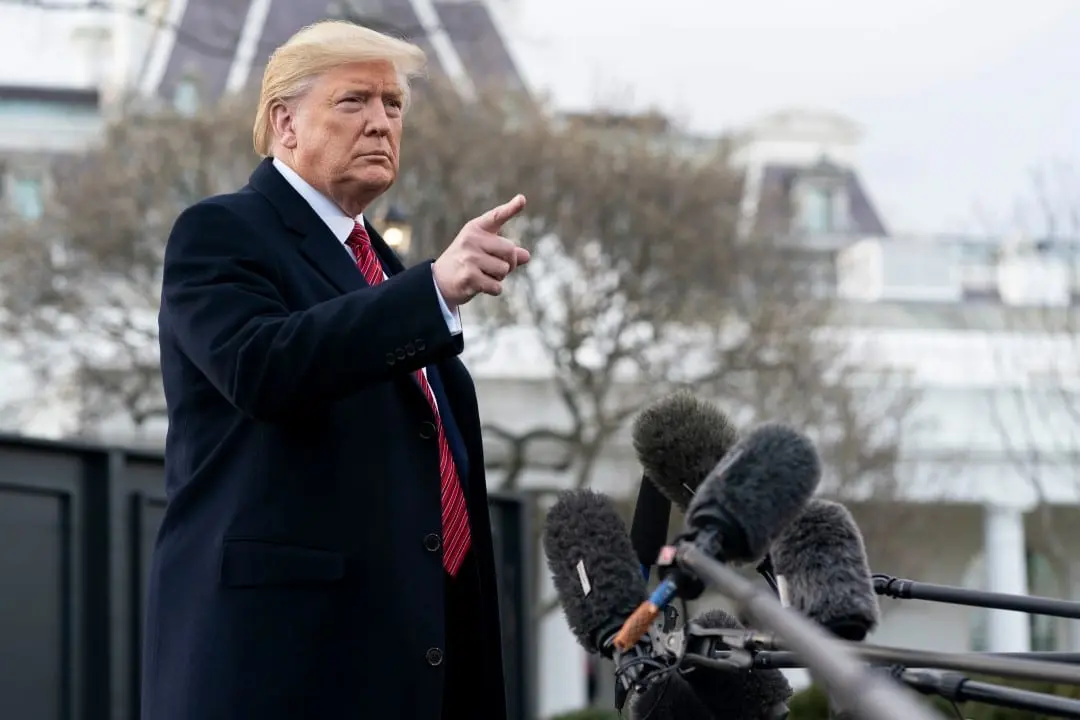
Tribunal of Comércio Internacional of Estados Unidos held an oral hearing this Friday on Nova York to consider a lawsuit challenging the 10% global tariffs on imports imposed by President Donald Trump’s administration. A group of 24 states, mostly led by Democrats, and two small businesses presented the legal demand against temporary measures. The authors argue that the tariffs represent a way to get around the February Suprema Corte ruling that invalidated previous tariffs based on the Emergency Economic Powers Act.
The hearing took place before a panel of three judges and focused on the application of the Seção 122 of Lei of 1974. Essa provision allows fees of up to 15% for up to 150 days to resolve fundamental international payments issues. The challengers maintain that trade deficits do not constitute this type of problem, especially because the law was created at a time when the dollar was pegged to gold, a context that no longer exists in the current economy.
The tariffs came into effect on February 24, hours after Suprema Corte rejected, by 6 to 3, the use of the emergency powers law to impose taxes on imports from several countries. The Trump administration then appealed to Seção 122 to implement the 10% rate, expected to increase to 15%, although this increase has not yet occurred. The measures expire on July 24, unless Congresso approves an extension.
Central arguments in the legal dispute
Lawyers for the states and companies argued that the court should immediately block the tariffs rather than allowing them to expire within the normal 150 days. Eles state that this measure would prevent the administration from invoking different laws to maintain rates indefinitely and causing irreparable damage to importers and state economies.
Departamento of Justiça defended the legality of the tariffs during the debates. The Administration maintains that Seção 122 provides a sufficient basis for temporary actions designed to balance international trade. However, the government’s own previous records indicated that trade deficits do not directly fit into the problems of international payments provided for in the law.
On the same topic: US federal court rules lawsuit against 10% global tariff imposed by Trump
The court had already considered in previous decisions that Seção 122 could serve as a viable alternative in certain commercial scenarios. The challengers contest this interpretation and ask the judges to declare the tariffs invalid because they go beyond the original scope of the legislation.
Details about the parties involved and recent history
Twenty-four states participate in the action as main plaintiffs, including Califórnia, Nova York and Oregon. Duas small companies, a spice importer and a toy manufacturer, are also part of the lawsuit. The plaintiffs represent the interests of state governments and businesses affected by rising import costs.
Learn more: Companies prepare for the impact of Trump tariffs with economic intelligence
Suprema Corte ruled on February 20 that the emergency economic powers law does not authorize the president to impose tariffs broadly. Essa ruling invalidated previous tariffs that affected hundreds of billions of dollars in imports and generated refund requests from more than 300,000 importers.
After the defeat of Suprema Corte, the administration quickly announced new global tariffs based on Seção 122. States and companies responded with lawsuits that question the validity of this legal alternative.
Hearing developments and next steps
During the session, the lawyer from Oregon, Brian Marshall, emphasized the need for a quick decision to protect the economic interests involved. The justices heard arguments from both sides about the historical interpretation of the law and its applicability to modern trade deficits.
The administration maintains that the temporary tariffs are intended to correct imbalances in foreign trade without relying on emergency declarations. The challengers, in turn, highlight that the 1974 law was not designed for routine use in current trade policies.
The panel of judges must review the summary judgment requests filed by plaintiffs. A decision on immediate blocking or maintenance of tariffs until expiration may occur in the coming weeks.
See Also

Gamer Week: Vivo and Supercell offer free rare item for Clash Royale players

Cristiano Ronaldo reaches 977 goals for Al-Nassr and aims for the thousandth goal in his career

Newborn dies after being injured by a scalpel during a cesarean section in the interior of São Paulo, says family
More on this story: Trump’s tariffs on Brazil reveal the limits of protectionism and will have a limited impact, says analyst
Context of commercial law used
The Seção 122 of Lei of Comércio of 1974 emerged in response to financial crises of the 1960s and 1970s, when balance of payments problems threatened monetary stability. The rule allows presidential action limited in time to avoid serious imbalances.
Critics note that the end of the gold standard completely altered the economic environment, making the framing of trade deficits as international payments problems questionable. The Trump administration maintains that the tool remains valid for responding to global commercial pressures.
The states argue that the section’s use of broad tariffs on imports from virtually all countries goes beyond the original purpose of the legislation.
Full coverage: Latest News (EN)
Impact on imports and companies
The 10% tariffs apply to most goods imported into Estados Unidos. Empresas countries that rely on foreign supplies have reported increased operating costs since implementing the measures in February.
Small businesses involved in the process claim to suffer direct losses that affect their competitiveness in the domestic market. State governments highlight negative effects on supply chains and consumer prices in their territories.
The hearing represented another chapter in the series of legal disputes over the scope of presidential powers in matters of international trade.
Learn more: Trump administration proposes tariffs of up to 12.5% on goods from 60 countries and regions
Ongoing legal proceedings
Tribunal of Comércio Internacional of Nova York, located in the south of Manhattan, conducts the case at an accelerated pace at the request of the plaintiffs. The judges considered arguments about the literal interpretation of Seção 122 and its compatibility with previous Suprema Corte decisions.
A possible decision in favor of the challengers could lead to the suspension of tariffs and open the way for requests for refunds of amounts already paid. The administration indicated that it will appeal if the court adopts a position contrary to the tariffs.
The process continues to be monitored by lawyers on both sides, with the expectation of developments in higher courts if there are appeals.
- The 24 states seek to declare the 10% global tariffs illegal.
- Two small companies are part of the action as co-authors.
- The hearing took place on April 10 on Tribunal of Comércio Internacional.
- The tariffs expire July 24 without congressional approval.
- The opponents ask for immediate blocking to avoid an indefinite extension.
The judicial debate reflects persistent tensions between the Executivo and other powers over control of trade policies. Judges must balance historical legal text with contemporary economic realities.