
Toyota launches new generation of RAV4 with 226 horsepower hybrid engine and unprecedented front design


The Japanese automaker has officially launched the sixth generation of its best-selling sports utility vehicle in the world. The vehicle undergoes a complete redesign of its structure, definitively abandoning the exclusively combustion-powered options to adopt an electrified system in all its factory configurations.
The model brings significant updates to the exterior, in line with the brand’s new visual identity, in addition to incorporating updated technological packages for entertainment and occupant protection. The manufacturer’s global strategy aims to maintain leadership in the compact SUV segment, offering greater efficiency in fuel consumption and lower emissions of polluting gases.
The first units begin to be distributed in the Asian market, with expansion scheduled for América and other continents in subsequent months. Test Veículos are already circulating camouflaged on South American highways, indicating the engineering calibration process for local road and climatic conditions before the official debut in the region.
Visual changes and new aesthetic identity
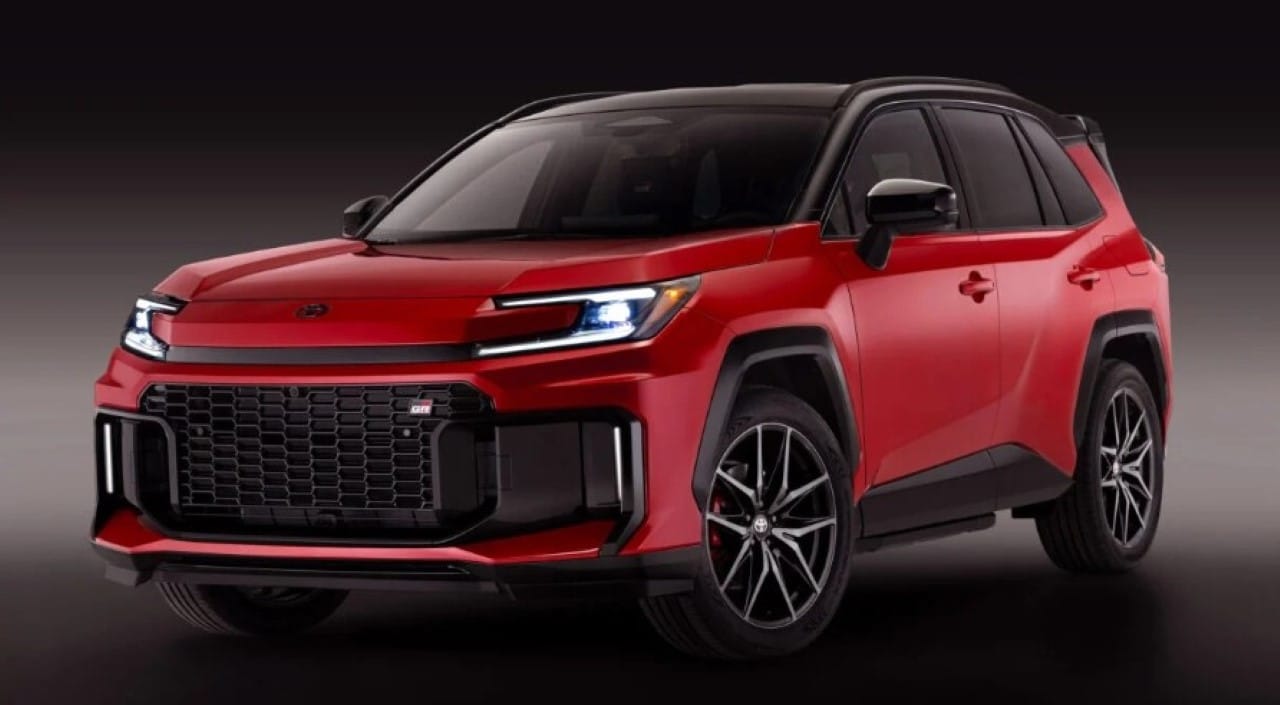
The exterior design of the utility vehicle adopts the stylistic language known as the hammer shape, which stands out for more aggressive and aerodynamic front lines. The tapered LED headlights integrate perfectly with the radiator grille, which is now embedded directly into the front bumper, giving the car a more imposing stance.
This new configuration replaces the predominantly angular and rustic appearance of the previous generation with more fluid and modern contours. The automaker chose to soften the sides of the vehicle, creating less marked creases on the doors, but maintaining robust fenders that house larger diameter alloy wheels, reinforcing the car’s presence on the streets.
At the rear, the optical assembly receives a continuous horizontal light signature, connecting the headlights from end to end. Esse aesthetic feature has become a standard in the manufacturer’s recent launches and contributes to the perception of the car’s greater width, in addition to improving nighttime visibility for drivers following behind.
In addition to the visual appeal, the changes to the bodywork were extensively designed in the wind tunnel to optimize the aerodynamic coefficient. The practical result of this engineering is the reduction of drag at high speeds, which has a direct impact on reducing fuel consumption on the road and mitigating wind noise invading the cabin.
Hybrid engine performance and traction
The standardized mechanical set for all versions combines a 2.5-liter combustion engine with high-efficiency electric motors, forming an advanced sequential parallel system. In the entry-level configuration, this architecture delivers a combined power of 226 horsepower, providing half a second faster acceleration from zero to one hundred kilometers per hour compared to the predecessor model. The continuously variable transmission acts to intelligently manage this force, while the all-wheel drive system distributes torque to the rear axle through an independent electric motor, ensuring maximum grip on low-friction surfaces, such as wet asphalt or dirt roads.
For selected markets, the manufacturer offers a plug-in variant equipped with a lithium-ion battery with greater storage capacity. Essa configuration allows the vehicle to travel more than 100 kilometers using only electrical energy, making it ideal for daily urban commutes without any pollutant emissions from the exhaust. Recharging can be done at conventional residential sockets or at public fast charging stations, offering total flexibility to the driver. Preliminary homologation tests indicate an improvement of up to 15% in fuel economy in urban cycles, consolidating the project’s sustainable mobility proposal without sacrificing autonomy on long journeys.
Internal technology and advanced connectivity
The cabin has been completely redesigned to accommodate a new floating multimedia center, which can reach 14 inches in top-of-the-line versions. The native operating system supports remote updates via the internet, allowing the correction of software faults and the addition of new navigation features without the need to schedule visits to the dealership network.
Integration with mobile devices occurs completely wirelessly, ensuring fast and intuitive mirroring of the main smartphone platforms on the market. The digital instrument cluster offers multiple customizable display options, focusing route data, engine power flow and driving assistance alerts directly into the driver’s field of vision.
In finishing materials, the automaker prioritized rubberized surfaces and high-quality synthetic coatings, increasing the perception of refinement on board. The interior space has been subtly expanded due to the intelligent repositioning of electrical components, benefiting the comfort of rear seat passengers and increasing the volumetric capacity of the trunk to accommodate family luggage with extreme ease.
Safety and driver assistance systems
The active and passive safety package has been updated to its latest version, incorporating long-range radar sensors and high-resolution cameras. The autonomous emergency braking system now has improved ability to detect pedestrians, cyclists and motorcyclists at intersections, even in low night light conditions or heavy rain.
Adaptive cruise control works in conjunction with the lane keeping assistant, making subtle corrections to the steering wheel to keep the vehicle perfectly centered on the road. Câmeras with 360-degree vision and state-of-the-art ultrasonic sensors facilitate maneuvering in confined spaces, while multiple airbags, including curtain and central airbags, protect all occupants in the event of a side or frontal collision.
Running tests and adaptation for the South American market
The presence of heavily camouflaged prototypes on South American highways confirms the advanced stage of tropicalization of the sports utility vehicle for the region. The local engineering team works meticulously on calibrating the suspension to deal with the uneven pavement characteristic of urban and rural roads, seeking an ideal balance between ride comfort for passengers and directional stability at high speeds. Outro The crucial point of development is the adaptation of the combustion engine to operate with the specific mix of fuels available at local gas stations, including the strong possibility of launching a flexible hybrid version capable of consuming ethanol in any proportion. Essa technology, already mastered and applied by the manufacturer in other successful models in its regional portfolio, maximizes the reduction of the carbon footprint by using fuel from a renewable source. Simultaneamente, the dealer network has already started technical preparations, the acquisition of specific tools and intensive training of after-sales teams to receive the new electronic and mechanical architecture of the vehicle with excellent service.
Available versions and market positioning
The catalog of options varies according to the sales region, offering everything from configurations aimed at strictly urban use to packages with a strong adventurous appeal. Key assembly guidelines include:
– Nível entry: Foco in energy efficiency, smaller diameter wheels and durable fabrics.
– Nível adventurer: Suspensão with specific calibration, reinforced roof rack and optimized traction for dirt.
– Nível premium: Teto panoramic solar, sound system signed by a luxury brand and seats with electrical adjustments and climate control.
Starting prices in the North American market start at US$31,900, reflecting the repositioning of the brand following the addition of a vast package of new standard technologies. The sports utility vehicle will face stiff competition from direct rivals of Asian and European origin that have also undergone extensive renovations recently, requiring an aggressive commercial strategy and focus on the brand’s historic mechanical reliability.
Model history and energy transition
Originally launched in the 1990s as one of the absolute pioneers in the compact utility vehicle segment, the model is now consolidating its definitive transition to total electrification. Construído on the company’s modern global modular platform, the elimination of purely combustion variants reflects the non-negotiable corporate commitment to carbon neutrality, establishing a new and rigorous standard of thermal and dynamic efficiency that must be followed by the Japanese manufacturer’s future launches around the world.





