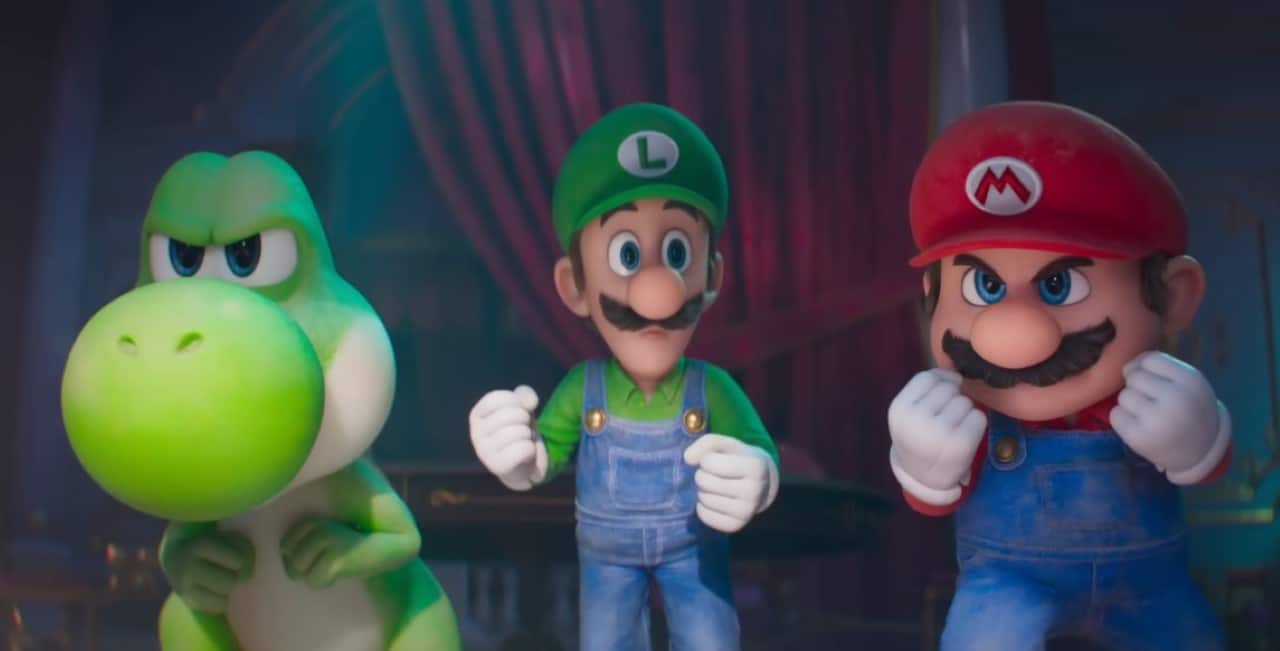
The universe of Super Mario, one of the greatest icons of the video game industry, is often associated with its most famous titles, such as *Super Mario Bros.*, *Super Mario 64* and *Super Mario Odyssey*. However, the vastness of the Nintendo franchise hides a myriad of lesser-known gems, which, despite being innovative and fun, often don’t receive the same attention as their more famous brothers. Essa Hidden Wealth reveals Nintendo’s constant experimentation and the creativity of its developers over the decades, pushing the boundaries of what a Mario game could be.
For many fans and casual players, the image of Mario is all about jumping on goombas and rescuing Princesa Peach in colorful realms. Contudo, going beyond this surface reveals a tapestry of narratives and mechanics that defied convention and paved the way for diverse genres and styles of play. Esses Underrated titles offer a unique perspective on the evolution of the series and the genius behind its design.
Exploring these alternative games not only provides new experiences for enthusiasts, but also demonstrates the depth and versatility of a character that has transcended generations. As we dive into the less lit corners of the Mario library, we discover that the mustachioed plumber and his friends have embarked on adventures that go far beyond traditional platforms, proving that innovation has always been a fundamental pillar of the brand.
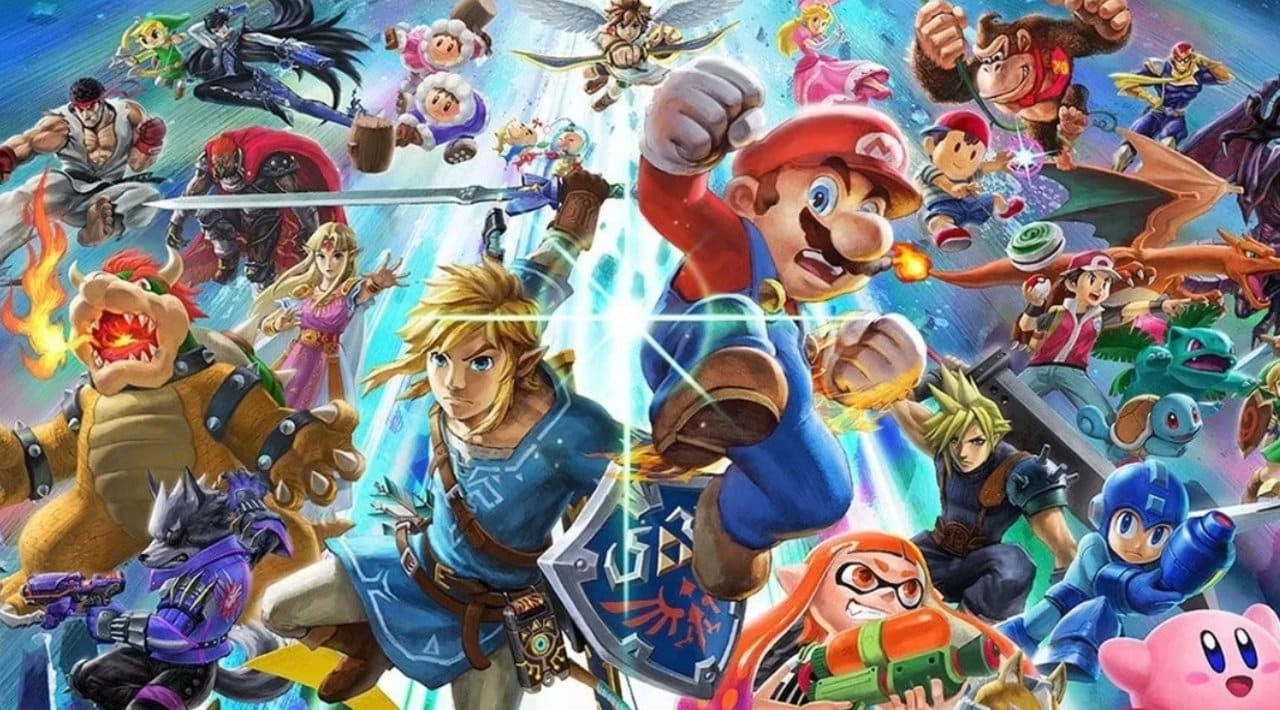
Beyond the Mushroom Kingdoms: The Franchise’s Hidden Diversity
Nintendo, since its beginnings, has always demonstrated a remarkable willingness to innovate and experiment with its most valuable intellectual properties. Essa approach was not just limited to Mario’s main titles, but extended to several spin-offs and games that explored completely different genres, such as RPGs, puzzles, and even fighting games. Essa strategy allowed the company to test new ideas and attract different audiences, consolidating the versatility of its characters.
Revisiting these underrated classics today offers a unique opportunity to understand the evolution of game design and how Nintendo has influenced the industry. Muitos of these titles introduced mechanics that would become standard in future games or that defined entire subgenres, even if they weren’t directly recognized as part of Super Mario’s mainline. It’s a journey that reveals the creative audacity behind the gaming empire.
Nintendo’s creativity manifested itself in surprising ways, transforming Mario and his companions into characters adaptable to any challenge. Seja controlling Yoshi on a journey to protect baby Mario or unraveling mysteries in a paper world, these games prove that developers’ imagination had no limits, offering rich and memorable experiences that deserve to be rediscovered by a new generation of players and enjoyed by veterans.
The peculiar charm of “Super Mario RPG: legend of the seven stars”
Released in 1996 for the Super Nintendo Entertainment System (SNES), *Super Mario RPG: Legend of the Seven Stars* marked Mario’s first foray into the RPG genre. Desenvolvido in collaboration with Square Enix, then known as Square, the game combined the vibrant world of Mario with classic RPG elements, featuring an innovative turn-based combat system that required player interaction to maximize damage and defense.
This title stood out not only for its unique gameplay, but also for its engaging narrative and captivating humor. Mario joined new allies, such as Mallow and Geno, as well as old rivals such as Bowser and Peach, to face a new villain, Smithy. The paradigm shift by placing Bowser as a Team member Mario was one of the many details that made this game a milestone, influencing future RPG titles in the franchise, such as the *Paper Mario* and *Mario & Luigi* series.
Yoshi’s island: the 2D masterpiece that redefined visuals
Originally titled *Super Mario World 2: Yoshi’s Island*, this 1995 SNES game is often praised for its unique art style, which simulated crayon drawings, and its innovative gameplay. Nele, players control Yoshi, who must protect baby Mario from Kamek and his troop from Koopas, using the ability to swallow enemies and throw eggs. The flight mechanics and “life bar” system based on Mario’s cry added layers of depth.
Although it carries the name “Super Mario World 2”, *Yoshi’s Island* is, in essence, a game starring Yoshi, who became an even more beloved character after this adventure. Sua complexity of design and the challenges of collecting all the items in each level have established it as a cult classic, often overshadowed by Mario’s 3D platformer titles, but revered for its originality and timeless graphics that still impress today. The attention to detail in each enemy and scenario demonstrates the exceptional care of the development team.
Wario land: super Mario land 3 and the rise of an antihero
In 1994, Game Boy received *Wario Land: Super Mario Land 3*, a game that established Wario, Mario’s arch-nemesis, as a charismatic protagonist. Diferentemente of Mario’s games, which focused on agility and precise jumps, *Wario Land* placed brute strength and the search for treasure at the center of the gameplay. Wario was heavier, could break blocks with his shoulder and used power-ups that transformed him, such as the bull or dragon helmet, to access new areas.
Wario’s transition from secondary villain to star of his own series was a bold and successful move by Nintendo. The game established a more irreverent tone and progression mechanic based on the accumulation of riches, which significantly differentiated it from the altruistic adventures of Mario. Cada stage hid multiple treasures, encouraging exploration and replayability, features that would become trademarks of the *Wario Land* series.
This approach focused on an “anti-hero” allowed Nintendo to explore themes and mechanics that would not fit Mario’s persona, enriching the universe of the franchise as a whole. The *Wario Land* series continued with several acclaimed titles, showing that the appetite for games with a different feel and a less conventional protagonist was great. Wario’s journey to become rich and famous has resonated with many players.
The “Mario & Luigi” and “Paper Mario” experiments
Nintendo continued to explore the RPG genre with the *Mario & Luigi* series, which began with *Superstar Saga* in 2003 for Game Boy Advance. Estes games stand out for their quirky humor, expressive characters, and a unique gameplay system. combat that integrated rhythm and timing actions of the two brothers, making battles more dynamic and interactive. Cooperation between Mario and Luigi was central to both exploration and confrontation, with unique abilities for each.
At the same time, the *Paper Mario* series, started in 2000 at Nintendo 64, presented a distinctive visual style, where characters and settings looked like paper cutouts. Combinando RPG elements with a charming narrative and clever puzzles, *Paper Mario* offered a unique experience that mixed turn-based combat with the exploration of a two-dimensional world in a three-dimensional environment. Ambos spin-offs demonstrate Nintendo’s ability to reinvent Mario in unexpected contexts.
Portable adventures and less explored titles
In addition to RPGs and platforms with Yoshi and Wario, the universe of Mario is full of other titles that, due to their nature or platform, ended up being less explored by the large mass of players. A notable example is *Mario’s Picross*, released for Game Boy in 1995. Este puzzle game challenged players to fill in grids based on numbers to reveal hidden images, making it an addictive and cerebral experience that was a complete departure from platforming.
Another classic that deserves mention is *Wrecking Crew*, from 1985 for the NES, where Mario, in his demolisher costume, needs to destroy structures and avoid enemies in puzzle and action phases. Apesar being one of Mario’s first games, its gameplay differs greatly from what one would expect from a main series title. Finally, *Donkey Kong ’94* for Game Boy, although starring Donkey Kong, is a brilliant reimagining of the original arcade game, with Mario as the protagonist, introducing puzzle elements and significantly expanding the platform gameplay, making it one of the most creative titles on the handheld.
The persistence of legacy and the value of rediscovery
Super Mario’s rediscovery of these lesser-known games is more than a simple nostalgia trip; It is an opportunity to deepen understanding of the evolution and diversity of the franchise. Eles are testaments to Nintendo’s ceaseless creativity and its developers’ ability to transcend genres and expectations.
* Understanding the evolution of game design:Cada title offers a window into the trends and innovations of its time.
* Appreciation of Nintendo’s creativity:The boldness in experimenting with characters and mechanics is evident in each of these games.
* Discovering new gaming experiences:Para many, revisiting or discovering these games can reveal a new facet of the universe Mario that they never imagined existed.
The tapestry of Super Mario is much richer and more complex than just his biggest chartbusters. The obscure and underrated games are the true gems that demonstrate the breadth of Nintendo’s vision and its creators’ ability to infuse magic into each project.
Exploring these titles is an invitation for gamers of all ages to look beyond the obvious and delve into experiences that, while not always in the spotlight, have contributed immensely to the lasting legacy of one of the most beloved franchises in video game history. It’s proof that innovation and diversity have always been present at the heart of Reino, waiting to be rediscovered and celebrated by those willing to look.