
Apollo 1 Disasters Reveal the Extreme Dangers of Space Exploration and Safety Failures

The successful return of mission Artemis II to Terra this Friday, April 10, 2026, consolidated an important milestone for contemporary lunar exploration. Após ten days in space and transporting four astronauts to the furthest point ever reached by humanity, the agency celebrates operational success. Entretanto, the institution’s history is also marked by fatal episodes that exposed critical vulnerabilities in engineering and security management. Essas tragedies resulted in profound revisions to flight protocols and the organizational culture of North American space exploration.
The trajectory of achievements, which began with the landing at Lua in 1969 by Apollo 11, coexists with the memory of three major disasters that momentarily interrupted scientific advancement. The fire at Apollo 1, the explosion of Challenger and the disintegration of Columbia are the pillars of this historical reflection on the risks of the race out of Earth’s orbit. Cada event brought to light problems ranging from failures in specific components to political pressure for accelerated schedules. Detailed analysis of these events remains essential to ensure that new generations of explorers do not repeat the mistakes of the past.
- Mission Artemis II returned successfully after ten days of intense space flight.
- Three of the agency’s historic missions ended in human losses and material destruction.
- Current safety protocols are the direct result of investigations into previous disasters.
- Risk management has evolved from ground testing to advanced artificial intelligence simulations.
Fire at Apollo 1 during soil testing at Flórida
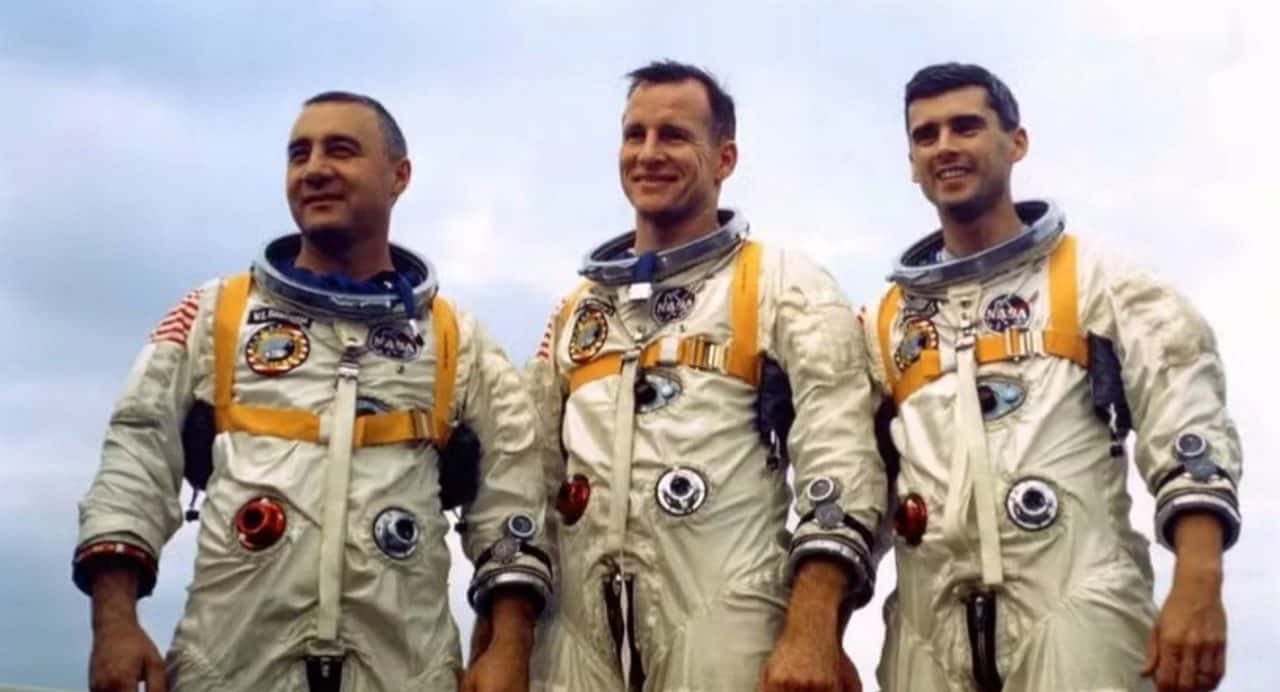
The first major disaster that shaped the agency’s safety occurred on January 27, 1967, during a routine rehearsal on Cabo Canaveral. Mission Apollo 1 never even took off, as a sudden fire engulfed the command module while the astronauts were performing pre-launch tests. Gus Grissom, Ed White and Roger Chaffee lost their lives in a matter of seconds due to a combination of electrical failures and a lethal atmospheric environment. The cabin was pressurized with pure oxygen, which turned any small spark into an uncontrollable, explosive fire.
Further investigation revealed that the crew had previously expressed concerns about the capsule’s poor wiring and communications system. Grissom even publicly questioned the feasibility of reaching Lua without being able to establish efficient communication between neighboring buildings on the base. At the time of the accident, internal pressure prevented the hatch, which opened inward, from being removed by the astronauts or the rescue team. Este event forced the agency to completely redesign the ships’ internal materials and change the gas mixture in the cabins.
Challenges in institutional security engineering and culture
Managing space projects requires a delicate balance between technological innovation and preserving human life in hostile environments. Especialistas point out that the rush to reach political milestones during Guerra Fria often overcame warnings issued by base engineers. Essa dynamics was observed not only in the 1960s, but also in subsequent accidents involving the space shuttle in the 80s and 2000s. Transparency in internal communication has since become a mandatory requirement for any orbital launch operation.
With each new mission, the analysis of meteorological and structural data undergoes rigorous screening that did not exist in past decades. The use of new non-flammable materials and emergency ejection or escape systems were drastically improved following the reports of the commissions of inquiry. Atualmente, the success of Artemis II is seen as a testimony to this evolution, where system redundancy is the main rule. The safety of astronauts today depends on a technological infrastructure that learned from the ashes of failed missions in the last century.
Explosion of Challenger and failure of sealing rings
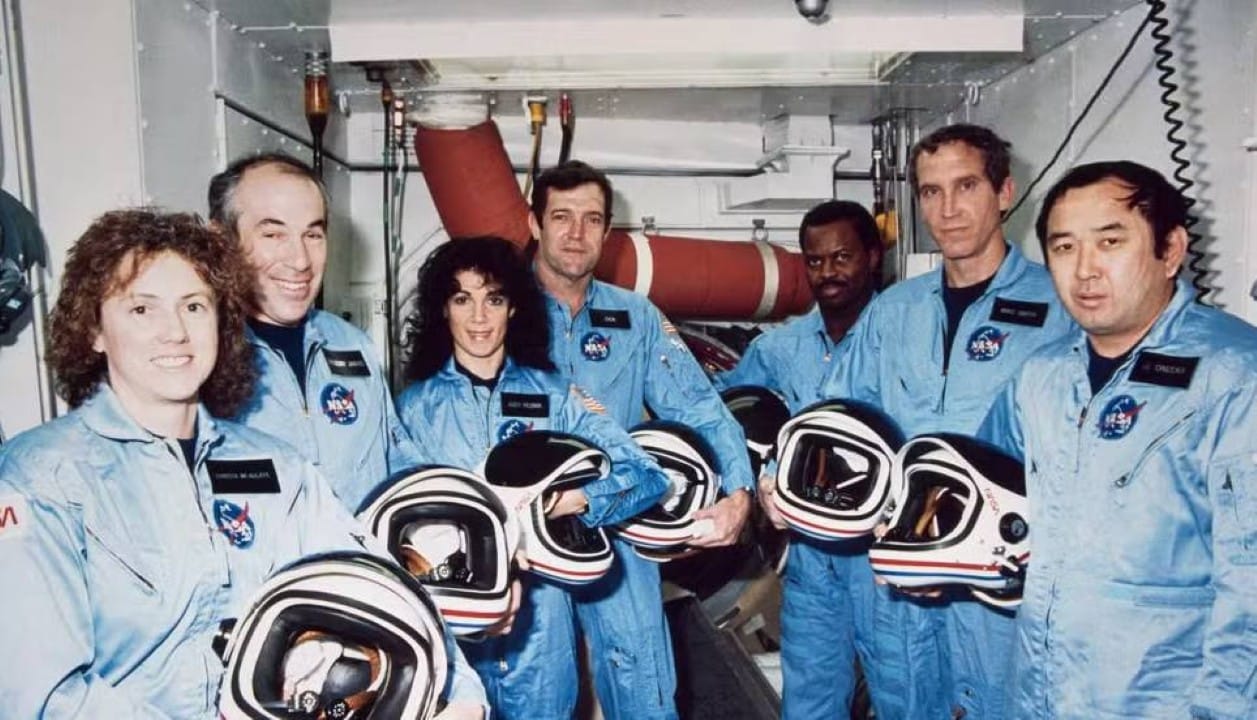
On January 28, 1986, the world watched live as space shuttle Challenger exploded just 73 seconds after launch. The failure was attributed to a sealing ring that dried out due to low temperatures on the morning of the flight, allowing incandescent gases to leak. Todos The seven crew members died when the external fuel tank ruptured, resulting in a complete structural disintegration of the aircraft. Este disaster was a global shock, especially due to the presence of professor Christa McAuliffe, who would be the first civilian in space.
The tragedy of Challenger revealed that engineers at the company contracted to build the engines had warned about the risk of launches in cold climates. However, agency management chose to stick to the schedule, ignoring technical safety statistics to avoid delays to the space program. From this point on, the culture of silencing technical voices was severely combated within the government institution. The space shuttle program was on hold for nearly three years so that all joints and engines could be completely redesigned for different weather conditions.
Lessons learned from Challenger have changed the way flight directors make critical real-time decisions in control centers. The introduction of thermal sensors and high-resolution cameras during ascent has become mandatory to monitor any anomalies in external hardware. Mesmo With these measurements, the complexity of flying machines continued to challenge the limits of aerospace engineering in the following years. The quest for technical perfection has become an ongoing goal, although the space environment never ceases to be inherently dangerous to human biology.
Investigations by the North American Congresso into case Challenger led to the creation of new independent security and mission assurance departments. Esses bodies have the power to veto launches without the need for approval from the executive board, guaranteeing greater autonomy regarding technical criteria. The memory of the victims is preserved through monuments and crater names on other celestial bodies, serving as a constant reminder of the cost of exploration. Scientific education was also impacted, with the creation of educational centers that promote the study of physics and space engineering for young people.
Disintegration of Columbia during atmospheric re-entry
The Columbia disaster, which occurred on February 1, 2003, brought a new kind of concern to the safety of return space travel. Durante the launch, a piece of insulating foam came loose from the external tank and hit the left wing of the ship, piercing the thermal protection system. Ninguém realized the severity of the damage while the vehicle was in orbit, carrying out scientific experiments for 16 days. At the time of reentry, the extreme heat from friction with the atmosphere penetrated the damaged wing, causing the ship to disintegrate in the state of Texas.
The loss of the seven astronauts from Columbia marked the beginning of the end of the space shuttle era, which were permanently retired a few years later. The investigation concluded that although physical damage was the immediate cause, organizational failure to investigate the impact of the foam was the real reason. Desde So, all missions that visit Estação Espacial Internacional undergo a detailed visual inspection of their hulls before attempting to return to Terra. In-orbit repair technology has also been developed to deal with possible thermal damage caused by debris or micrometeorites.





