
New leaked images of the Sony Xperia 1 VIII reveal square camera module and screen with front hole

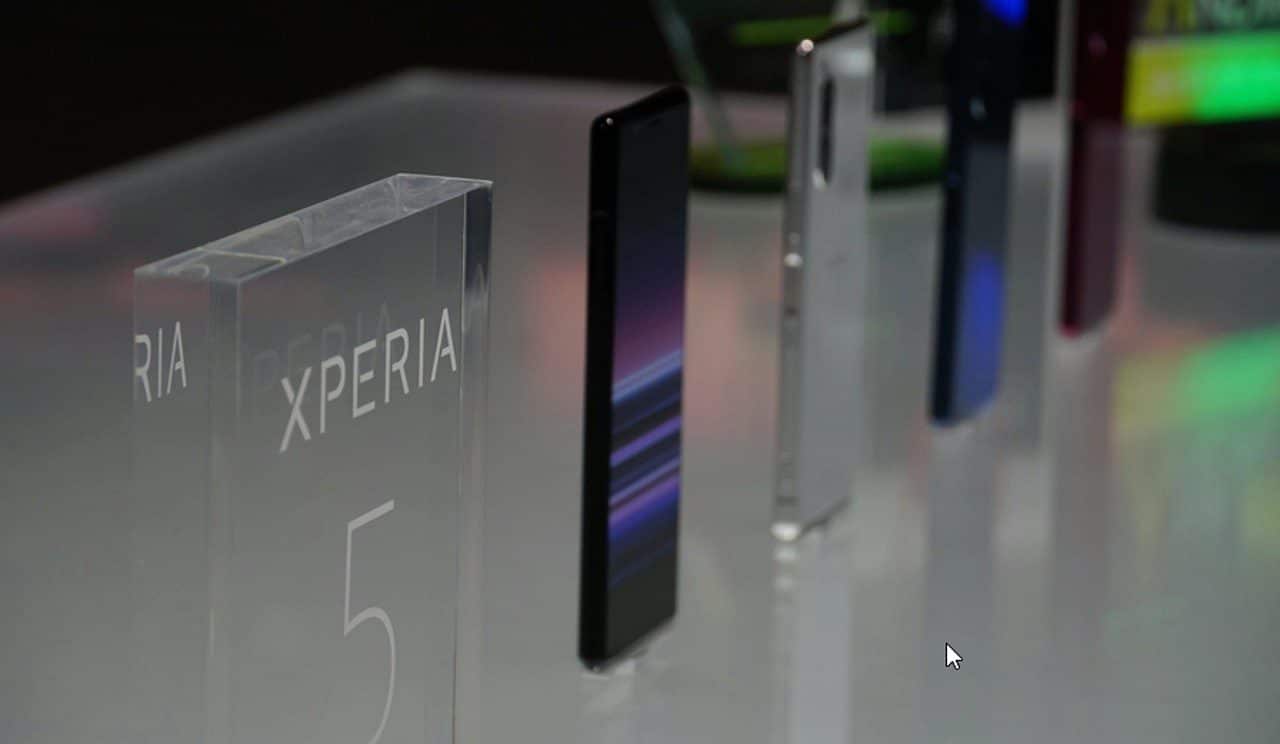
Recently leaked images reveal profound changes to the design of the Japanese manufacturer’s next high-end smartphone, the Sony Xperia 1 VIII. The material published on the internet points to the abandonment of the line’s historical visual characteristics, replaced by more common elements in the current mobile device industry. The most notable change occurs in the rear camera module, which leaves the vertical pill shape to adopt a square block positioned in the upper left corner. On the front, the device replaces the traditional top and bottom edges with a circular cutout on the screen itself to house the selfie lens. Essa aesthetic restructuring indicates an attempt by the company to align its product with the visual standards adopted by other major brands in the technology sector. The leak occurs at a time of expectation about the company’s next steps in the mobile telephony segment.
Changes to the front structure and display format
The company’s line of smartphones has always stood out for its use of a 21:9 screen ratio, a more elongated and narrow format that favors the viewing of films without black bands and facilitates handling with just one hand. The new renderings indicate that the Sony Xperia 1 VIII will adopt a wider aspect ratio, approaching the standard used by most competitors in the global market. Essa structural change directly affects the ergonomics of the device and the way users interact with the operating system on a daily basis. The change suggests an adaptation to the general preferences of consumers, who currently consume a greater variety of media formats on social networks.
Sony Xperia 1 VIIIからインスピレーションを得たようです 😅pic.twitter.com/h3MbxJc92K
— テック・アルティメイタム (@TechieUltimatum)2026年4月2日
Another significant change to the front of the device involves the elimination of the symmetrical frames that housed the stereo speakers and the front camera in previous generations. The new model adopts the screen perforation system, known commercially as punch-hole, maximizing the panel’s useful display area. The transition to this format requires a repositioning of the internal audio components and brightness sensors, which previously occupied the space on the top edge. The change gives a more contemporary look to the front panel, reducing the immediate visual distinction that the brand maintained in relation to other high-cost devices.
The decision to remove the thick edges also impacts the construction of the front stereo sound system, a feature praised by users of past versions. The manufacturer’s engineers will need to implement alternative acoustic design solutions to maintain audio quality without the previously dedicated physical space. The mobile device market is closely monitoring how the company will solve this technical challenge, as sound quality has always been one of the sales pillars of the product line.
Reconfiguration of the rear photographic system
The rear of the Sony Xperia 1 VIII presents the most drastic break with the visual identity consolidated by the brand in recent years. The camera module, which historically organized the lenses in a vertical row centered or offset to the left, now takes on a wider and more prominent rectangular shape. Esse new photographic block houses the set of sensors in a grouped manner, a design solution widely used by other premium smartphone manufacturers. The change in the internal layout suggests the use of larger optical components, which require a different spatial distribution on the phone’s main board.
The main optical set continues to focus on offering advanced tools for photography and video recording, maintaining the company’s tradition in the audiovisual segment. The leaked images make it possible to identify the presence of multiple lenses and auxiliary sensors designed for different capture scenarios. The arrangement of elements in the new square module indicates an optimization of space to accommodate improved stabilization and focusing technologies.
- Main lens with high-resolution sensor for captures in low-light environments.
- Ultra wide-angle camera intended for landscape and architectural photography.
- Telephoto lens with optical zoom capability without loss of image quality.
- LED flash system integrated into the block for lighting night scenes.
- Auxiliary depth sensor for three-dimensional mapping and fast autofocus.
The inclusion of a possible time-of-flight sensor or similar spatial mapping technology reinforces the device’s focus on augmented reality applications and photographic precision. The restructuring of the module also raises questions about the weight and balance of the device in the user’s hands, critical factors for professionals who use smartphones as a daily work tool. The manufacturer seeks to balance the delivery of cutting-edge hardware with a design that does not compromise prolonged usability.
Preservation of physical connections and dedicated buttons
Despite the visual changes that bring the device closer to current trends, the Sony Xperia 1 VIII maintains physical characteristics that are rare in the high-end telephone market. The presence of a 3.5 mm input for wired headphones is one of the main differences preserved in the new project. Essa connection directly caters to audiophiles, musicians and content creators who rely on analog audio equipment without the latency characteristic of wireless connections. Maintaining this port requires considerable engineering effort, given the internal space limited by the new camera and battery components.
The physical button dedicated to shooting the camera remains on the right side of the chassis, maintaining the two-stage functionality present in professional photographic equipment. The user can press the button halfway to lock focus and exposure, and press it all the way down to record the image. Esse touch feature offers more precise control when capturing photos and videos, especially in situations where touching the screen becomes impractical, such as when using gloves or underwater. The texture of the button also usually receives a different treatment to make it easier to locate by touch.
Biometric security remains integrated into the side power button, rejecting the industry trend of embedding the fingerprint reader under the screen. Essa design choice prioritizes unlocking speed and reliability, allowing the user to access the system at the exact moment they pick up the device. The side of the device should also house the traditional volume controls, maintaining a familiar layout for the brand’s long-time consumers. The drawer for SIM cards and memory expansion via microSD is another expected feature that resists the elimination of physical ports.
Commercial strategy and launch expectations
The redesign of the Sony Xperia 1 VIII reflects a change in the manufacturer’s commercial strategy, which seeks to expand its customer base beyond the niche of audiovisual professionals. By adopting more conventional visual elements, such as the screen with a hole and the square camera module, the company tries to reduce the barrier of entry for consumers accustomed to devices from other brands. The challenge is to make this aesthetic transition without alienating loyal users who value the unique identity and exclusive features offered by previous generations.
The emergence of detailed renderings often indicates that product development has reached advanced stages, with the final design already set for mass production. The technology market awaits the company’s official announcement to confirm the technical processing specifications, battery capacity and new software features that will accompany the hardware. The formal presentation of the device should clarify how the manufacturer will position the device in terms of price and global availability, facing direct competition from the year’s main launches in the premium smartphone sector.





